

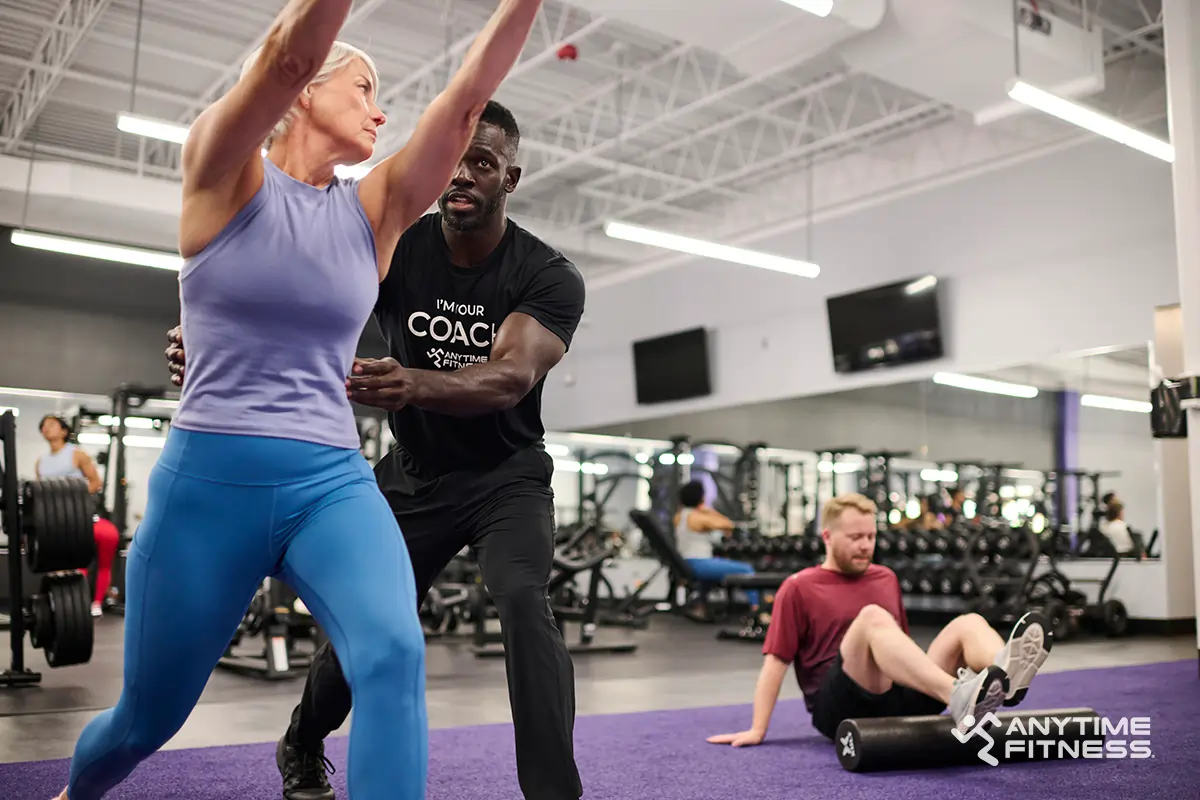
As we age, we naturally lose muscle mass, bone density and some of the reflexes that help us stay stable. This isn't a personal failure — it's a normal biological process.
But the good news is that it doesn't have to slow us down. Strength and balance exercises can not only help slow, but potentially even reverse these changes, helping you maintain your health, independence and confidence in daily life.
We’ll cover:
- How strength and balance training can help slow or reverse age-related muscle loss, bone density decline and stability issues
- The Big Five movement patterns of strength training that improve balance for older adults
- Eight beginner-friendly exercises that target both strength building and fall prevention
- How seniors can safely incorporate strength and balance training into their daily lifestyle
- The long-term benefits of strength and balance training for seniors
Why strength and balance exercises matters as you age
Strength training supports bone health, joint stability and posture. When you build strength, you're not just working out — you're investing in your longevity, safety, and independence. Climbing stairs, carrying groceries, getting up from a chair, or catching yourself if you trip becomes more difficult and riskier with age.
These daily activities, however, become safer and more manageable with consistent training. Muscle strength provides better support for your body, protects your joints and reduces the risk of injury.
What is a balance exercise?
Simply put: Balance exercise combines strength training with stability challenges to build muscle strength and coordination. These movements train your body to improve balance, keeping daily activities seamless and pain-free.
How balance training reduces fall risk
Balancing exercises help reduce the risk of falls — one of the biggest threats to independence as we age. Since balance naturally declines with age, targeted training becomes essential.
Research supports that strength training and balance exercises can reduce your risk of falling significantly. Each session not only targets muscle strength but also teaches your body to move with greater stability.
Signs it might be time to focus on stability
While it’s never too early to get started, some common signs that you need to improve balance are:
- Feeling less steady on your feet
- Needing to use your hands to stand up from a chair
- Avoiding stairs altogether
- Increased fear of falling
- Stiffness or joint discomfort that limits movement
- Reduced confidence moving quickly or changing direction
- An existing injury
Being honest with yourself and addressing these telltale indicators early on means you can take action with strength work and balancing exercises before small issues become bigger ones.
What are the Big Five strength exercises?
For older adults, focusing on the "Big Five" is not about lifting heavy weights — it’s about focusing on our balance and stability by recreating movement patterns we use every day, such as:
Squats
These will help you sit down and stand up with ease.
Hinges
Hinges mimic actions like bending to pick things up, such as groceries or laundry.
Pushes
This is a highly effective exercise that will help you push doors open or get up from the floor.
Pulls
These will help you pull objects toward you and improve posture.
Carries
Carries help with holding and moving weight overall, while staying upright and balanced.
Together, these movements can help build strength, joint stability and improve balance — nonnegotiables for aging well. What’s more, they can be modified to match any fitness level, making them accessible whether you're just starting or already active.
8 safe and effective balance exercises for aging (ideal for seniors)
You might be wondering: What is the best exercise to improve balance? Examples of great balance exercises for seniors translate directly to regular daily activities, making them functional and effective.
However, the "best" exercise is ultimately the one you'll do consistently, activating your balance systems and building strength.
For example, these exercises incorporate the “Big Five” and can progress over time as your capability improves:
Supported single-leg stand
Why: This movement improves ankle stability and will improve balance by training your body to make constant adjustments.
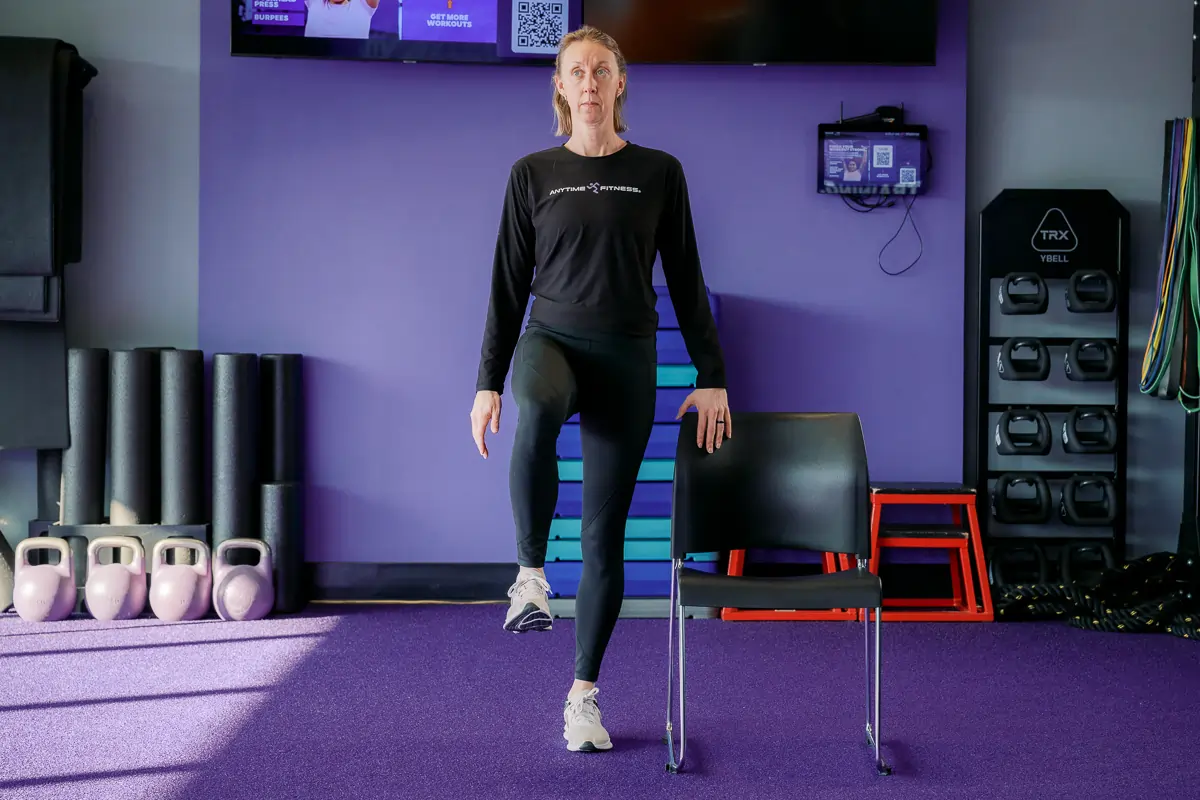
How to:
- Stand near a chair or wall for support.
- Lift one foot slightly off the ground.
- Hold the position for 15 to 30 seconds.
- Switch sides and repeat.
- Perform two to three rounds on each leg.
Heel-to-toe walk
Why: This exercise improves balance, coordination and gait while challenging your dynamic stability.
.gif)
How to:
- Stand tall with arms at your sides.
- Place your right heel directly in front of your left toes.
- Step forward, placing your left heel directly in front of your right toes.
- Continue for ten to 20 steps in a straight line.
- Perform two to three passes.
Toe raises
Why: Toe raises increase the muscle strength along the front of your lower leg and help reduce the risk of tripping.
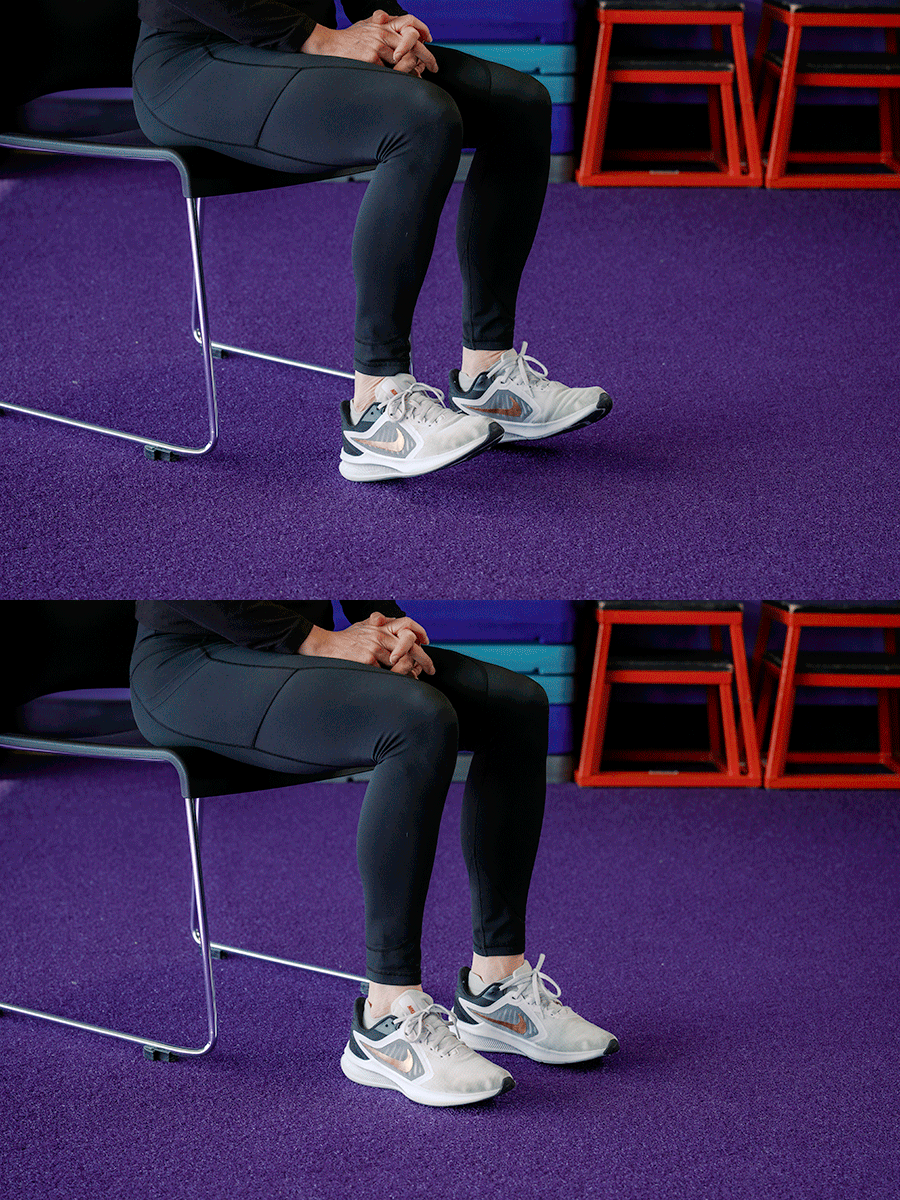
How to:
- Stand behind a chair, holding it for support (or remain seated).
- Slowly lift your toes while keeping your heels on the ground.
- Hold for two to three seconds at the top.
- Lower your toes with control.
- Complete two to three sets of 10 to 15 reps.
Sideways walking (lateral walking)
Why: Sideways walking strengthens your hips and outer thighs while improving lateral stability.
.gif)
How to:
- Stand tall with knees slightly bent.
- Step to your right with your right foot.
- Bring your left foot in to meet it.
- Continue stepping sideways for eight to 12 steps.
- Reverse direction and repeat.
- Perform two to three rounds in each direction.
Sit-to-stand (chair squat)
Why: Chair exercises safely strengthen your legs and hips and help improve balance.
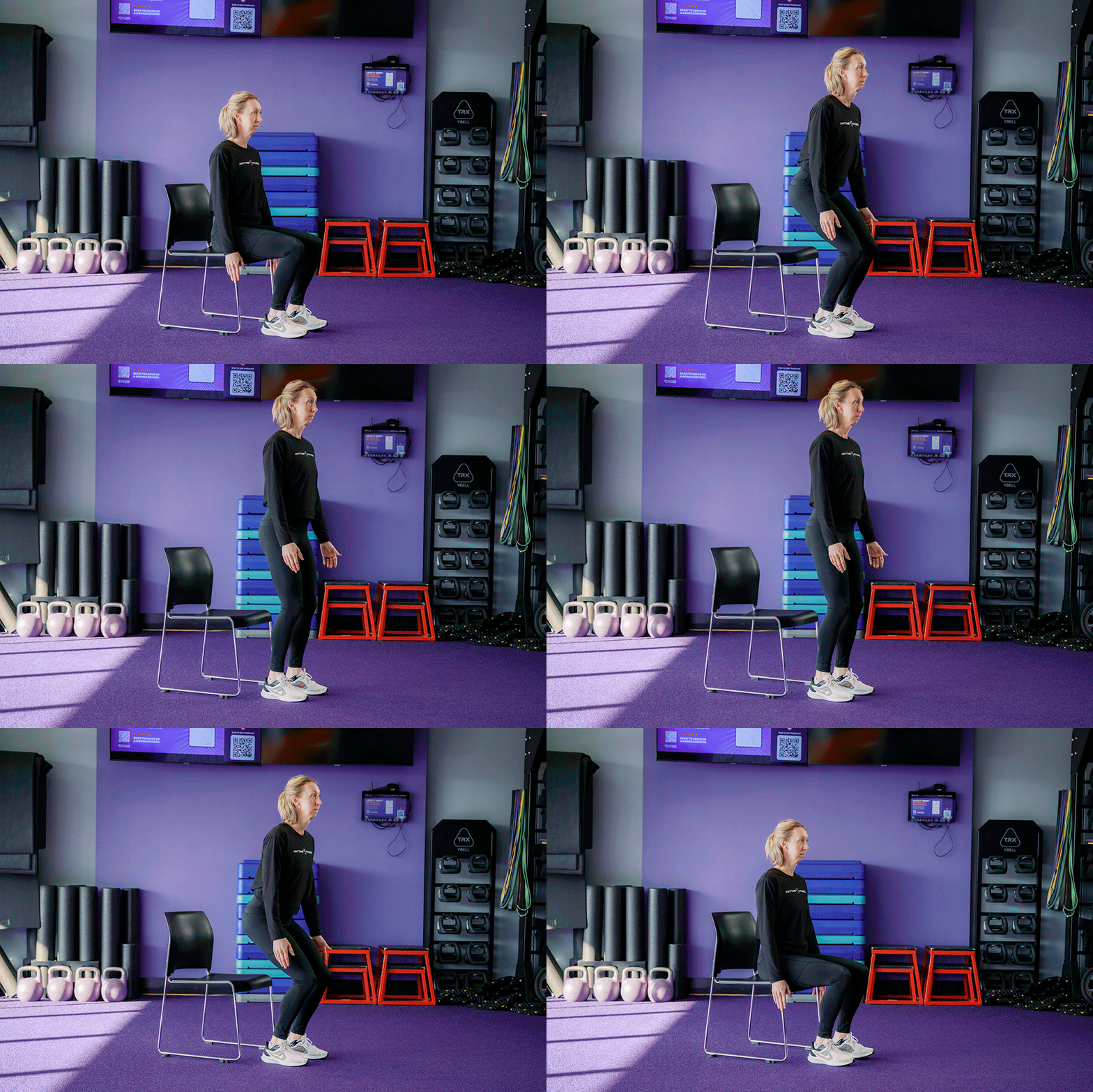
How to:
- Sit tall on a sturdy chair with feet hip-width apart.
- Lean forward slightly and engage your core.
- Press through your heels to stand up.
- Slowly lower yourself back down with control.
- Complete two to three sets of eight to 12 reps.
Note: You may gently rest your hands on a wall for support if you need help with balance at first.
Step-back leg lunges
Why: Step-back lunges build strength while mimicking stepping and stair movements, making them highly transferable to real-world activities.
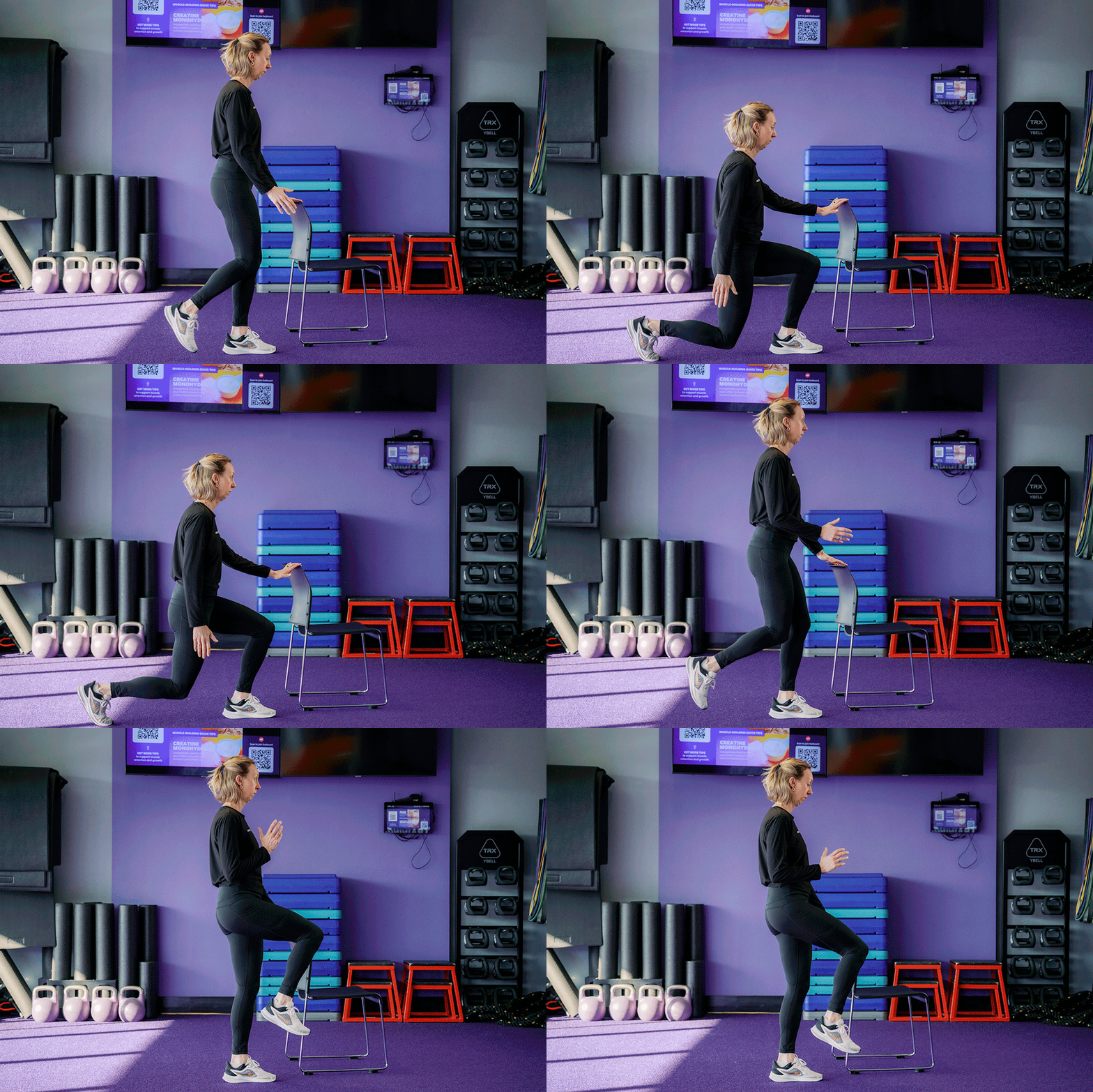
How to:
- Stand tall with feet hip-width apart (use a chair for support if needed).
- Step your right foot back gently.
- Lower your body with control, keeping your front knee over your ankle.
- Press through your front heel to return to standing.
- Complete six to 10 reps, then switch sides.
- Perform two to three sets per side.
Standing row
Why: This pulling movement improves balance and posture and strengthens your upper back and arms.
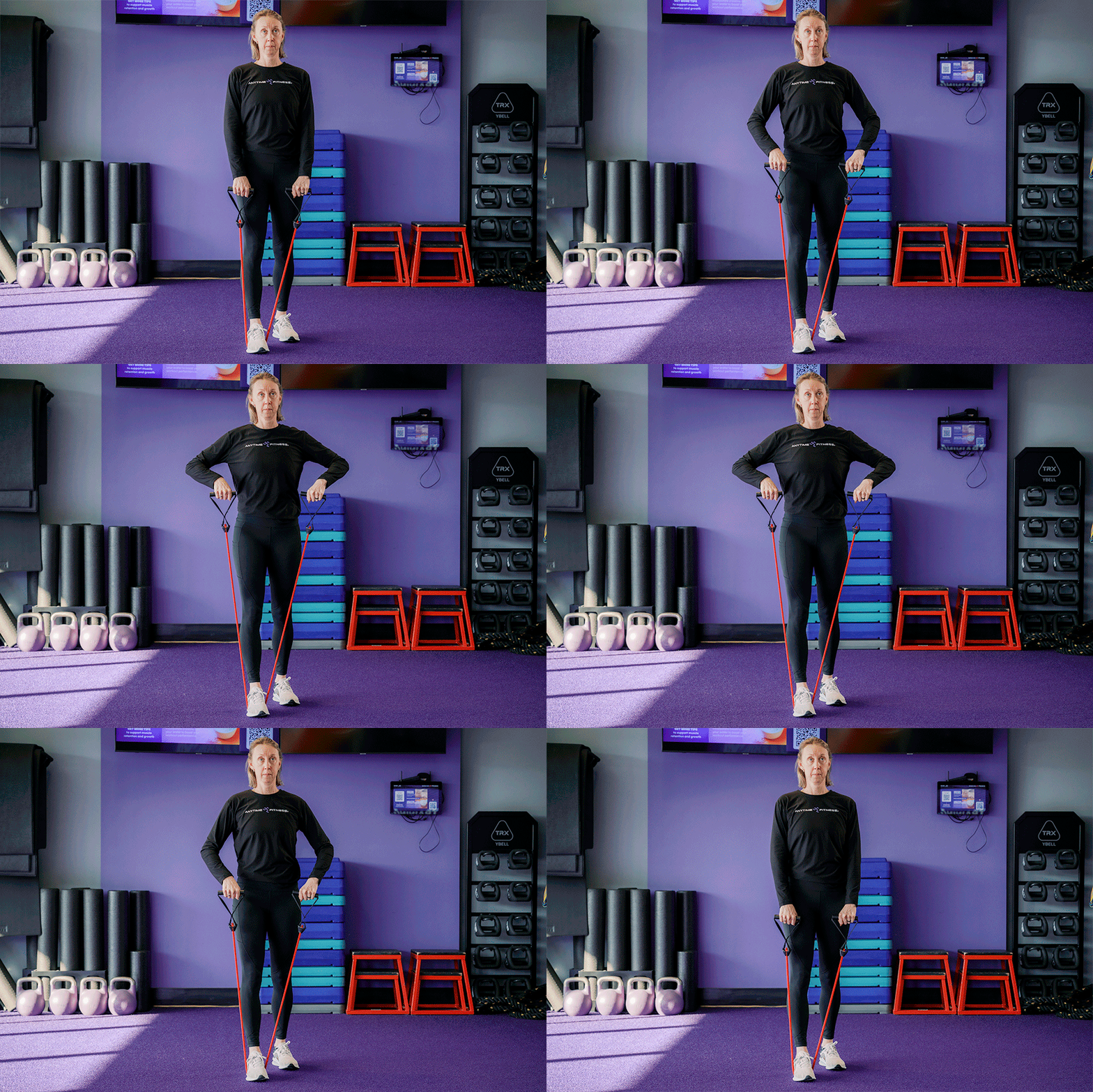
How to:
- Secure a resistance band at chest height or hold cable handles.
- Stand tall with feet shoulder-width apart.
- Pull the handles toward your ribs.
- Squeeze your shoulder blades together at the end.
- Slowly release back to the starting position.
- Complete two to three sets of 10 to 12 reps.
Farmer carry
Why: The farmer carry improves balance, grip strength, and posture simultaneously.
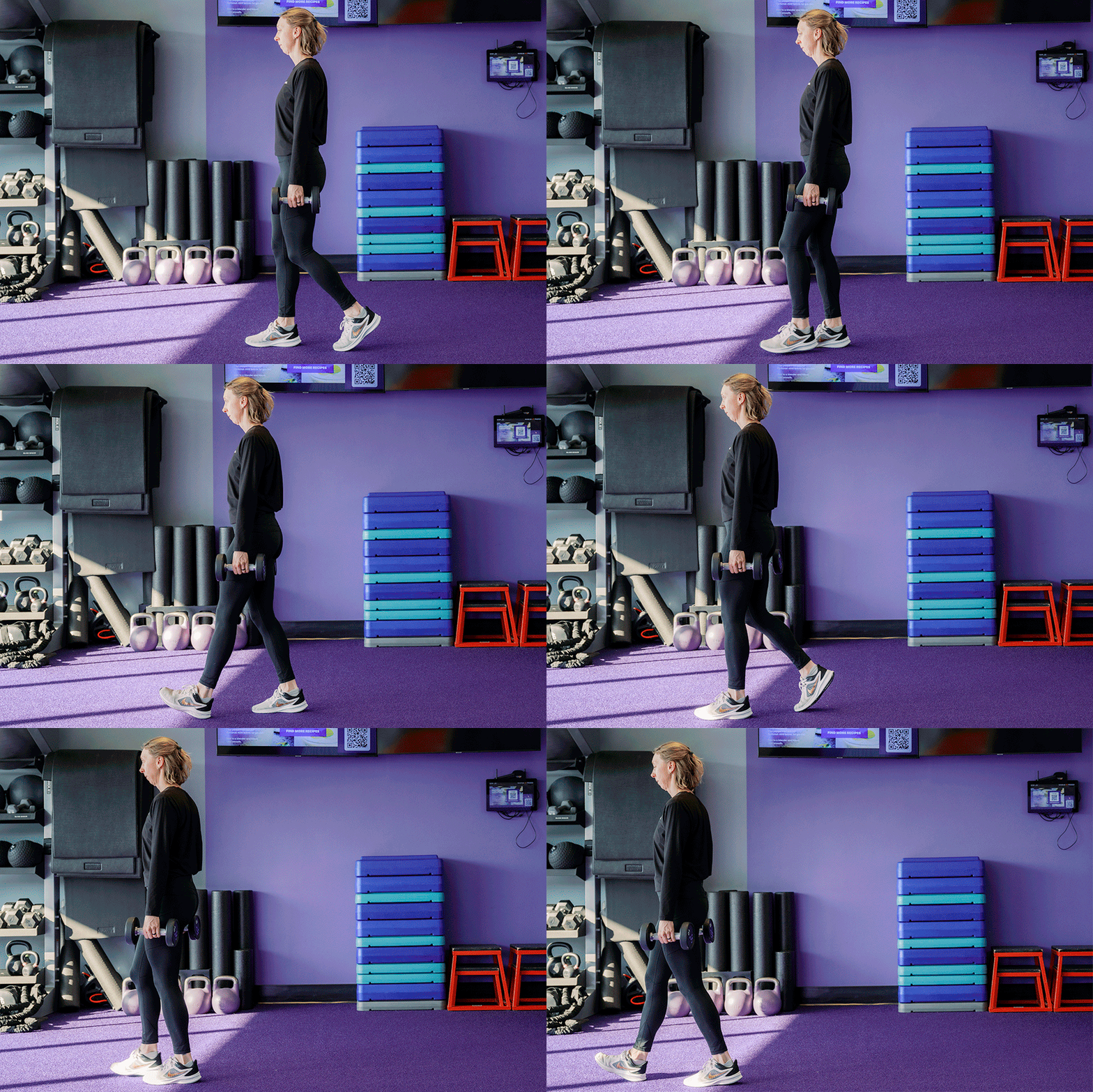
How to:
- Hold light dumbbells (or another slightly heavy object like a full water bottle) at your sides with arms straight.
- Stand tall with your shoulders back.
- Walk forward slowly while maintaining good posture.
- Keep your core engaged throughout.
- Continue for 20 to 40 seconds.
- Perform two to three rounds.
Note: If needed, start by holding weight in only one hand, alternating each hand for two to four rounds.
With proper form and consistency, these balance exercises provide a combination of ease, safety and effectiveness. With the right schedule, you can find a training program that works for you to not only gain stability and confidence but also reduce the fear of falling.
How to create your weekly training schedule
An important rule for creating your training schedule? Consistency over intensity. For most older adults, we recommend aiming for the following:
- Strength exercises two to three days per week
- Balance exercises two to five days per week
Note that balance training is often built into your muscle strength sessions, so you can target both without needing separate workouts. A typical session overall:
- Lasts 20 to 30 minutes
- Includes three to four strength exercises
- Follows with two to three balance exercises
Pro tip: The Anytime Fitness App can also help you create your own workout schedule.
Safety considerations and personalized support
Always practice near a wall or sturdy furniture that can provide support if needed. Wear supportive footwear with good tread, or work barefoot on non-slip surfaces. It’s also important to listen to your body and stop balancing exercises immediately if you experience pain or dizziness.
You can meet with a Coach at your local Anytime Fitness to get personalized support that helps you build strength, safely, and more effectively. A Coach assesses your current strength, balance, and mobility, then modifies exercises to meet your individual needs. You can work together to progress movements safely over time and build your confidence through education and accountability.
When will I start to see results?
With the right schedule and proper form, many people notice:
- Improved confidence and coordination within two to three weeks
- Strength gains within four to six weeks
- Balance and stability improvements within six to eight weeks
This progress shows up in daily life, when walking up stairs feels easier, overall movements feel smoother and the fear of falling decreases.
Strength and balance exercises: Long-term benefits that pay off daily
Once you find a plan that works for you, strength training and balance exercises will deliver benefits beyond stability improvement. As you build strength, you'll also begin to notice enhanced posture, reduced joint pain and increased confidence in daily activities.
Most importantly, strength and balance exercises help people maintain their health and independence as they age. This integrated approach to health and longevity represents one of the most valuable investments you can make in your long-term well-being.
More longevity tips for you
- Menopause Exercises and Tips for Fitness Through Every Stage
- Must-Have Longevity Tips for a Better, More Active Life
- Losing Weight After 50: Let’s Talk About It!
- Add These Anti-Aging Foods to Your List for Longevity & Vitality
- Mobility Stretches You Can Do in 15 Minutes to Build Longevity
Ready to build a stronger foundation? See how a Coach at Anytime Fitness can help you improve strength and balance, prevent injury, and most of all, maintain the independence that matters most to you.