



Let’s get real: Whether you’re going through menopause or aren’t there yet, getting older can bring major changes to women’s lives — and not always ones we’ve asked for. So, if your holy-grail gym routine no longer leads to the same results they once did, you’re not alone!
Many women aged 40 and beyond face similar issues. Here’s the good news: We have solutions to help you feel confident and strong in your body, and see results over time.
Interested? You’re in the right place! In this blog, we’ll answer questions like:
- Can you still build muscle after menopause?
- What are the health benefits of strength training for women over 40?
- How often should women in their 40s lift weights?
- How long does it take to build muscle after 40?
- What’s the ideal protein intake for strength training?
Strength training is especially important for women after 40
All ages and genders can benefit from strength training, but for women over 40, there’s even more to gain. Building muscle during this time goes beyond strengthening the body — it’s also essential for managing the effects of pesky hormonal changes (think: weight gain and a slower metabolism).
As adults age, it’s normal to lose muscle strength over time — a condition known as sarcopenia. The changes caused by menopausal hormones in women have been shown to increase bone loss and loss of lean mass at a faster rate, due to a decline in estrogen and testosterone.
For women over 40, this can lead to a loss of muscle mass and bone density. Because women tend to have small bones than men, this can also cause a higher likelihood of bone weakness.
While this data means women may have more to watch out for with bone and muscle health, it also means we can take steps to care for ourselves by being physically active and eating a healthy diet. They’re simple but crucial (and proven!) ways to reduce your odds of the symptoms above — and strength training can be an incredibly effective strategy for feeling your best now and staying healthy well into the future to support longevity.
Strength training, proper nutrition, and recovery (with plenty of restful sleep and guilt-free rest) are all key ingredients for a better, more active future, with the potential for life-changing results.
Here are a few powerful benefits of strength training to consider:
- Helps combat age-related muscle loss (aka sarcopenia)
- Improves bone density to reduce the risk of osteoporosis
- Boots metabolism health
- Helps with weight management
- Lowers the risk of type 2 diabetes and CVD
- Improves joint stability
- Helps boost mood and relieve stress
- Helps improve sleep quality
While life gets busy and sticking to a routine can be easier said than done, building consistency will allow strength training (and any type of exercise) to be the most effective for your overall health and longevity. Throughout your strength training journey, these benefits can serve as reminders for why you started, while giving you the motivation to keep going.
Can you still build muscle after menopause?
Not only is it possible to build muscle after menopause, but it’s also encouraged! Whether you’re currently going through menopause or are post-menopausal, you can build muscle over time — the routine that gets you there just might look different from before.
While menopause can lead to a decrease in limb strength and flexibility in some cases, physical activity can help with this, including heavy strength training, low-impact body weight, and resistance band exercises. Movement and strength training are an essential part of a successful muscle-building strategy, along with nutritional supplements like creatine, and adequate recovery.
We’ll dive into each of these below, as well as their roles in supporting and maintaining muscle growth. Stay with us!
How long does it take to build muscle after 40?
While it may take a while to see changes in your body, women over 40 can typically expect to build muscle within a few months of doing strength training exercises consistently.
Resistance training proactively builds more resilient muscle fibers. This process causes microtears, which occur when muscle fibers are overloaded and rupture under force. In response, your body builds those muscles back stronger and larger. (This is where that recovery piece comes in — ample recovery time can help speed up the process for ideal results).
Don’t just take our word for it — data based on 26 studies of women who were post-menopausal shows that strength training consistently led to muscle mass gains for those between the ages of 50 and 80.
So, how did they achieve this? Based on the individual studies within the report, the average was three workouts per week with an average study duration of 16 weeks. Typically, participants completed three sessions per week with 7.5 exercises on average, and between nine and 16 repetitions per set.
This means that it doesn’t take more than a season or two of consistent strength training to see improvements in muscle mass. You’ve got this!
Ready to get started? Try this workout structure for menopause!
Let’s put the principles of strength training into practice. Before we get started, keep in mind that the goal is to lift heavy enough to send the growth signal to your muscles. So, don’t be afraid to challenge yourself (safely and within reason).
Make sure you’re also practicing flexibility and mobility drills in your warm-ups and cooldowns, as well as foam rolling for recovery to help prevent injury.
Here’s how to structure your workouts to build maximal strength:
- Low reps: about 1–5
- High sets: about 4–6 sets
- For high intensity training, lift weights that are 85-100% your 1RM (1 rep max).
When lifting heavy weights, don’t overlook proper form. Using proper technique and precision will help you get the most benefits from your efforts and reduce the risk of injury during exercise.
Pro-tips:
- If you can’t do six reps with proper form, try a lighter weight.
- If you can do more than 10 reps with proper form, go with heavier weights.
- Rest long enough for your muscles to recover between sets (1-3 minutes).
- Slowly increase intensity using progressive overload for three weeks, followed by one deload week.
Integrating strength training into your weekly schedule
According to WHO, adults should do muscle-strengthening activities at a moderate or greater intensity, two or more days a week. For adults who are just starting out, it’s best to begin with small amounts of physical exercise, then gradually increase the frequency to a few times a week. That could mean beginning with a 30-minute workout twice a week and gradually working up to a 45- or 60-minute workout three times a week (or more).
It’s recommended that women stay active at least three times a week, as a baseline, to help combat muscle loss. If you’re someone who wants to go the extra mile by doing even more workouts for bone- and muscle-building benefits, we applaud you!
At the same time, keep in mind that balance is important — this means including aerobic activities in your routine to support cardiovascular health. Some enjoyable workout options that promote mindfulness during or post-menopause include Pilates, yoga, and walking.
Let’s talk nutrition: Ideal protein intake for building muscle
The popularity of protein might just seem like a health trend, but it’s worth paying attention to and including in your diet. It’s not just a post-workout supplement; it’s a building-block for broader health.
For women over 40, protein intake should begin first thing in the morning. With countless tasty and nutritious recipes to try, it’s the perfect opportunity to start the day with the intention to build muscle while powering your daily exercise.
In addition, women who are going through menopause should not be working out in a fasted state, as this can cause extra unnecessary stress on the body that will spike cortisol levels. Working out with little protein intake could potentially impede progress.
To get the most out of your workout and nourish your body from the inside, make sure you are fueling up on calories beforehand with protein and carbs. This can be as simple as a smoothie with leafy greens, fruit, a scoop of protein powder, and creatine. Hello, boosted energy and performance!
Here’s how to optimize your daily calorie intake
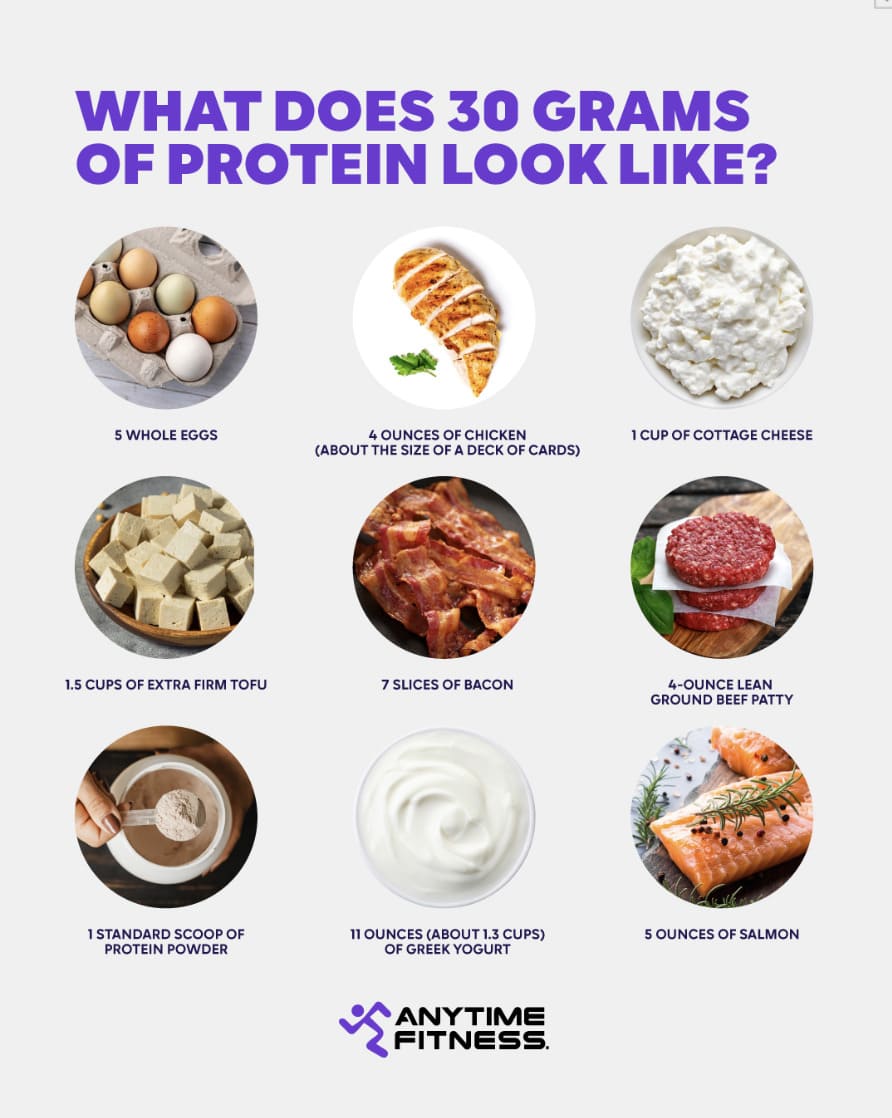
To build muscle, aim for 25-40% of your daily caloric intake to come from protein sources. Here’s one simple way to think of this: include 0.7-1 gram of protein per pound of body weight per day for muscle repair and growth.
For example, a 150-pound person should consume 105 grams of protein per day to support muscle growth (0.7 grams of protein x 150 pounds = 105 grams of protein daily).
The best way to understand the right amount of calories and grams of protein for your body per day is through the Evolt 360 body composition scanner. This provides a full macronutrient breakdown and a precise recommended total caloric intake per day for your body.
Your calorie intake plan can be tailored toward your personal health goal, whether that’s building strength or losing weight. The Evolt 360 body composition scanner also takes age, body type, weight, gender, and other biometric information into account to identify the most accurate caloric intake for your goal.
By increasing muscle mass and strength, you can improve body composition and weight as well. You can see exact data about your body as it changes through recurring body composition scans.
Creatine: A must-have for women’s health and resistance training
When it comes to optimal nutrition for women looking to build strength, creatine is a must-have. Creatine is a natural compound that your body uses for energy with a range of short- and long-term benefits like improved cognition and hormone balancing.
It can also improve bone density, boost energy levels for workouts, build strength in muscles during exercise, and mitigate the overall effects of menopause. Creatine is also absorbed better with protein and carbs, no matter what time you take it.
Why post-workout recovery matters with resistance training
Building muscle isn’t always about constantly pushing yourself with the heaviest weights. Rest days can be just as crucial to staying safe and healthy while hitting your fitness goals, with recovery options to fit your schedule.
Stretching, yoga, massage, sleep, and foam rolling are just a few examples of recovery options. Restful activities such as reading a book or watching your favorite TV shows are also great ways to recharge.
Better sleep = better recovery
You know sleep can affect your mood and energy, but did you know how important sleep can be for your body’s post-workout recovery? Muscle fibers repair and rebuild during sleep. One study found that a single night of sleep deprivation can reduce the synthesis of muscle proteins by 18%.
During menopause, hormones progesterone and melatonin are shifting levels. These hormones are linked to sleep, which can be disrupted during this phase by hot flashes, mood changes, and night sweats.
If you’re following best practices for better sleep but menopause symptoms are getting in the way of sleeping the recommended seven to nine hours per night, talk to your doctor about ways to promote a more restful sleep.
Strength training for women over 40: A non-negotiable for health and confidence
Strength training for women over 40 isn’t just about looking strong — it’s about staying healthy, well-rested, and balanced through menopause and after. With a conscientious approach to exercise, nutrition, recovery, and overall health, you’ll find a rhythm that works for you, helps you build muscle, and keeps you feeling your best. After all, now is the time to prioritize your well-being and feel strong, so you can enjoy every stage of life to the fullest.
Ready to take the next step in your fitness journey? Continue your personalized strength training plan with our Evolt 360 body composition scan and fitness advice from a Coach at a gym near you.
.avif)