

Living longer is one thing, but what about living better? That’s the focus of a new field of aging research called physiological geroscience. In essence, it’s about living longer while increasing health span. So, if you’re curious about how to live a long life, you’re in the right place!
In this blog, we’ll explore some of the simplest (and most important!) longevity tips to add to your routine, plus healthy habits to enhance quality of life. While there’s no one-size-fits-all way to go about wellness and longevity, use these tools to get started, kicking things off with six must-have guidelines below.
How to live better, longer: Understanding health span
If you’re curious about how to live longer, you’re likely also thinking about how to make the most of the years ahead. (Think: Doing the things you love alongside the people you love, fully engaged in the moment.) This is where a term called “health span” comes into play. A person’s health span is defined as the amount of time that they’re — you guessed it — healthy. This is different from a person’s lifespan, which is the amount of time someone is alive.
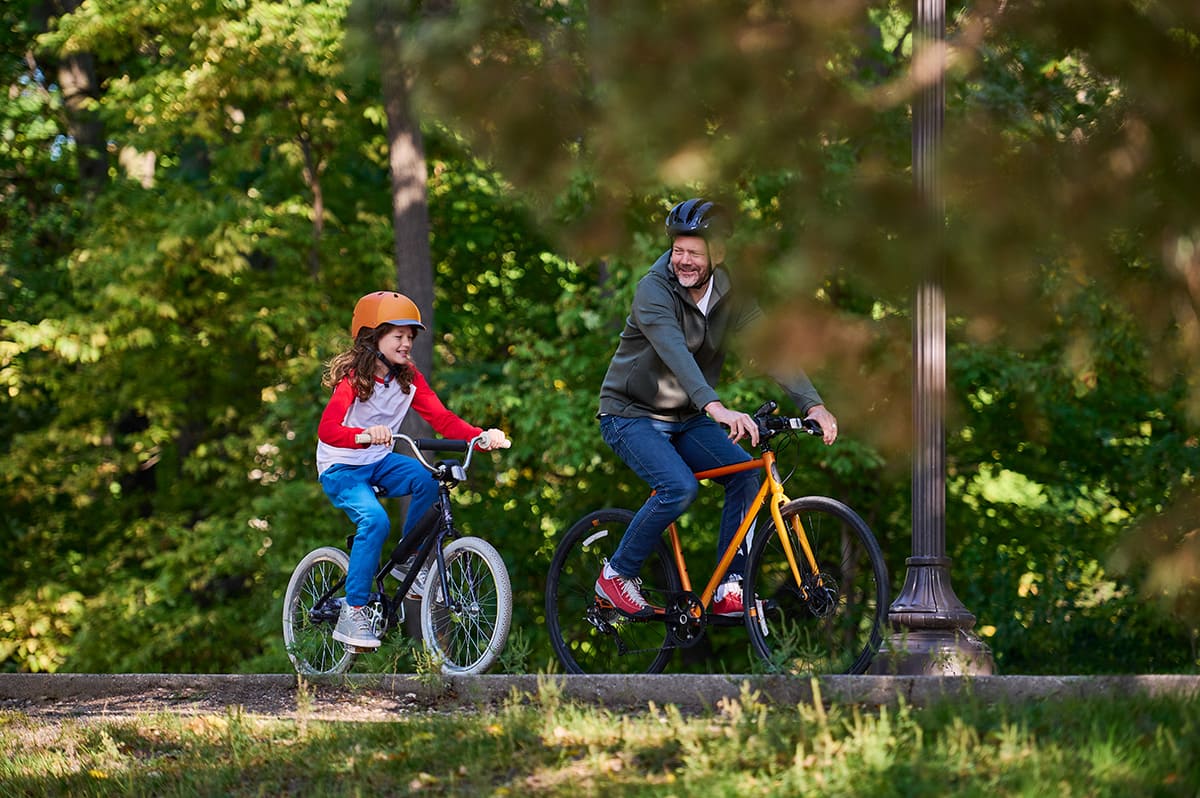
So, what does a health span look like, exactly? While the day-to-day can be different for each person, it’s ultimately about your ability to live the life you imagine for yourself independently and without chronic disease or mobility challenges that might hinder your daily activities. Think: Going to the grocery store, walking around your neighborhood, and enjoying hobbies or social activities like pickleball.
Health span is not only a key way to look at quality of life — it’s also within each person’s control, to an extent. Modern research reveals that daily lifestyle choices (like the six you’ll find below!) impact health span, meaning you can feel better starting now, and also improve your likelihood of additional healthy years down the road.
Use these general longevity tips to get started
To help you get started, we’re sharing six essential habits for healthy living today, and for improved longevity. These tips aren't guaranteed to help you live longer, but in general, healthy choices can help you feel your best, inside and out. Start small by adding one (or all!) of these fitness, nutrition, and lifestyle tips to your routine to start noticing the benefits:
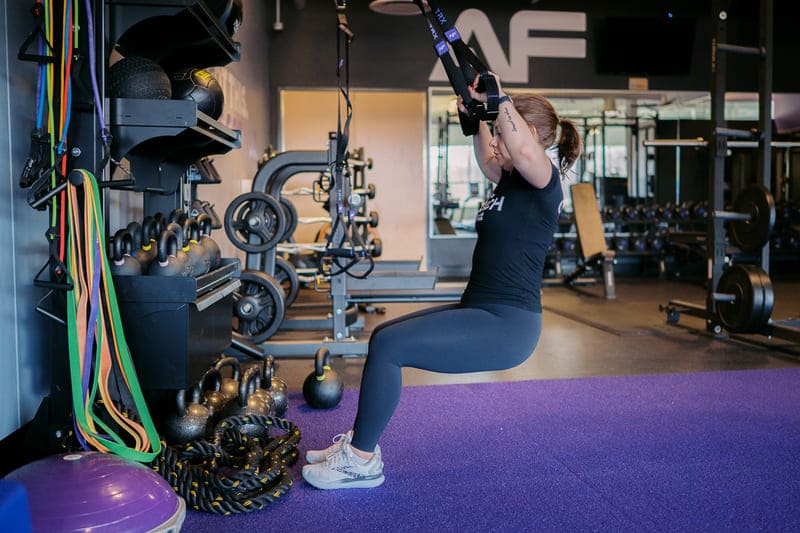
- Move your body daily, with an emphasis on strength training and maintaining mobility through balance and flexibility exercises.
- Be mindful about healthy nutrition, focusing on nutrient-dense foods that keep you nourished and energized throughout the day (tip: keep staples like leafy greens, green yogurt, eggs, and nuts in your fridge or pantry).
- Stay hydrated. You’ve heard it before and you’ll hear it again! That’s because hydration and adequate water intake create a strong foundation for all aspects of health. Pro tip: To stay on track throughout the day, drink a glass of water before every meal.
- Manage stress effectively, starting with better sleep. Identify strategies that work for you to stay calm and balanced in times of stress or uncertainty. That could include journaling, intentional breathing, meditation, or asking for support.
- Stay connected socially. Make time for connection, whether that means spending time with family, friends, neighbors, or others in your community. Social connection is so powerful that it can help support a longer life, according to the World Health Organization.
- Limit alcohol use and avoid drugs. Avoiding or keeping substances like alcohol to a minimum can help prevent the health risks that can be associated with them.
Ready to dive deeper into these categories? Below, we’ll cover some of the most effective ways to boost longevity through fitness, nutrition, and lifestyle practices.
Fitness habits for longevity
Staying active improves your physical health in more ways than one. From reduced risk of injuries to better balance and mobility, integrating fitness into your routine goes a long way! Not sure where to begin? No worries — we’re sharing a few of the essential ways to move your body (and potentially extend your lifespan) below.
Move your body often (consistency is the key!)
When it comes to moving your body, building or maintaining a routine that you can keep up with is more important than the intensity of your workout.
How to be consistent:
- Aim for 2.5 hours of moderate physical activity or 75 minutes of vigorous physical activity each week.
- Plan to do a 30-minute activity five times per week, or fewer sessions for a longer period of time to align with one of the options above.
This benchmark will help maintain cardiovascular health.
Prioritize strength training
The benefits of starting a strength training routine are significant, so whether it’s something you’re drawn to or not, it’s strongly recommended for a healthy life now and longevity later.
Benefits of strength training include:
- Maintaining or gaining muscle mass (aka slowing or reversing sarcopenia — age-related muscle loss)
- Increased functional muscle strength and improved joint stability
- Ease of completing daily activities
- Improved bone density
- Boosts the body’s ability to regulate hormones
- Helps with maintaining a healthy body composition
In addition to these upsides to strength training, it also prevents unwanted risks and health problems. For example, people who strength train regularly are at a lower risk of premature death from falls. This is important for people of all ages, as recently released data shows that this risk increases with age, and the rate has actually increased between 2003 and 2023 in U.S. adults aged 65 and older. This may not be a personal concern of yours yet… but if you’re looking for an extra reason to make strength training part of your life, keep in mind that it can potentially prolong your lifespan!
Don’t neglect your balance and flexibility
Balance and flexibility aren’t just nice to have — they play a key role in your long-term wellness. You can think of these as tools to keep in your injury-prevention toolbelt with major benefits to your mobility now, and the ability to continue moving your body later on in life.
When you train for improved balance, you’ll strengthen your mind-muscle connection in the process. (This is known as “neuromuscular efficiency,” if you’re interested in building your strength training vocabulary!) While there is no way to prevent all accidental injuries, balance training can put you in a better position to respond to them with a faster reaction time, greater body awareness, and a stronger ability to balance on one foot. For extra fun, you can also try the “old man test” — a playful challenge that measures strength, balance, and more.
Another factor that can help reduce the risk of injury from falls — in addition to improving your current quality of life — is flexibility. In the case of an accidental fall, the more your tissues are able to flex, extend, and absorb the stress and stretch, the less likely you are to injure tendons, ligaments, or muscles. Pairing balance and flexibility practices together can reduce your risk of injury even more.
Nutrition tips to support a long life
Prioritizing a healthy, balanced diet is another one of the most important things you can do for your overall wellness today and longevity in the future. Eating nutrient-dense foods promotes positive health, helps boost energy levels, and supports your metabolism. However, the opposite is also true — eating a diet with lots of processed foods, sugar, sodium, and trans fats can increase the risk of complications related to heart disease, as well as cancer and diabetes.
While these concerns are important to know about, it doesn’t mean you need to focus solely on what to avoid. Instead, think of your approach to your diet in terms of self-care: What foods nourish your body so that you feel good from the inside out? Hint: Tasty foods can be nutritious, too! Consider healthy staples like rice, salmon, chickpeas, and vegetables, and allow yourself to enjoy sweet and savory treats in moderation.
Here’s a little encouragement: Studies have linked the MIND Diet (a blend of the Mediterranean and DASH diets) to a reduced rate of Alzheimer's and a slower rate of cognitive decline.
Focus on nutrient-dense foods
The National Institute of Aging confirms that healthy eating supports healthy aging. With that in mind, here are a few key nutrition tips to support longevity:
- Prioritize variety. Make sure all food groups are represented in your daily intake — this can help reduce the risk of developing diseases such as high blood pressure, diabetes, and heart disease.
- Protein goals matter. Incorporate seafood, dairy, or plant-based products such as soy into your eating plan. Other excellent plant-based protein sources include beans, peas, and lentils.
- Focus on micronutrients. These include fruits and vegetables — rich in vitamins, minerals, and antioxidants to help support healthy aging. You can also reduce your sodium intake by seasoning foods with herbs and citruses such as lemon juice.
Stay hydrated and limit processed foods
Proper hydration and mindful eating are essential for maintaining overall health and promoting longevity. Use these tips to boost your self-care on a day-to-day basis (you’ll notice the benefits right away!):
- Limit processed foods. If a food item has a barcode, chances are it’s processed. While not all processed foods are unhealthy, highly processed foods tend to be high in saturated fats and sodium.
- Avoid dehydration at all times. This doesn’t just apply to a hot summer afternoon; drink plenty of water throughout the day (all year long) for optimal digestion and nutrient absorption.
- Avoid sugary drinks. Sugary drinks can contribute to weight gain, increase the risk of chronic diseases like diabetes, and negatively impact your energy levels and overall well-being. One simple way to reduce these risks is by cutting back on or avoiding sugary drinks.
.jpg)
Mindful eating to support longevity goals
Remember — the goal is for healthy eating to fit seamlessly into our lives so that it doesn't feel like a chore. One way to practice this idea is through intuitive eating, which focuses on nourishment, satisfaction, portion sizes that feel right, and self-trust. This approach can offer you the freedom to eat in a way that feels healthy overall while allowing yourself to make food decisions based on hunger and fullness rather than specific metrics.
For some people, intuitive eating helps ensure that healthy eating is sustainable over the long term while also keeping stress levels low. One study revealed that while acute exposure to eustress (such as exercise) helps promote longevity, chronic exposure to other types of stress (such as anxiety) is detrimental to health.
Bonus: Need a little inspiration for mindful eating? Here’s a fun fact: People who live in Blue Zones (geographic areas linked to high rates of longevity), often eat plant-based diets rich in vegetables, legumes, whole grains, and nuts. So, mindful eating has a strong track record when it comes to longevity — and if you ask us, that’s the perfect motivation boost to adopt healthy habits like these.
Healthy lifestyle tips that promote longevity
Adopting a healthy day-to-day lifestyle can also play a significant role in longevity. Boost your routine with the tips below as a guide.
Manage stress effectively
You may have heard of cortisol — the body’s main stress hormone. While this hormone has a bad reputation, it actually serves an important purpose. It’s meant to protect us from stressful situations as they arise, sending signals through the body designed to help it protect itself.
However, when someone is under constant stress, the chronic high levels of cortisol can have negative health impacts. These can include weight gain, muscle weakness, loss of bone tissue (and higher fracture rates), high blood pressure, and high blood sugar, which could lead to diabetes. High levels of cortisol are also linked to cardiovascular disease and mortality, making it especially important to monitor.
One powerful tool for keeping cortisol levels balanced is simple, but effective: sleep. Research has shown that stress and sleep are inversely related. This means that quality sleep helps reduce stress at the hormonal and physiological level, giving your body time to recharge. As a result, you’ll be better equipped to handle the stress of daily life when you’re well rested.
Another helpful strategy for managing stress effectively is getting regular exercise, as mentioned above. In fact, this also helps improve sleep quality — a win-win.
Build strong social connections
For some, maintaining a strong social circle comes naturally, but for others, it can require more intentional effort. While this might not always come easily, it’s essential for avoiding loneliness, especially later in life. In fact, one study reported that loneliness can shorten life expectancy, potentially leading to a 27% spike in mortality in some cases.
In addition to a poor diet, lack of exercise, and habits like smoking, loneliness is important to avoid if you’re looking to extend your longevity. If you’re considering ways to find this, think about “third spaces” (like the gym, hint, hint!) where you’ll be surrounded by like-minded people. Then, carve out time to spend there on a regular basis, so that you can start to build a community. You’ll be more likely to spark a friendship with someone you have things in common with if you’re making yourself available to it — friendly faces are closer than you may think!
Maintain mental stimulation and purpose
Keeping your mind sharp and finding purpose in daily life are not just important for longevity — they’re also important for quality of life and energy levels right now. To boost your mental stimulation, engage in activities that challenge your brain (like puzzles, reading, or learning new skills).
Cultivate a sense of purpose by setting goals, volunteering, or pursuing hobbies that bring you joy and fulfillment. A stimulated mind and meaningful pursuits can enhance your overall well-being and contribute to a longer, healthier life, and you’ll experience the benefits firsthand.
Start using these healthy lifestyle tips today!
As you think about how to live a long life, keep in mind that longevity is built in the present — that means starting right now! To recap, here’s how to get started:
- Move daily with activities like walking or strength training to maintain muscle and joint health.
- Focus on nutrient-dense foods, stay hydrated, and manage stress through better sleep and mindfulness.
- Strengthen social connections to support your mental and emotional well-being.
Ready to put these ideas into practice? There’s no better time to start — every small step you take now lays the groundwork for a longer, healthier, and more fulfilling life.
Looking for more health, wellness, and longevity tips? We’ve got you covered. Check out our resources for balanced nutrition, stress management, workout recovery, and more.