

.avif)
Eating well can be one of the most powerful tools to slow the aging process, reduce health risks, and promote a longer life. But incorporating anti-aging foods (also called longevity foods) into your daily diet is about more than just extending your years — it’s about increasing your vitality, supporting your physical and mental well-being, and enhancing your quality of life.
In this blog, we’ll explore:
- How and why does nutrition play a role in healthy aging?
- What are the best foods for longevity?
- How to make an anti-aging diet part of your routine
- Six must-have anti-aging foods to add to your diet
- And more!
How can nutrition support healthy aging?
Nutrition can support healthy aging not only by adding years to our lives, but by adding life to our years. A diet rich in nutrient-dense foods can make a significant impact on cellular health, the skin aging process, inflammation, and strength and energy levels as you grow older. Let’s explore a few of these key benefits:
- Cellular and metabolic function: From a cellular perspective, fruits and veggies — foods with color — help our cellular and metabolic function. Colorful foods usually mean there’s more fiber, which is essential for longevity and keeping people healthy by promoting stable blood sugar and ensuring smooth gastrointestinal function.
- Managing inflammation: The body’s inflammation process is also related to cellular health. Acute inflammation (such as after a workout) is to be expected, but chronic inflammation can be linked to certain risks. Chronic inflammation caused by ultra-processed foods can set people back in their health profile, with potential for complications. Choosing anti-inflammatory foods (aka those that make us feel good and feel energized) is a great way to boost longevity and curb certain age-related concerns.
- Healthy skin: The skin is often impacted by our diet over time as well. Consuming foods that are less inflammatory, ensuring proper hydration, and eating an adequate amount of protein can support healthy skin. (Of course, don’t forget sun protection for your skin as well!) While aesthetics are subjective, when you eat well, you will likely feel better, look better, and feel more confident as a result — glowing skin included.
- Supports muscle growth: Nutrition paired with resistance training is an insurance policy like no other — it leads to maintaining (or building) muscle and strength. When you combine overall energy needs, protein, and resistance training, you become stronger, and that becomes your body armor for life. This boosts quality of life and helps protect you as you age. Just like regular oil changes extend the lifespan of a car, these steps help maintain the body.
While we can’t control our age, we can control getting better by following the steps above to reduce certain risks. Improving with small nutrition initiatives sets up your future self for a more vibrant future. Whether you're looking to improve your health now or invest in your future well-being, nutrition is a powerful factor that can revitalize your daily life and help you age gracefully.
Tips for building a longevity-focused diet
Building a longevity-focused diet happens with consistency over time. The key is to make an intentional effort to eat more of certain foods and less of others — check out our guide below to get started.
What to eat more of
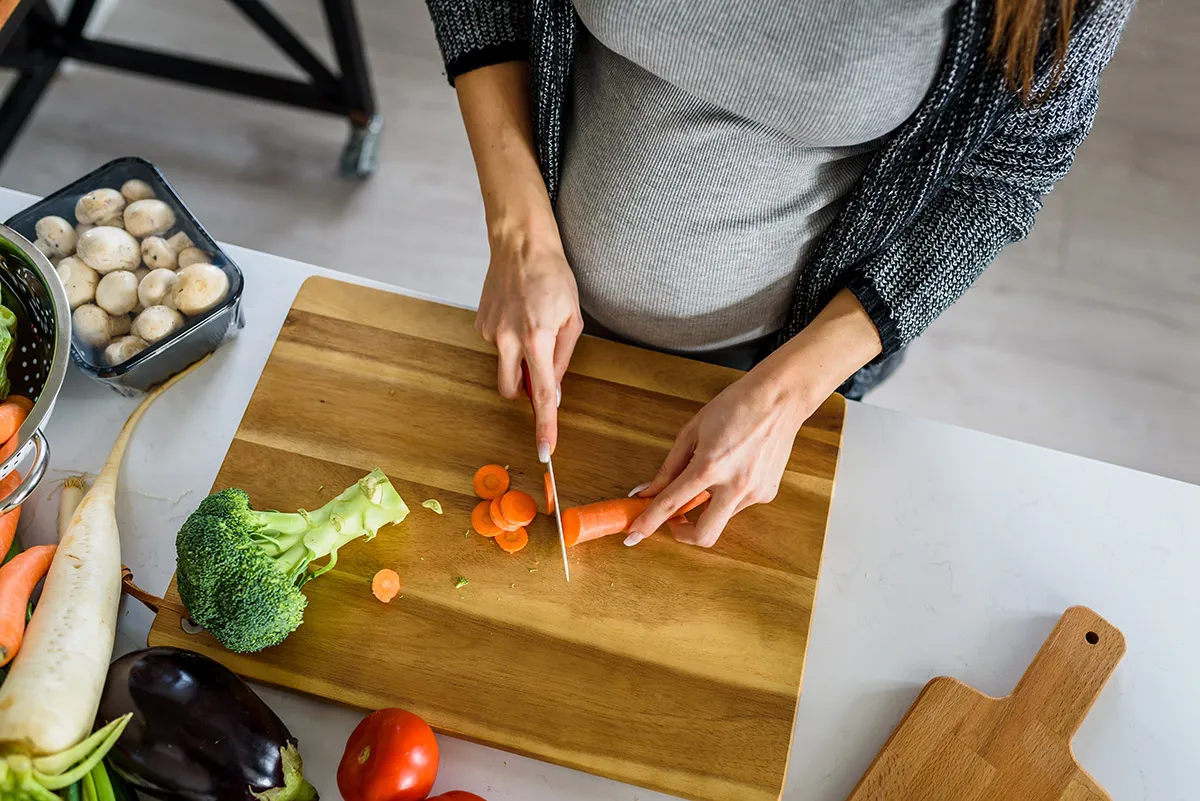
- Color: Broccoli, bananas, tomatoes, carrots, blueberries (rich in antioxidants), and others. Consuming more colorful fruits and vegetables will never be a bad thing! The majority of us could use more of these in our diets.
- Whole grains: Brown rice, quinoa, and oats. These digest more slowly and provide energy and fiber for gut health.
- Omega-3 fatty acids: Fatty fish, almonds, walnuts, and chia seeds. These help with inflammation as well as brain and heart health.
- Legumes: Beans and lentils. Research from the National Library of Medicine tells us that including more legumes in our diet could add years to our life expectancy. “A higher legume intake was associated with lower mortality from all causes and stroke,” the study reports. It also found that in some cases, an increase in legume intake was linked to a 6% reduction in all-cause mortality.
.avif)
What to eat less of
- Ultra-processed foods: Packaged food options that are high in added sugar, high in saturated fat, and are heavily fried. Diets that are rich in ultra-processed foods and sugary beverages can lead to faster aging through their impact on metabolic function.
- Sugary drinks: Soda and beverages with added sugar. These drinks spike blood sugar and can contribute to metabolic dysfunction.
- Refined grains: White bread, pastries, and other stripped-down carbs. Similar to sugary drinks, these also can contribute to metabolic disruptions.
4 practical mealtime tips for good health and digestion:
- Start each meal with vegetables or fruits.
- Include a protein source with every meal (think: fish, chicken).
- Choose whole grains over refined ones. (e.g., oatmeal vs. muffins)
- Try to cook at home more often than dining out.
The building blocks behind the nutrition
By incorporating specific nutrient-dense foods into your routine, you can support your body’s essential functions and promote healthy aging. Below, we’re sharing five essential nutritional building blocks to prioritize in your diet.
Healthy fats: Avocados, olive oil, salmon, and walnuts provide omega-3 fatty acids and monounsaturated fats. These are considered healthy fats — they reduce inflammation, support brain health, and help maintain optimal cellular function.
Antioxidants: Blueberries, dark leafy greens, and green tea contain compounds like vitamin C, vitamin E, and polyphenols are antioxidants. Antioxidants neutralize free radicals, protecting cells from oxidative damage that accelerates aging.
Protein: Protein sources such as Greek yogurt, eggs, chicken, lentils, and quinoa provide essential amino acids. The amino acids are crucial for maintaining muscle mass, supporting immune function, and facilitating cellular repair processes that become increasingly important with age.
Collagen: Collagen is important for strong, healthy skin, bones, muscles, and connective tissues, and it makes up 30% of the body’s protein, according to Cleveland Clinic. Bone broth or collagen supplements can support skin elasticity, joint health, and connective tissue.
Lycopene: Tomatoes (especially cooked), tomato-based products, strawberries, cherries, red onions, and several other foods contain this powerful carotenoid that supports heart health and brain function. In fact, lycopene has been linked to a decreased risk of heart disease and cancer.
6 must-have anti-aging foods
Looking for the best anti-aging foods? They’re more readily available than you might think! Use this quick guide to get started.
1. Blueberries
These are packed with anthocyanins (these are flavonoids — beneficial plant-based chemicals) and antioxidants that are essential to cellular health and protect against free radical damage. They also reduce inflammation throughout the body.
Tip: Try adding blueberries to your oatmeal or protein pancakes.
2. Tomatoes
Tomatoes contain powerful antioxidants like lycopene that support heart health. Plus, “a tomato-rich diet is associated with anticancer properties, reducing the risk of cardiovascular, neurodegenerative, and bowel diseases, and improving skin health, exercise recovery, and immune response,” according to the National Library of Medicine.
Tip: Add tomatoes to your diet by tossing them into salads, blending them into smoothies, simmering them in soups, or using them as a base for sauces and salsas.
3. Leafy greens
Leafy greens are loaded with folate and vitamin K, which support brain function, bone health, and cardiovascular health. According to the U.S. Department of Agriculture, “The vitamin K contents of dark green leafy vegetables provide a number of health benefits including: protecting bones from osteoporosis and helping to prevent against inflammatory diseases.”
Tip: Try adding leafy greens like spinach to a smoothie.
4. Beans
An excellent source of plant protein and fiber, beans help regulate blood sugar, support gut health, and provide sustained energy. They’re also linked to increased longevity, and unlike some animal proteins, beans aren’t high in saturated fat and cholesterol.
Tip: Add beans as a side for dinner items like fish, chicken, or pork.
5. Dark chocolate
Dark chocolate contains flavonoids that support heart health and brain function. According to Johns Hopkins Medicine, dark chocolate also helps balance the immune system, which is important for combating disease.
Tip: Keep dark chocolate on hand for when you’re in the mood for a small bite of something sweet.
6. Fermented foods
Fermented foods (think: kefir, sourdough, and kombucha) are proven to help our gut health by providing beneficial bacteria that support immune function, mood regulation, and nutrient absorption.
Tip: Stock up on kombucha to stay hydrated and enjoy the health benefits of fermentation.
Bonus: Water
People emphasize drinking enough water for a reason — not only is it refreshing, it’s also essential for every cellular function. It helps transport nutrients, removes waste, maintains skin elasticity, supports joint health, and helps regulate body temperature.
[boxout]
Is there a single “best” food to eat to live longer?
Aging is sped up when we become weaker and less able to be independent. This is why eating enough overall (calories) can help slow down the aging process. While there is not necessarily one single best food to eat to live longer, some may consider protein as the key food category to focus on.
Eating enough protein can help achieve the benefits of resistance training and give your body what it needs to keep up with aerobic training. This promotes a longer life by helping you become fit and strong in a sustainable way.
[/boxout]
Unlock all the benefits of an anti-aging diet
A balanced diet full of anti-aging foods can do more than help extend life — it can promote a life filled with energy, vitality, and health. By making mindful choices about what you eat, you can take control of the aging process to an extent, reducing certain health risks along the way. (Think of it as investing in a brighter, healthier future!)
Beyond nutrition, wellness is a holistic pursuit. By combining smart nutrition, regular exercise, and a positive mindset, you can thrive at any age. Small, sustainable changes today can allow you to experience the incredible benefits of a vibrant, energetic, and health-focused lifestyle over time.
Want even more tips and resources to support your wellness journey? Get step-by-step workouts from AF Coaches in the Anytime Fitness App!