

Seeing your parents age can bring sobering moments — whether it's watching them struggle with stairs, need help getting off the couch, or worse, experience a fall.
Here's the thing: mobility strength training is the key to aging gracefully. It's not just for athletes or gym enthusiasts. When done consistently, it provides an extra layer of insurance — helping your parents move confidently, maintain independence, and reduce their risk of injury.
What you'll learn in this blog:
- Why mobility training matters for aging adults
- 10 safe, effective mobility exercises your parents can do daily
- How to use training methods for safer, more effective workouts
First: What is mobility strength training?
Mobility strength training focuses on improving the body's range of motion through the joints, alongside strengthening muscles. Put simply, it's exercise that improves your body's ability to move with control, balance, and power. The purpose of mobility training is to create a foundation for moving safely and efficiently. The impact: improved strength and mobility, reduced risk of injury, and — as a result — increased longevity and health span.
What makes it effective:
- Combines controlled movement with strength training
- Can be done daily with or without equipment (i.e., They can be done in their living room or with alternative gym equipment like resistance bands or TRX straps!)
- Focuses on mimicking the movements they do every day
- Protects joints and bones through muscle engagement
What are the benefits of mobility strength training for older adults?
People often conflate flexibility with mobility, but there's an important distinction — and good reason to focus on the latter as we age.
Flexibility: The ease with which you can move your joints and muscles through stretching.
Mobility: The ability of your joints to move actively through their full range of motion with strength and control — essential for daily activities without discomfort or injury.
A common misconception is that we lose flexibility as we get older. You may have heard your parents say: "I'm not flexible enough" or "I used to be able to touch my toes," but muscles actually become more lax (not tight) as we age.
Muscles protect bones and joints. When muscles become lax, we're more susceptible to fractures — especially as bones lose density with age (this is known as sarcopenia). Therefore, focusing on strength and mobility is more important than flexibility exercises. Mobility, in its simplest terms, is the ability to move. The ability to move freely and without pain is always the goal, as well as embracing the following benefits.
Short-term benefits of mobility strength training
- Less stiffness in the morning
- Easier time with daily tasks (bending, reaching, lifting)
- Improved balance and confidence
- Moving and walking without pain or discomfort
Long-term benefits of mobility strength training
- Stronger muscles that protect aging bones
- Reduced fall and fracture risk
- Maintained independence in activities like getting in/out of cars, picking up items, reaching overhead
- Quality time with others (like grandkids) without physical limitations
10 safe and effective mobility strength exercises for seniors
Now that you understand why mobility matters, it’s important to be able to answer: What workout is best for mobility? The best mobility exercises for your parents work multiple joints simultaneously, can be done daily without equipment, and can progress with weight training as strength improves. Focus on workouts with controlled, slow movements — we'll dive deeper into tempo training after these exercises.
Before starting: Encourage your loved ones to consult with their healthcare provider or Coach/personal trainer before beginning any new exercise program, especially if they have existing health conditions or concerns.
1. World's greatest stretch with rotation
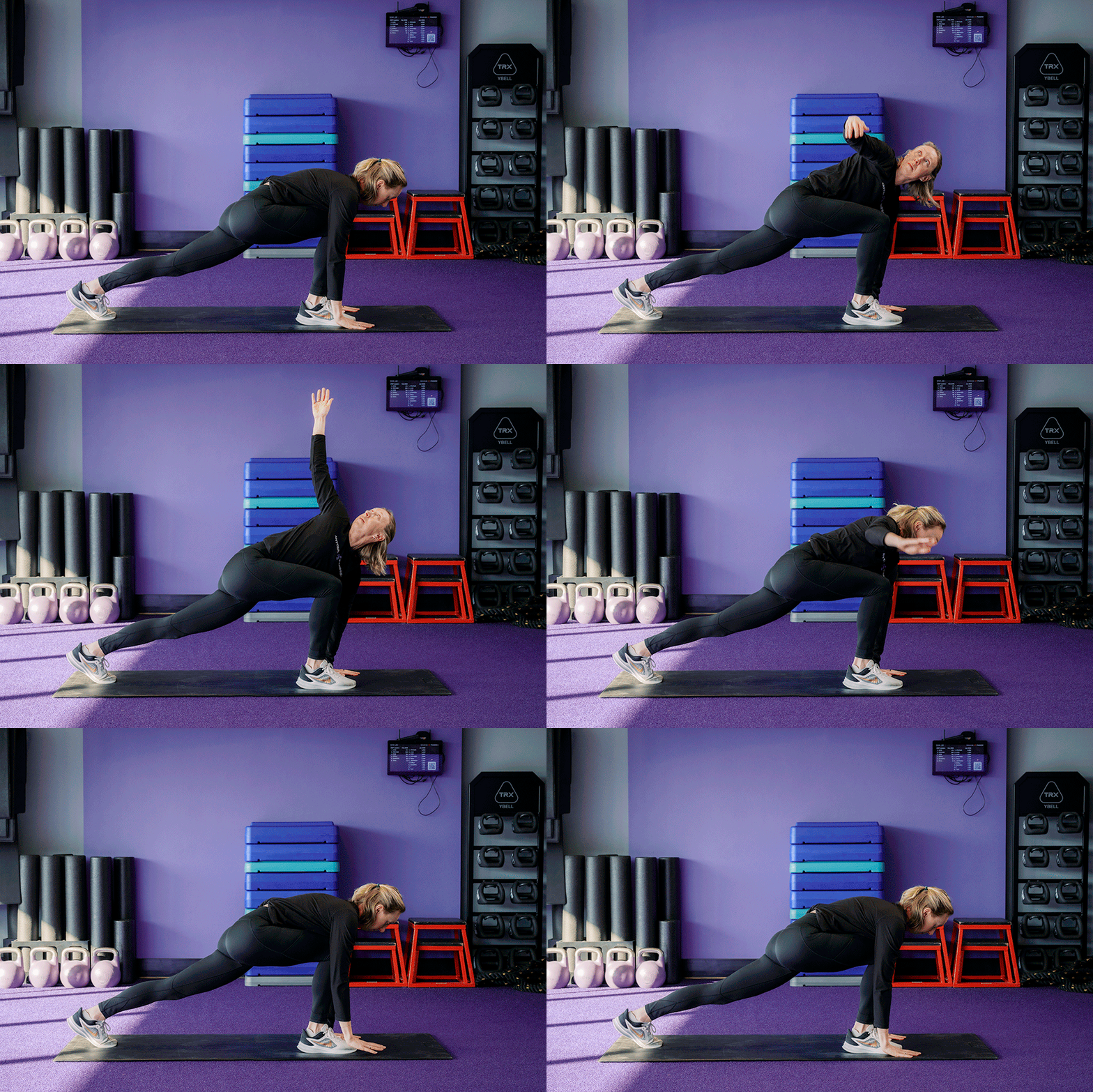
What it does: This powerhouse move targets hip rotation and extension, shoulder stability, and spinal articulation.
Why it matters: Helps them bend down, reach overhead in cabinets, and rotate to look behind them.
How to:
- Start in a high plank position with your hands stacked under your shoulders.
- Step your right foot outside of your right hand, keeping the left leg extended.
- Rotate your right arm up toward the ceiling, and let your gaze follow.
- Return the hand to the floor and step back to into a plank. Repeat on the other side.
Complete 1 set of 5 reps on each side. Complete all reps on one side before switching to the other.
2. Plank to downward dog
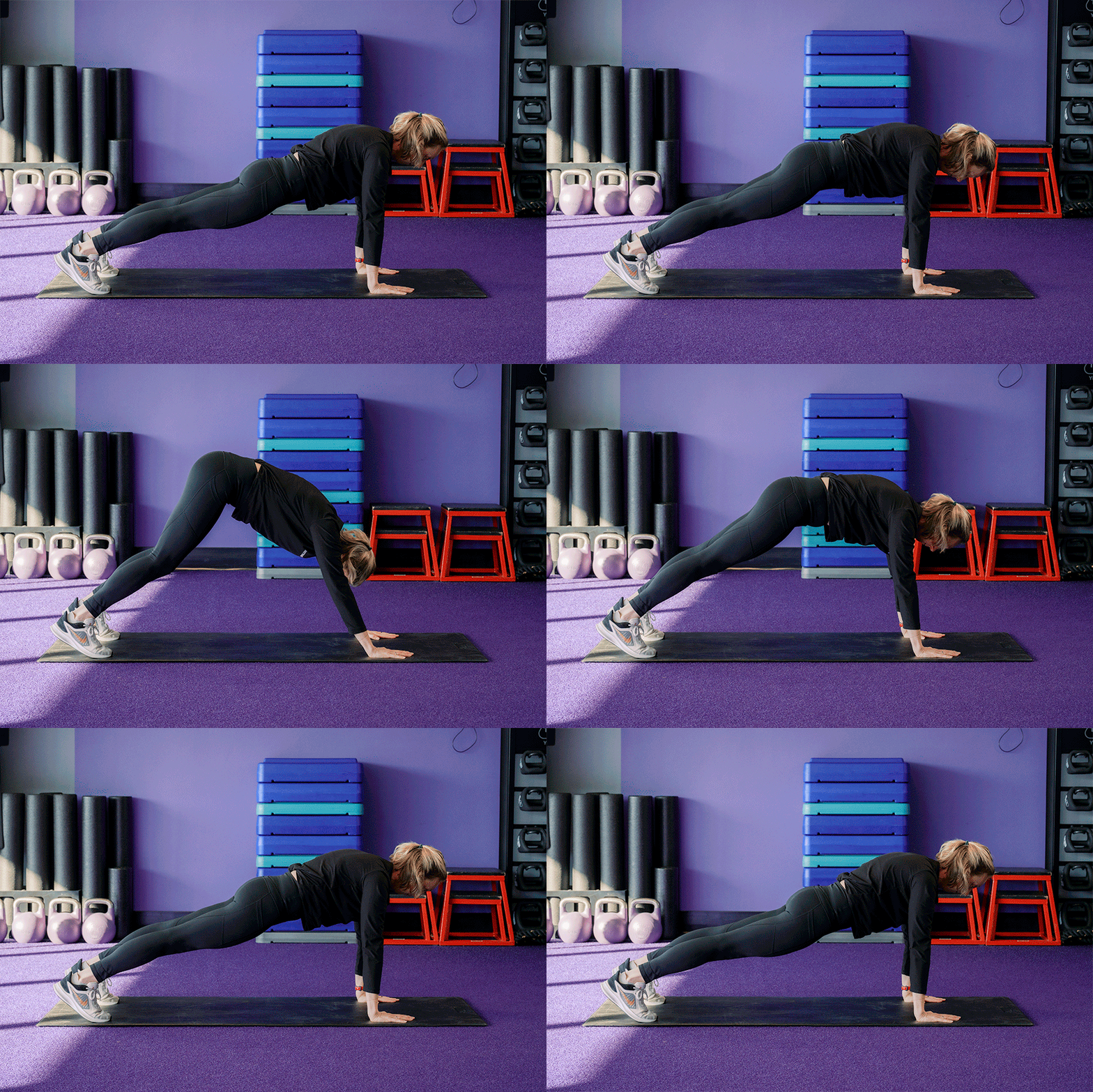
What it does: Builds core and shoulder strength while working hip flexors and stretching the posterior chain.
Why it matters: Helps them get up, maintain posture, push open heavy doors.
How to:
- Start in a high plank position with your hands stacked under your shoulders.
- Press through your forearms and lift your hips up and back.
- Straighten your legs as much as comfortable, creating an inverted V shape.
- Hold for 2-3 seconds, then lower back to plank.
Complete 1 set of 5-10 reps.
3. Inchworm walkout
.gif)
What it does: Combines core and shoulder strength with hip flexors and full-body control.
Why it matters: Improves coordination for complex movements like climbing stairs while carrying items.
How to:
- Stand with your feet hip-width apart, then hinge forward and place your hands on the floor.
- Walk your hands forward until reaching a high plank position.
- Hold for 1-2 seconds, keeping the core engaged.
- Walk your hands back toward your feet and stand up.
Complete 1 set of 5-10 reps.
4. Squat to calf raise
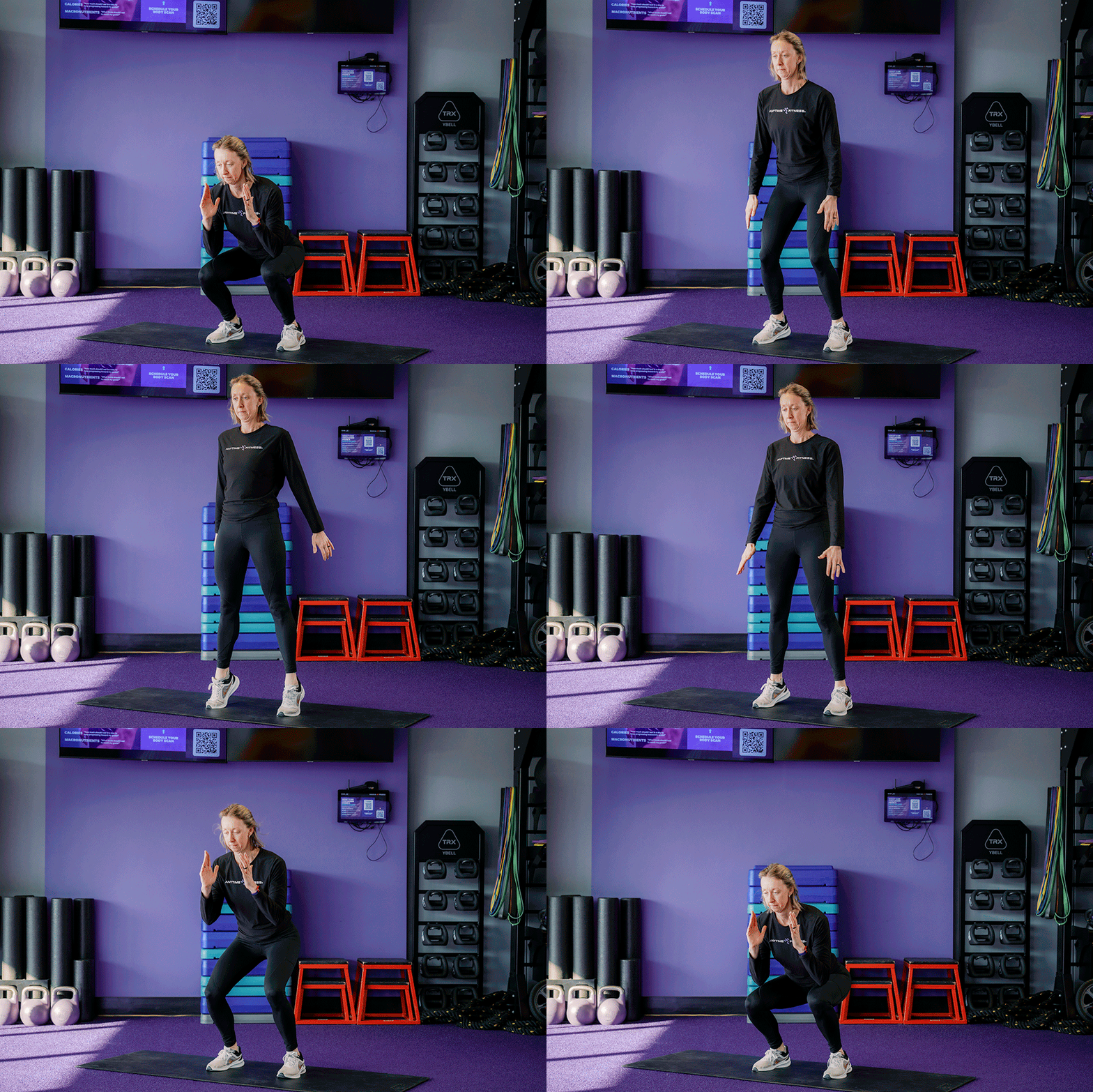
What it does: Builds balance and lower body strength with ankle flexion.
Why it matters: Standing from chairs, toilet safety, reaching high shelves.
How to:
- Stand with your feet hip-width apart and arms at your sides or on your hips.
- Take 2 seconds to lower into a squat, keeping knees behind toes.
- Take 2 seconds to stand back up, then rise onto your toes.
- Hold at the top for 1 second, then lower your heels.
Complete 1 set of 10 reps.
5. Reverse lunge with knee drive
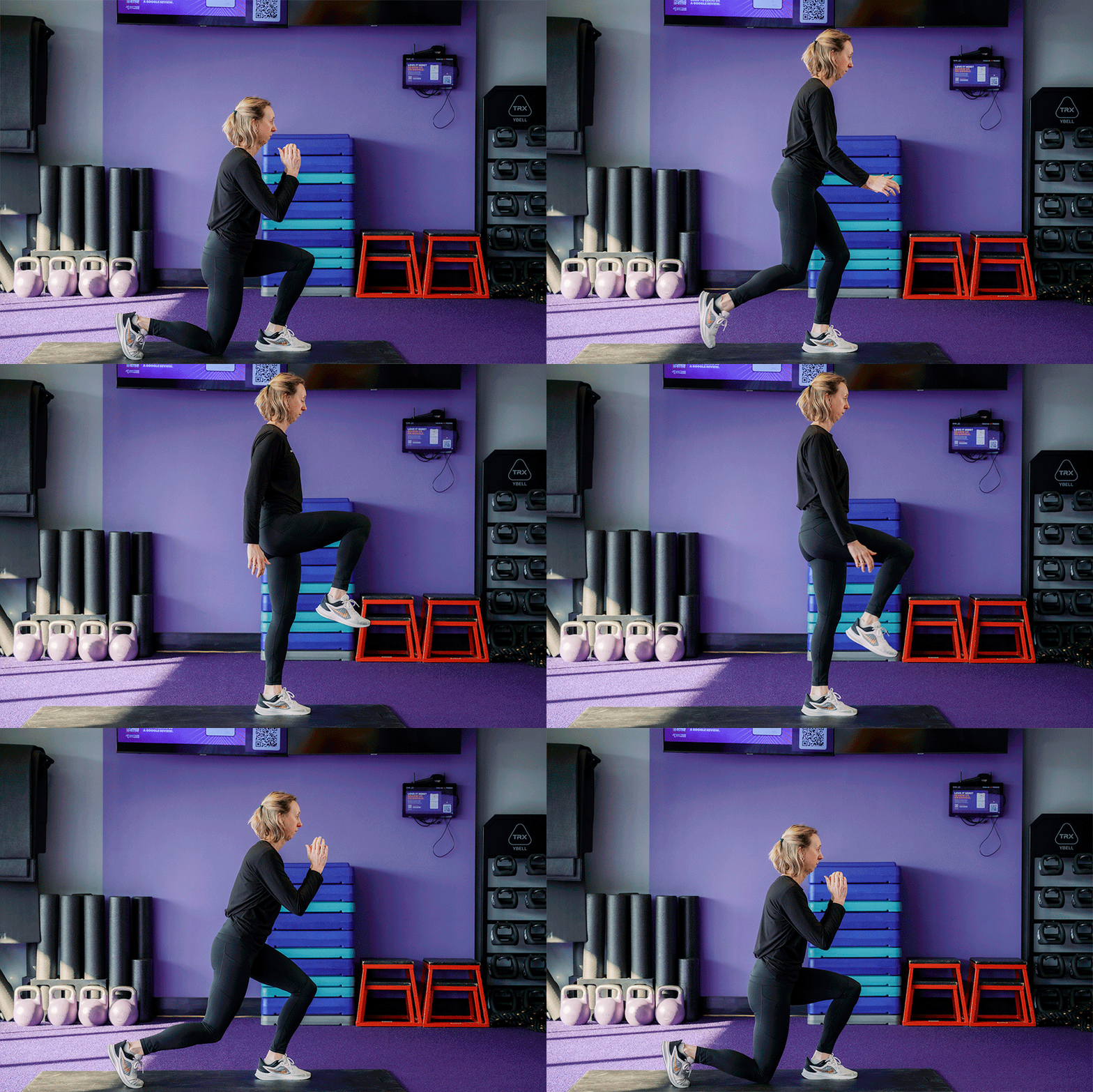
What it does: Targets lower body strength and ankle extension.
Why it matters: Walking confidently on uneven surfaces, stepping over obstacles.
How to:
- Stand with your feet together and hands on your hips.
- Step your right foot back into a lunge, lowering until both knees are bent at 90 degrees.
- Press through the left foot to stand while driving your right knee up toward your chest. Hold for two seconds.
- Keep your right toes pointed up throughout. Return to the starting position and repeat.
Complete 1 set of 5 reps on each side. Complete all reps on one side before switching to the other.
6. Single-leg deadlift
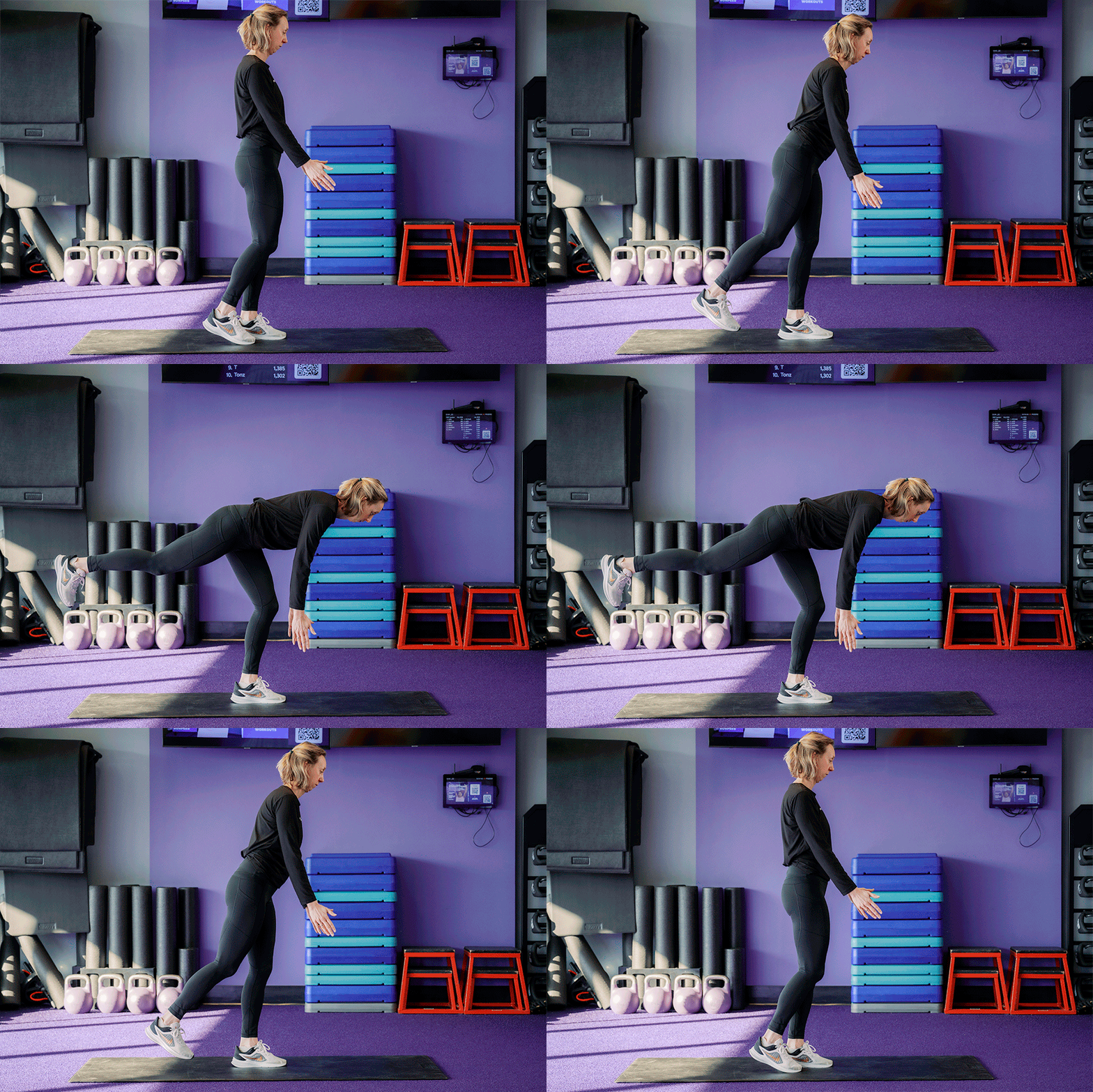
What it does: Builds lower body strength, balance, and oblique strength.
Why it matters: Picking up items from the floor, bending over safely.
How to:
- Stand on your right leg with a soft bend in the knee and your left foot slightly off the ground behind you.
- Hinge forward at the hips, extending your left leg behind for balance.
- Reach your hands toward the floor, keeping your back flat. Stop if your back becomes rounded.
- Squeeze your glutes to return to standing.
Challenge: This can also be a weighted mobility exercise over time with improvement.
Complete 1 set of 5 reps on each side. Complete all reps on one side before switching to the other.
7. Bird-dog
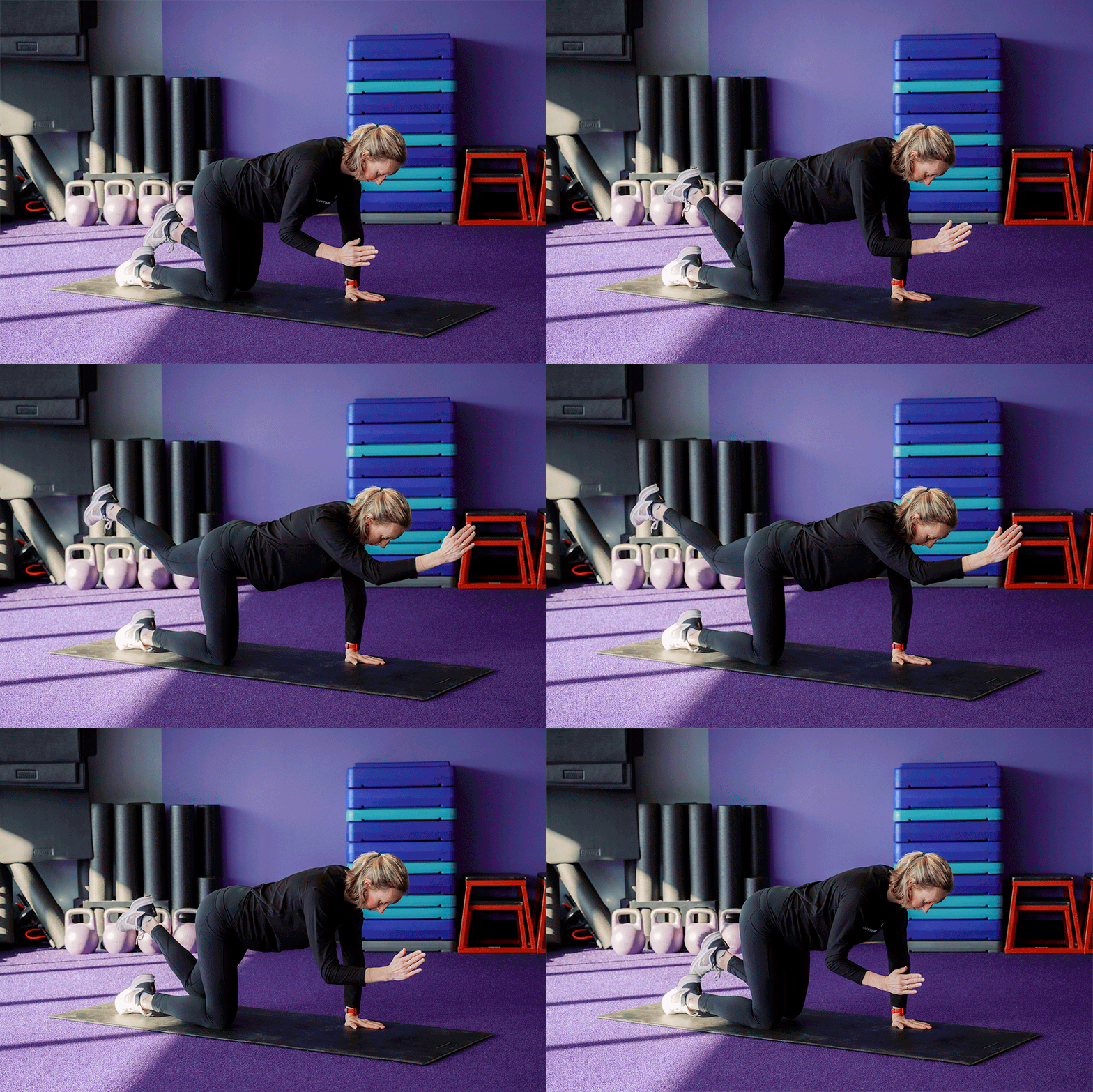
What it does: Improves coordination while working shoulder muscles and engaging hip flexors.
Why it matters: Walking with stability, carrying groceries on one side.
How to:
- Start on hands and knees with your hands stacked under your shoulders and knees under hips.
- Extend your right arm forward and left leg back simultaneously.
- Keep your core engaged and hips level with the floor.
- Hold for 3-5 seconds, then return to the starting position.
Complete 1 set of 5-10 reps on each side. Complete all reps on one side before switching to the other.
8. Dead bug
.gif)
What it does: Builds core strength and coordination while improving hip and shoulder mobility.
Why it matters: Getting in and out of bed, rolling over safely.
How to:
- Lie on your back with arms extended toward the ceiling, knees bent at 90 degrees.
- Press your lower back into the floor to engage your core.
- Slowly lower your right arm overhead while extending the left leg until it’s hovering just above the floor or until your back begins to come off the floor.
- Return to the starting position with control.
Complete 1 set of 5-10 reps on each side. Complete all reps on one side before switching to the other.
9. Floor Ws
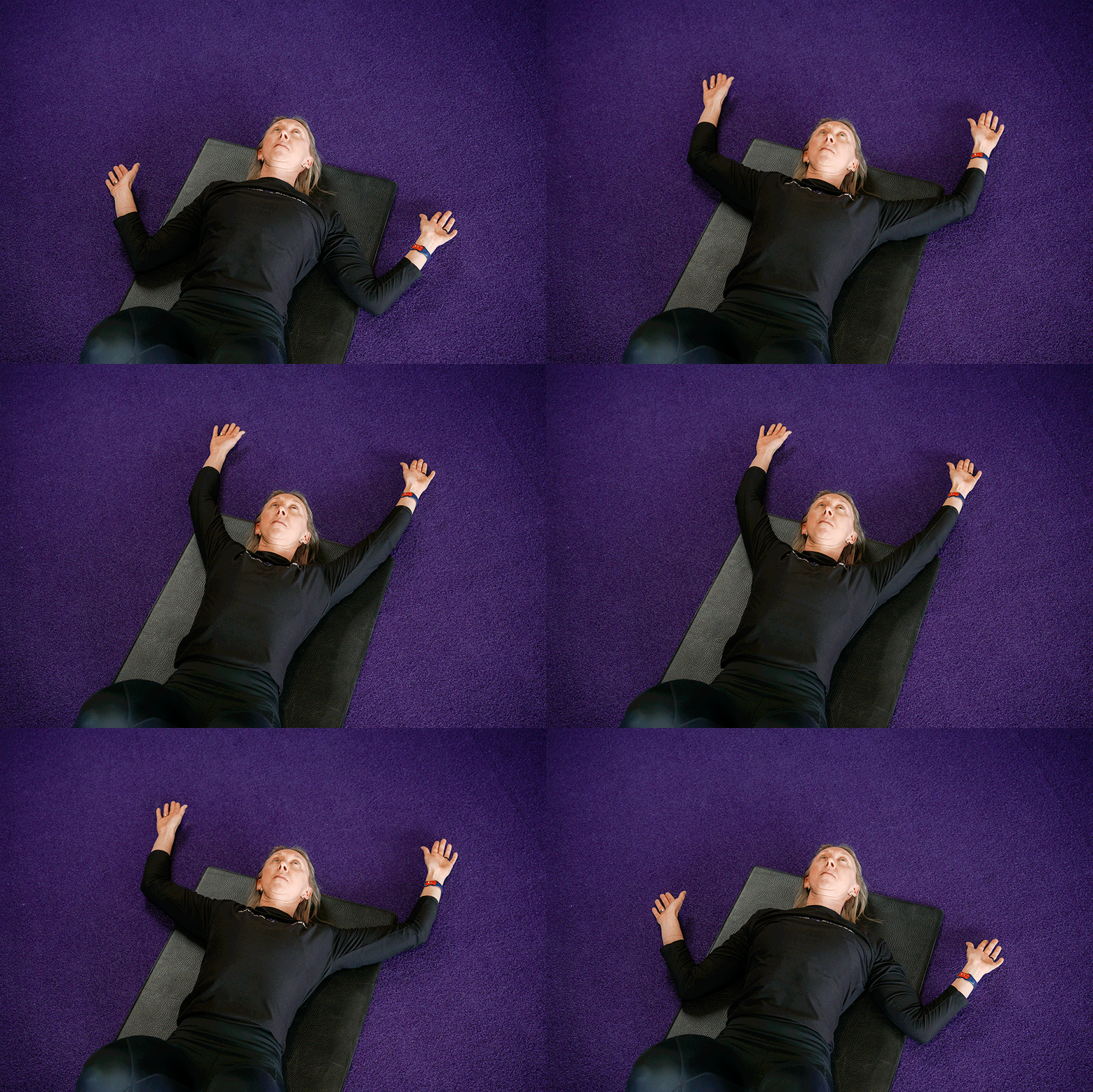
What it does: Builds shoulder mobility and stability.
Why it matters: Reaching behind to fasten clothing, washing hair, putting items in overhead bins.
How to:
- Lie face down with your arms bent at 90 degrees, forming a "W" shape.
- Squeeze your shoulder blades together and lift your arms slightly off the floor.
- Hold for 2-3 seconds, keeping your neck neutral.
- Lower with control and repeat.
Modification: Can be done seated if the floor is difficult.
Complete 1 set of 5-10 reps.
10. Scapular push-ups
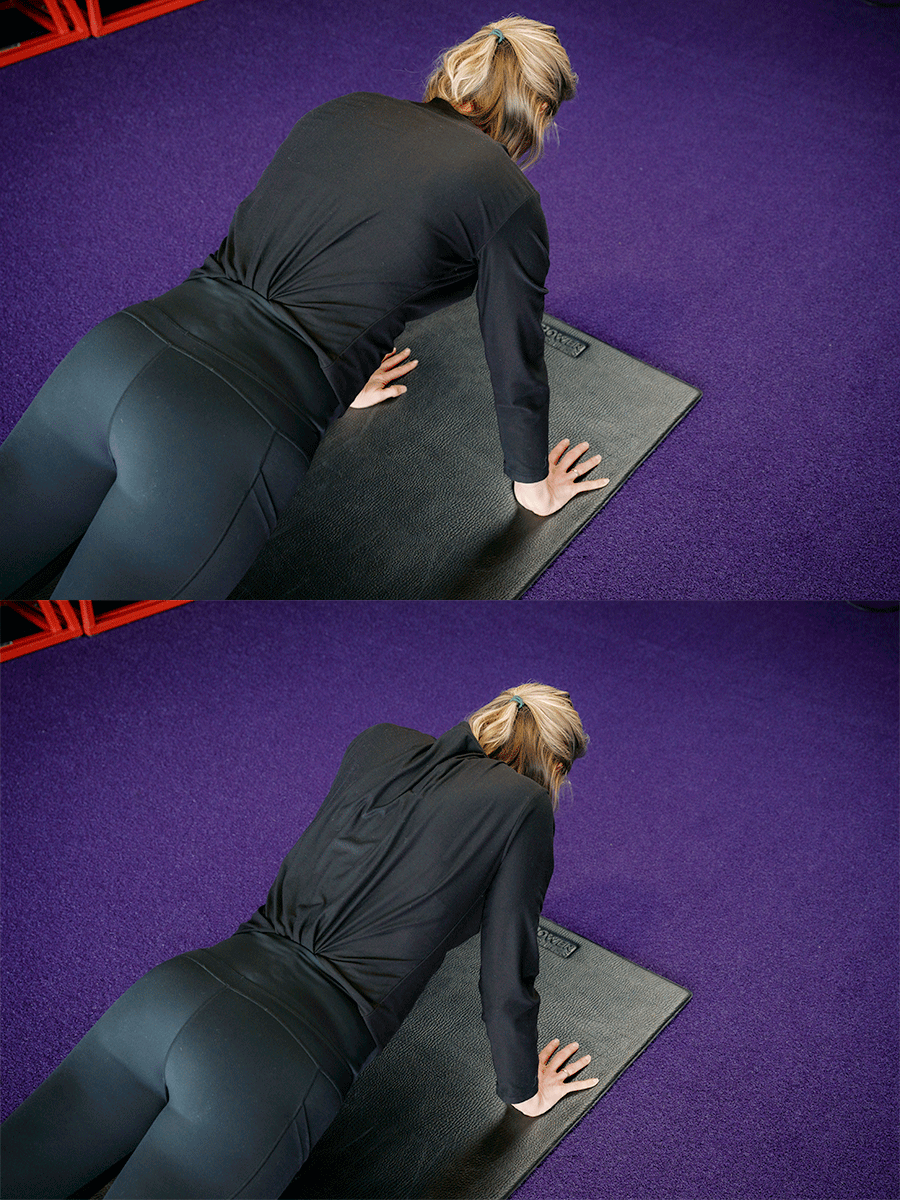
What it does: Improves shoulder mobility and core strength.
Why it matters: Pushing up from chairs or bed, opening heavy doors.
How to:
- Start in a high plank position with your arms straight.
- Without bending your elbows, let your shoulder blades come together as the chest sinks slightly.
- Push your shoulder blades apart to return to the starting position, rounding your upper back.
- Repeat the squeezing and spreading motion.
Modification: Perform on knees or against a wall for less intensity.
Complete 1 set of 5-10 reps.
What are the best tips for older adults getting into strength training?
Strength training might feel intimidating for older adults, but the good news: mobility strength training is simple, can be done with or without equipment, and performed daily as part of a workout routine or even movements done on their own. However, consistency is the key. Think of these exercises as daily vitamins — essential for counteracting muscle and bone deterioration.
However, because muscles and bones deteriorate as you age, it's important to ensure your parents ease into mobility strengthening safely. Here are several methods for doing so.
Tempo: Maximize the benefits of each rep
The secret to safe, effective mobility strength training for aging adults? Slowing down. Slower movements mean safer execution and better results. Tempo means performing every movement with control. This gives your parents extra time to check their body positioning throughout each movement and allows for more muscle recruitment without extra weight. Not to mention, a natural integration of breath work.
What does that look like in workouts? Here's an example of tempo training in squat to calf raises:
- 2 seconds to squat down (controlled descent)
- 2 seconds to come back up and onto toes
- 1 second hold at top of calf raise
- Repeat with the same control
More muscle recruitment through isometric contractions — holding a position for time — can increase the effectiveness of workouts without needing to add equipment. The same control your parents use in a tempo squat translates to real-world motion, like bending over to pick up their grandchild's toy.
Nutrition: Maintain muscle mass
Eating a protein-rich diet is important at all stages of life, but especially for older adults, as it supports muscle growth and maintenance for better balance, movement, and coordination.
Despite these benefits, most older adults don’t meet their daily protein needs and may struggle to build or maintain the muscle mass needed to keep their body functioning optimally. This can result in more falls, reduced independence, and less ability to do the things they love.
Try the balanced plate framework to help your parents increase their protein intake:
Consult a medical professional or dietitian before starting a new diet plan, especially if your loved one has dietary restrictions.
[boxout]
Starting slow: Try the 3-3-3 rule
Another method for easing into it is the 3-3-3 rule. While we recommend daily mobility strength training, the 3-3-3 rule is a helpful starting framework: work out three times a week, focusing on three sets of three different exercises. This builds strength while allowing for rest and recovery. As your parents build consistency, they can gradually increase to daily practice.
[/boxout]
Build mobility, build longevity
Mobility strength training isn't just about helping your parents build stronger muscles or improve balance. It's about giving them the confidence to live life fully, whether that's keeping up with energetic grandchildren, traveling without worry, or simply moving through their day without pain or hesitation.
Just a few minutes of daily practice can make a meaningful difference. Your parents deserve to move with confidence, and with these exercises, they can.
More strength training and longevity tips for you
- Add These Anti-Aging Foods to Your List for Longevity & Vitality
- Must-Have Longevity Tips for a Better, More Active Life
- Losing Weight After 50: Let’s Talk About It!
- Exercise to Increase Longevity: How to Improve Grip Strength
Looking for a strength training program tailored to your abilities? Meet with one of our Coaches to get started.
.avif)