


.avif)
Sarcopenia, a condition causing a loss of muscle fibers and strength, isn’t just a normal part of getting older — it’s a serious health concern. But here’s the good news: It can be managed and prevented with healthy habits (think: resistance training). Exercises for sarcopenia can help you stay strong, active, and independent when practiced consistently, and we’re here to provide the tools to help you do that.
In this blog, we’ll cover eight exercises for sarcopenia and more, including:
- What is sarcopenia?
- How to avoid sarcopenia
- The relationship between resistance exercise and sarcopenia
- Coach-approved tips for sarcopenia prevention exercises
- And more!
What is sarcopenia?
Sarcopenia is a common condition often experienced by people in their 50s and older, causing age-related muscle loss (by reducing the size and number of muscle fibers). This muscle loss accompanies a loss of strength and physical capacity, which can affect quality of life.
The effects of muscle loss go beyond changes to what one might be able to accomplish in the gym — it can significantly impact the ability to carry out everyday tasks and activities, from carrying groceries to climbing stairs. Because sarcopenia affects the musculoskeletal system (the physical structure that supports the body, made of bones, joints, and muscles), it can pose risks of falling, as well.
While sarcopenia becomes common with age, an early awareness of the condition and its risks can change outcomes later in life. Muscle mass tends to peak during the 20s and 30s, then naturally gradually declines as you get older. Fortunately, prioritizing diet, exercise, and a healthy lifestyle can make a difference!
Finding the right motivator can be exactly what’s needed to make healthy choices and preserve muscle. In fact, one study revealed that common motivation themes included longevity, quality of life, personal well-being, independence, and prevention of complications. Often, focusing on a motivator that resonates can help you follow through with goals like starting a workout routine or improving nutritional habits.
How to prevent sarcopenia
While sarcopenia can create challenges, it can also be prevented. Research lists age, diet, amount of physical activity, and obesity as factors that can affect “the risk of having low muscle strength, low muscle mass or low functional performance, factors connected with sarcopenia."
Focusing on healthy choices can potentially lower the risk or severity of sarcopenia. While we can’t prevent getting older, the three lifestyle factors below can help minimize the risks of sarcopenia.
1. Get enough physical activity
When muscles are not activated and physical activity goals are not met, we lose more muscle fibers and worsen the degree of sarcopenia.
Aim for at least 150 minutes per week of moderate-intensity aerobic activity, 75 minutes per week of vigorous activity, or a combination of both. Pro tip: Spread this across multiple days to avoid over-exerting yourself and to build it into your daily routine which will help with consistency.
In addition, practice strength training that incorporates progressive overload two or more days per week, making sure to target all major muscle groups (chest, back, legs, core, shoulders, and arms).
Bonus: Get going with step-by-step support
Here’s the good news: Support is more accessible than you might think! Use the AF App or in-person Coaching services to get personalized guidance and step-by-step planning to reach your health goals.
2. Eat a balanced diet
Realistic healthy eating looks a little different for everyone — after all, lifestyle and routine, dietary restrictions, schedules, and more all play a role in what makes sense for your personal meal planning. However, here are a few staples to prioritize that work for all diet plans.
We recommend choosing whole foods, plenty of fruits and vegetables, lean protein, nuts, and seeds. In addition, choosing complete protein sources can help you meet the recommended daily intake goal for muscle repair and growth: 0.7-1 gram of protein per pound of body weight per day. You may also consider supplementing with amino acids and creatine, especially if you follow a vegetarian or vegan diet.
3. Strive for a healthy body composition
Use a body composition scanner to evaluate your body composition and to help you stay within healthy ranges. The Evolt 360 body composition scanner (available at Anytime Fitness locations) can provide this tracking — available during a fitness consultation.
For best results, aim for regular scans to stay on top of health changes. Our bodies are always changing, and tracking body composition periodically can help you make positive choices based on your specific data. This becomes especially important as you get older and can have an increased risk of conditions like sarcopenia.
[boxout]
Can sarcopenia be reversed?
Yes — when practiced consistently, certain exercise and nutritional choices can potentially help reverse sarcopenia. Research has shown that resistance training is one primary factor that can slow and even reverse the effects of sarcopenia as people get older.
However, nutrition is just as important as exercise. According to research, adequate physical activity and balanced nutrition combined can counteract the development of sarcopenia. It’s never too late to prioritize lifestyle habits that can improve your quality of life.
[/boxout]
Walking: One key to sarcopenia prevention
In addition to a balanced diet and certain exercises like resistance training, walking is an important component of a well-rounded lifestyle. As stated above, it’s recommended that adults get at least 150 minutes per week of moderate-intensity activity, 75 minutes per week of vigorous activity, or a combination of both. Brisk walking qualifies as aerobic physical activity, making it an excellent way to be active and care for your body’s health.
Depending on the intensity of your walk (as measured by a heart rate monitor or rate of perceived exertion), the minutes you spend walking that elevate your heart rate above resting (or about 50% to 60% of your max heart rate) can be counted toward the aerobic activity goal of at least 150 minutes. You should be able to carry out a conversation while walking, but not too easily for it to be considered moderate intensity.
When paired with strength training twice per week (or more), and a sensible diet to support the repair and regrowth of muscle fibers, walking can help reduce the effects of sarcopenia.
Resistance training: Benefits for muscles and beyond
While walking can work wonders for overall health, another way to combat sarcopenia is by building and maintaining muscle mass. This is where resistance training comes in!
Resistance training, also known as strength or weight training, is particularly effective for building muscle mass and strengthening the fibers that make up each muscle, even for older adults. Much like it sounds, these exercises involve movements that create resistance (whether through weights, resistance bands, or your body weight) to challenge your muscles. When combined with aerobic and stretching exercises, resistance training helps mitigate the effects of sarcopenia as you get older.
All types of resistance training are beneficial, and lower body strength training exercises in particular can help with balance, mobility, and improved gait (aka your walking pattern). All of these are important in mitigating the effects of decreased functional capacity that comes with age.
8 exercises for sarcopenia prevention
If you’re interested in preventing sarcopenia as you get older, you can incorporate resistance and strength training into your fitness routine at least two to three times per week. This can help prevent muscle loss while simultaneously promoting muscle growth — a win-win! Learn about eight sarcopenia exercises below, and when you’re ready, give them a try for yourself.
Note: Before starting any new exercise regimen, it's important to consult with a doctor and start gradually.
Exercise 1: Squat
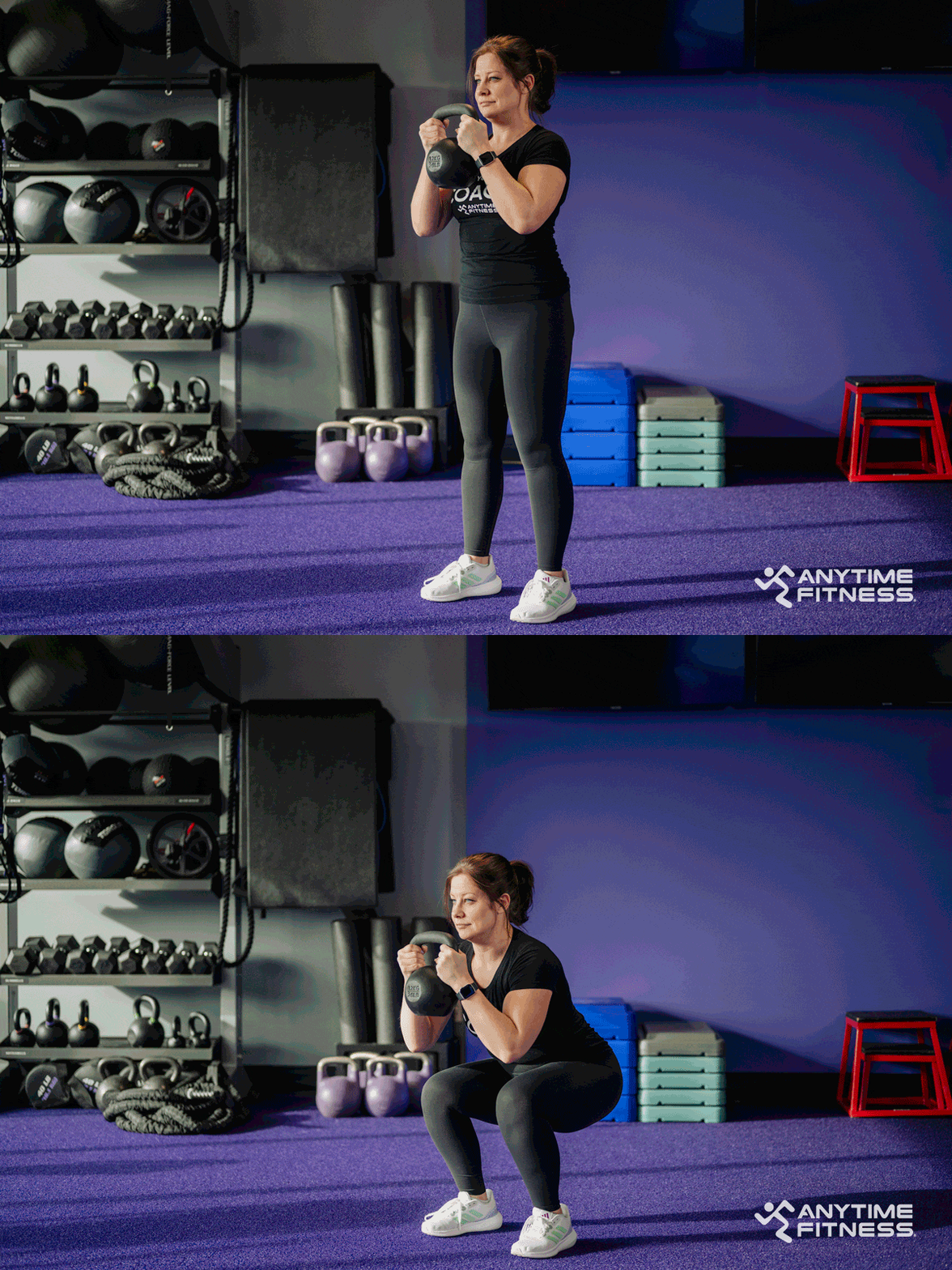
How to:
- Start in a shoulder-width stance holding the kettlebell by the horns with elbows down.
- Hinge your hips back and down while bending your knees.
- Push through your heels to return to the start position.
- Keep your back flat and your head up throughout the movement.
Complete 3 sets of 8-12 reps.
Tips: You can also use a dumbbell or medicine ball instead of a kettlebell. Choose a weight that is moderately heavy and is a challenge for eight to 12 reps, but still allows you to maintain proper form.
Exercise 2: Deadlift

How to:
- Start with a shoulder-width stance with the weight between your feet.
- Hinge your hips back and flex your knees.
- With a flat back and straight arms, grab the handle of the weight.
- With shoulders back, drive your hips forward, lifting the weight off the floor.
- Come to an upright position.
- Lower the weight by hinging your hips back.
- Repeat.
Complete 3 sets of 8-12 reps.
Tips: This exercise can be performed with a sandbag or two dumbbells instead of a kettlebell. If you feel like you could have done more than 12 reps at the end of your sets, consider going to the next heaviest kettlebell on your next set. (People tend to underestimate how much they can deadlift!)
Exercise 3: Bent-over row

How to:
- Bend forward at your waist with your knees slightly bent and your back flat, holding a sandbag in front of you on the floor with your arms straight.
- Lift the sandbag up to your chest, bending at your elbows.
- Lower the sandbag back to a straight arm position, keeping your back flat throughout.
Complete 3 sets of 8-12 reps.
Tips: We like the sandbag because it mimics picking up and moving things in real life, but if you don’t have one available or it’s not the right weight, feel free to use dumbbells, kettlebells, or a barbell.
Be sure to squeeze your shoulder blades together intentionally as you drive your elbows back during the row. This will help engage the proper muscles during the exercise.
Exercise 4: Push-up
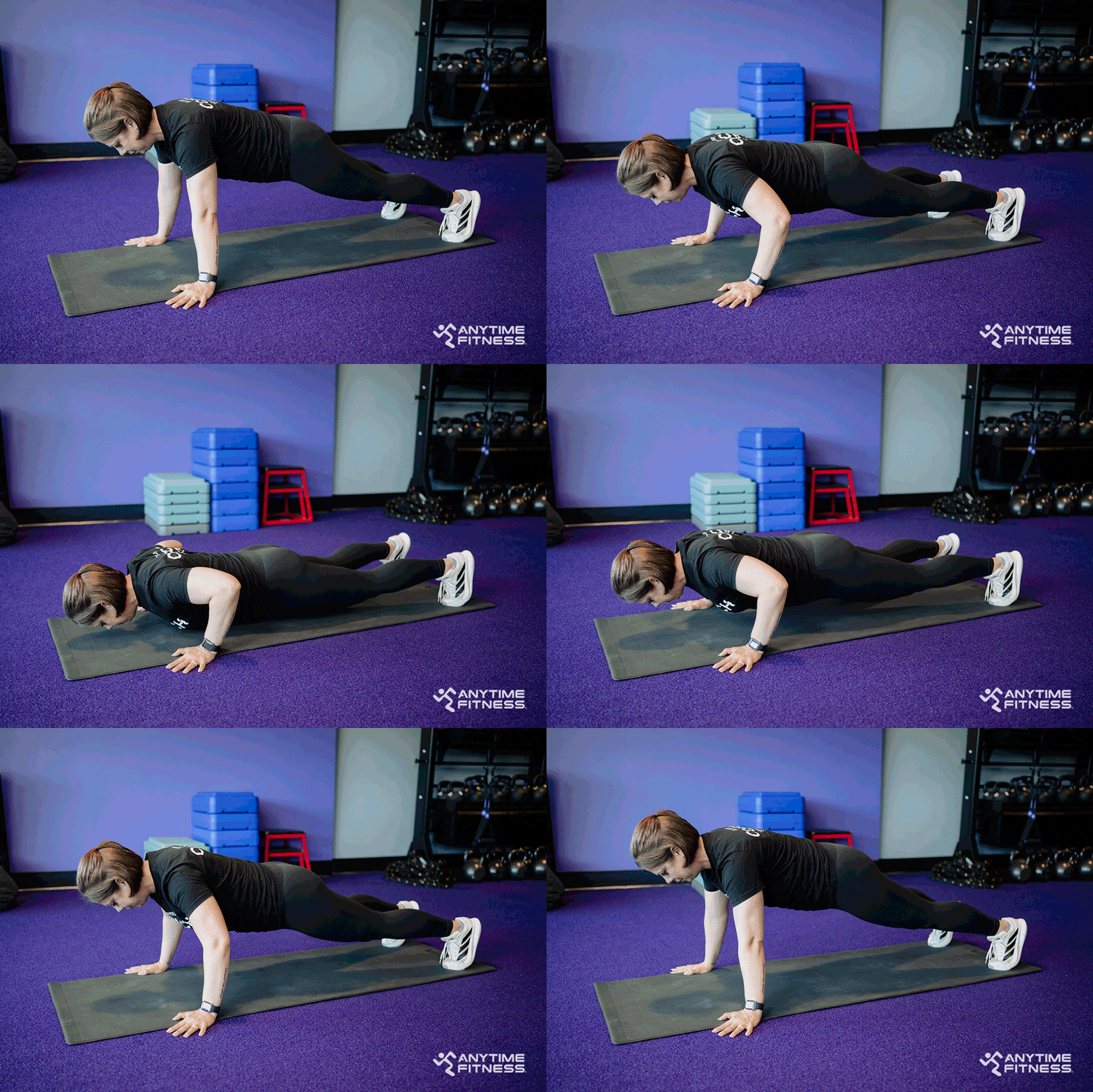
How to:
- Support your body on your toes and hands with your elbows bent and your chest nearly touching the floor.
- Push up to a straight arm position.
- Lower your body back to the start position and repeat.
- Keep your back flat and your hips in line with your shoulders throughout.
Complete 3 sets of 6-12 reps.
Tips: Take your time working up to the push-up on your toes. You can start with a wall push-up, then progress to a push-up using a bench or box, then to a kneeling push-up, and finally to the traditional push-up on the toes.
Exhale as you push, and envision yourself pushing the ground away from you. Push using the muscles of your chest and shoulders, keeping your core braced — this helps ensure proper form but also makes the push-up easier!
Exercise 5: Farmer carry

How to:
- Pick up the weights and hold them by your sides.
- Keep the weights about an inch off the body.
- Pull the shoulders back and slightly elevate them to support the load.
- Stand tall with the majority of your body weight in your heels.
- Brace your core and begin walking with an upright posture.
Complete 3 sets of 1 lap.
Note: If you have a small space and can’t make a “lap” then do a kettlebell hold for as long as possible — up to 1 minute. This counts as 1 set.
Tips: Choose weights that are heavy and challenging without compromising your form. You should be able to stand tall, take deep breaths, and take careful steps as you hold the weights. Walk slowly and gently, bracing your core with each step. Feel free to take breaks mid-lap. After a moment to rest, finish your lap!
Exercise 6: Forward Lunge

How to:
- Stand upright holding dumbbells by your sides with arms straight.
- Take a step forward, dropping your back knee down and leaning your torso slightly forward with your weight on your front leg.
- Push off your front foot to return to the start position.
- Complete all reps on one side before switching to the other side.
Complete 3 sets of 6-8 reps per side.
Tips: While forward lunges have balance benefits, you can do reverse lunges and lateral (side) lunges for variety, too. Master the bodyweight forward lunge before trying with dumbbells.
Exercise 7: Overhead press
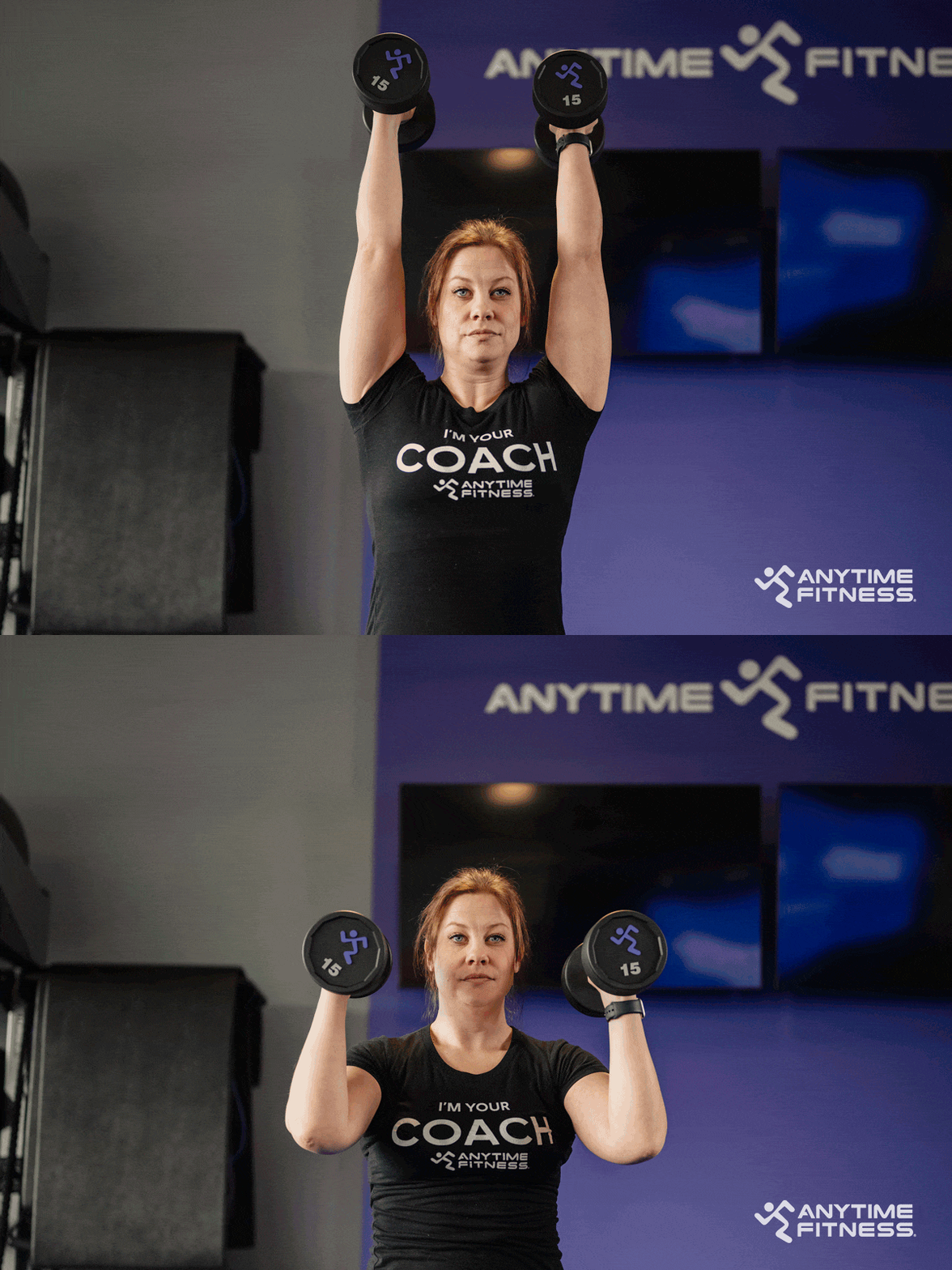
How to:
- Stand upright holding dumbbells at shoulder height with your elbows bent and your palms facing forward.
- Press the dumbbells overhead, extending your arms fully.
- Keep your back flat throughout the movement.
Complete 3 sets of 8-12 reps.
Tips: This movement can be performed while standing on one leg for balance practice. If you are aiming to build more lower-body strength, sneak in extra squats by doing a squat-to-press instead of only overhead presses.
Exercise 8: Single-leg calf raise
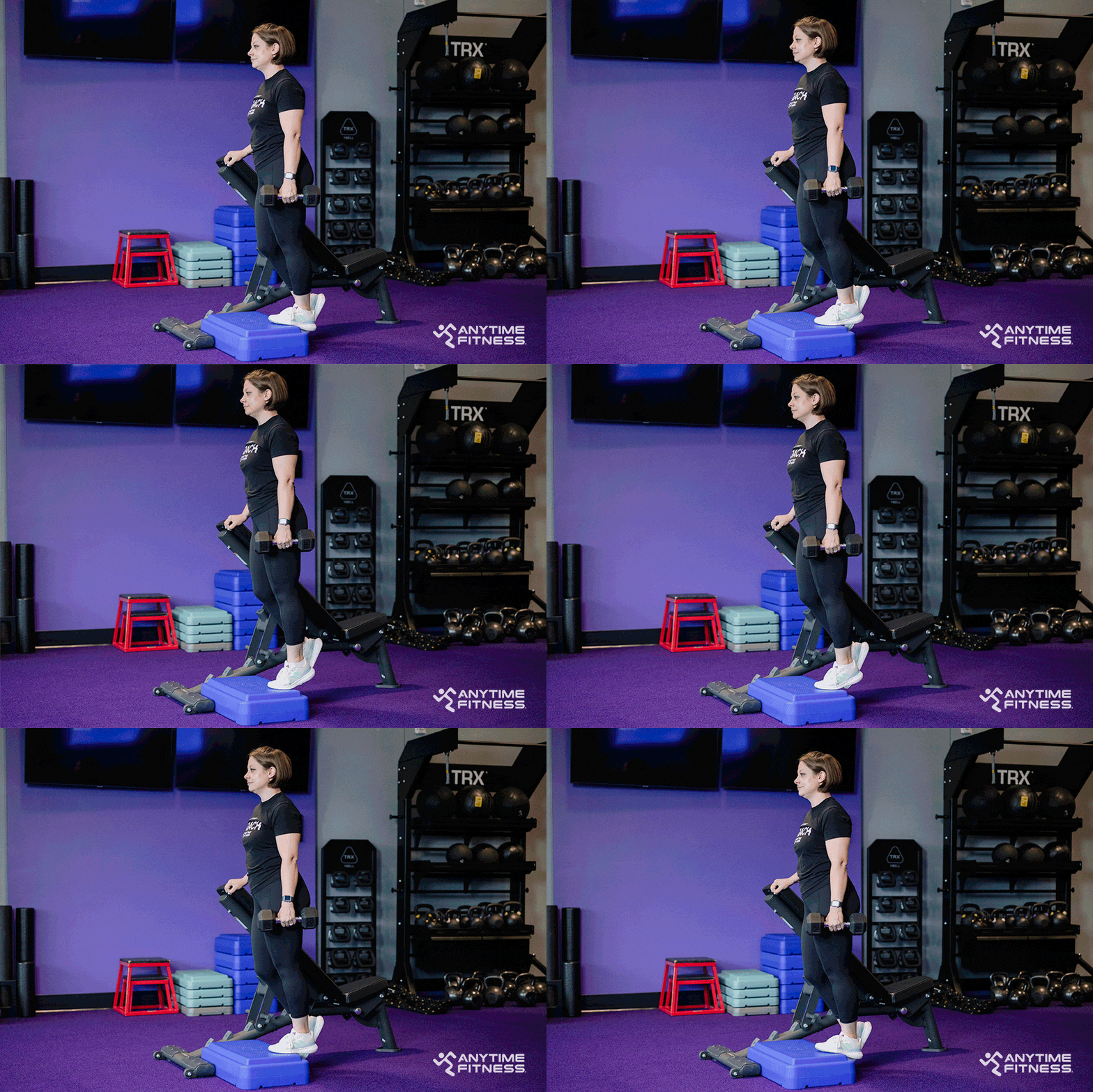
How to:
- Stand upright with your toes on the foot of a bench.
- Hold the weight in one hand, holding onto the bench with the other hand for balance.
- With control, lower your heel.
- Raise the heel and come up onto the toe.
Complete 3 sets of 6-12 reps per side.
Tip: This exercise is commonly rushed, so aim to complete each rep slowly and with control.
Building a healthier tomorrow starts with small steps today
While sarcopenia may be a common challenge as we get older, it’s not an inevitability. Taking time to do exercises like the ones above is a simple, yet powerful way to be proactive about your health, building strength, preserving mobility, and enhancing quality of life. By prioritizing movement and regular strength training, you can combat the effects of muscle loss and maintain your independence and vitality for years to come.
It’s always a good time to reflect on ways you can improve how you care for your body or continue what’s working well, and the focus areas that motivate you to make progress. At the end of the day, your health is your most valuable asset. Whether you’re younger or older, it’s never too late to start taking steps toward a healthier, stronger future!
Ready to take the first step toward a stronger you? An AF Coach can lead the way with one-on-one nutrition, training, and recovery advice. Get started with a personalized plan today.