

You know that totally buff look that says, “I lift.” Think: defined back muscles, strong shoulders, and flex-worthy biceps. If you’ve got aesthetic gym goals (in addition to feeling your strongest and supporting your long-term health, of course!), then here’s one of the must-haves in your gym workout: shoulder exercises for muscle growth and definition.
Consider this your guide to bigger, stronger shoulder muscles that not only look powerful, but make you feel more confident, too. We’ll cover:
- The anatomy of the shoulders
- How to build shoulder strength and definition with shoulder workouts
- How often to train shoulders
- 10 shoulder exercises for strength and definition
The anatomy of the shoulders
Before we get started, let’s talk about the specific shoulder muscles you need to know — and what they do for your body, functionally and aesthetically.
The compound movements and isolation exercises below work key upper-body and shoulder muscles for a well-rounded routine, including:
- Deltoids
- Trapezius
- Latissimus dorsi
- Rhomboids
- Teres major and minor
- Serratus anterior
Incorporating these exercises strengthens the muscles listed above and also leads to:
- Increased muscle size and definition
- Better overall athletic performance
- Increased stability
- Better mobility
- Reduced risk of injury
- Less joint pain
- Improved ability to do everyday tasks
Not to mention: a more “buff” appearance and defined shoulders, plus strength that carries you for years to come.
How often should you do shoulder workouts?
The frequency of your shoulder workouts depends on your goals. If you’re focused on changing body composition and building muscle, train your shoulders two to three times a week, splitting workouts between upper-body days and lower-body days.
Alternatively, if your goal is to maintain mobility, shoulder health, and range of motion, aim to train your shoulders one to two times a week.
No matter your workout goals, always allow your muscles time to rest and recover after weighted exercises to help prevent injury and promote muscle repair. (Especially if your goal is bigger, more defined muscles!)
Isolation + compound movements = strong shoulder muscles
The shoulder complex is just that — complex. Your shoulder joint moves in multiple directions, so it’s important to train your shoulders in several planes of motion and with a variety of exercises. Performing both compound lifts (engaging two or more primary joints) and isolation exercises (targeting one muscle group) can help with injury prevention, building stronger muscles, and supporting the joint overall.
Compound lifts are best for building overall shoulder size, strength, and density — they’re effective for heavier loading and progressive overload. On the other hand, isolation exercises are ideal for building stability and shaping the different heads of the deltoid to correct muscular imbalances.
Examples of compound lifts for shoulders:
- Barbell overhead press
- Seated overhead press
- Landmine press
- Upright row
- Arnold press
- Overhead carry
- Face pulls
Examples of isolation exercises for shoulders:
- Single-arm lateral raise
- Bent-over rear delt fly
- Single-arm cable front raise
The best shoulder training split for strength and definition
A two-day shoulder split is ideal for building strength and definition, so you can focus on one specific phase of strength training on each day. In a five-day upper-/lower-body split, this might look like two upper-body days, two lower-body days, and one cardio-focused day, leaving a day or two for recovery and light cardio.
Day one (strength and hypertrophy): Perform a high volume of sets with fewer reps for compound movements. For isolation exercises, perform fewer sets with higher reps.
Day two (power): Focus on big lifts like the barbell overhead press and medicine ball slams for 3–4 sets of 3–5 reps, followed by different isolation exercises than day one.
A consistent workout split like this one — paired with a protein-packed diet and a regular cardio routine — can help you effectively increase muscle size, power, and definition.
Shoulder exercises for your upper-body workout
This shoulder workout features a variety of compound and isolation exercises and targets each of the major muscles in the shoulder complex.
1. Barbell overhead press
Muscles worked: Delts, traps, triceps, core | Lift type: Compound
.gif)
How to:
- Unrack the barbell and hold it at shoulder height in front of you.
- Keeping your core braced and lower body steady, slowly press the barbell overhead, stopping when your arms are straight.
- With control, lower the barbell back down to the starting position.
Repeat for 2–4 sets of 5–10 reps.
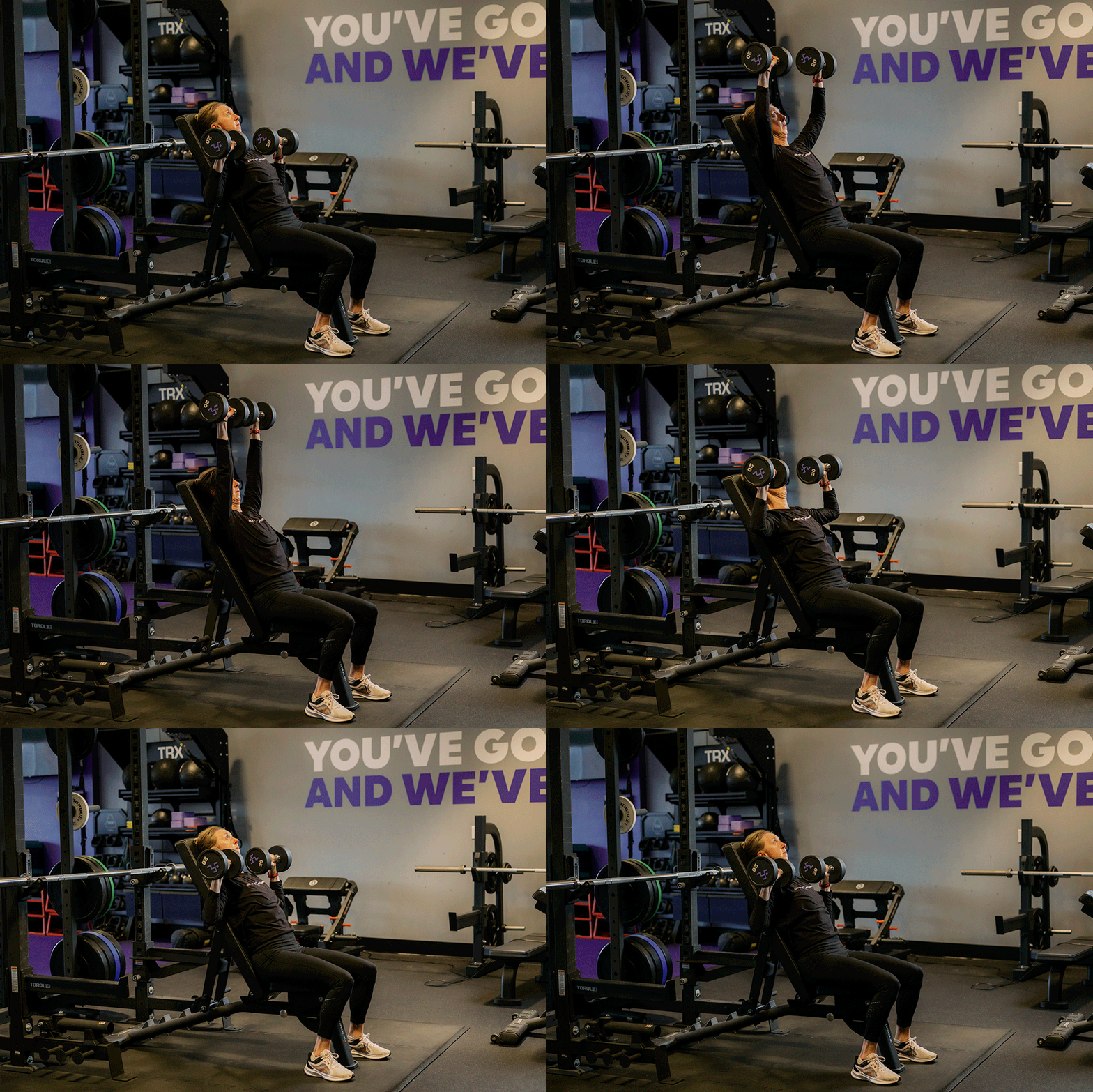
2. Seated overhead press
Muscles worked: Delts, pecs, traps, triceps | Lift type: Compound
How to:
- Using two dumbbells, seat yourself on a bench with the back raised. Keep your feet flat on the ground and lower back on the bench.
- Hold the dumbbells just above shoulder height with your palms facing outward.
- Slowly press the dumbbells overhead while bracing your core. Stop when your arms are straight overhead.
- With control, lower the dumbbells back to the starting position.
Repeat for 2–4 sets of 5–10 reps.
3. Landmine press
Muscles worked: Delts, pecs, triceps | Lift type: Compound
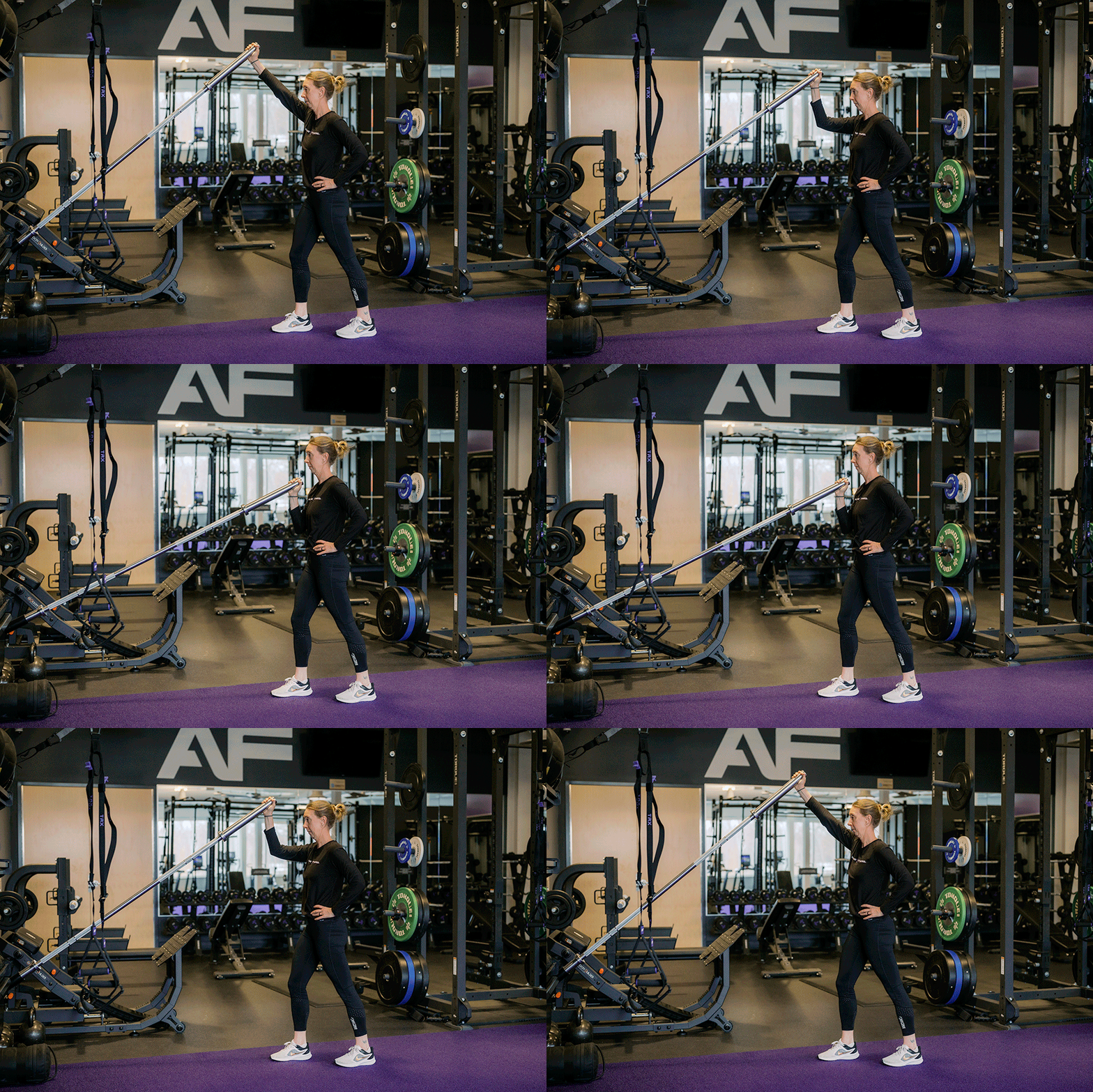
How to:
- Grab an empty barbell and find an area in the gym with ample space.
- Raise one end of the barbell up to shoulder height with one arm. Keep your feet in a split stance, with your opposite foot forward.
- Drive the barbell forward, extending your arm fully.
- Slowly return the barbell to the starting position.
- Switch sides and repeat after you’ve completed all repetitions on one side.
Repeat for 2–4 sets of 5–10 reps on each side.
4. Upright row
Muscles worked: Delts, traps, rhomboids | Lift type: Compound
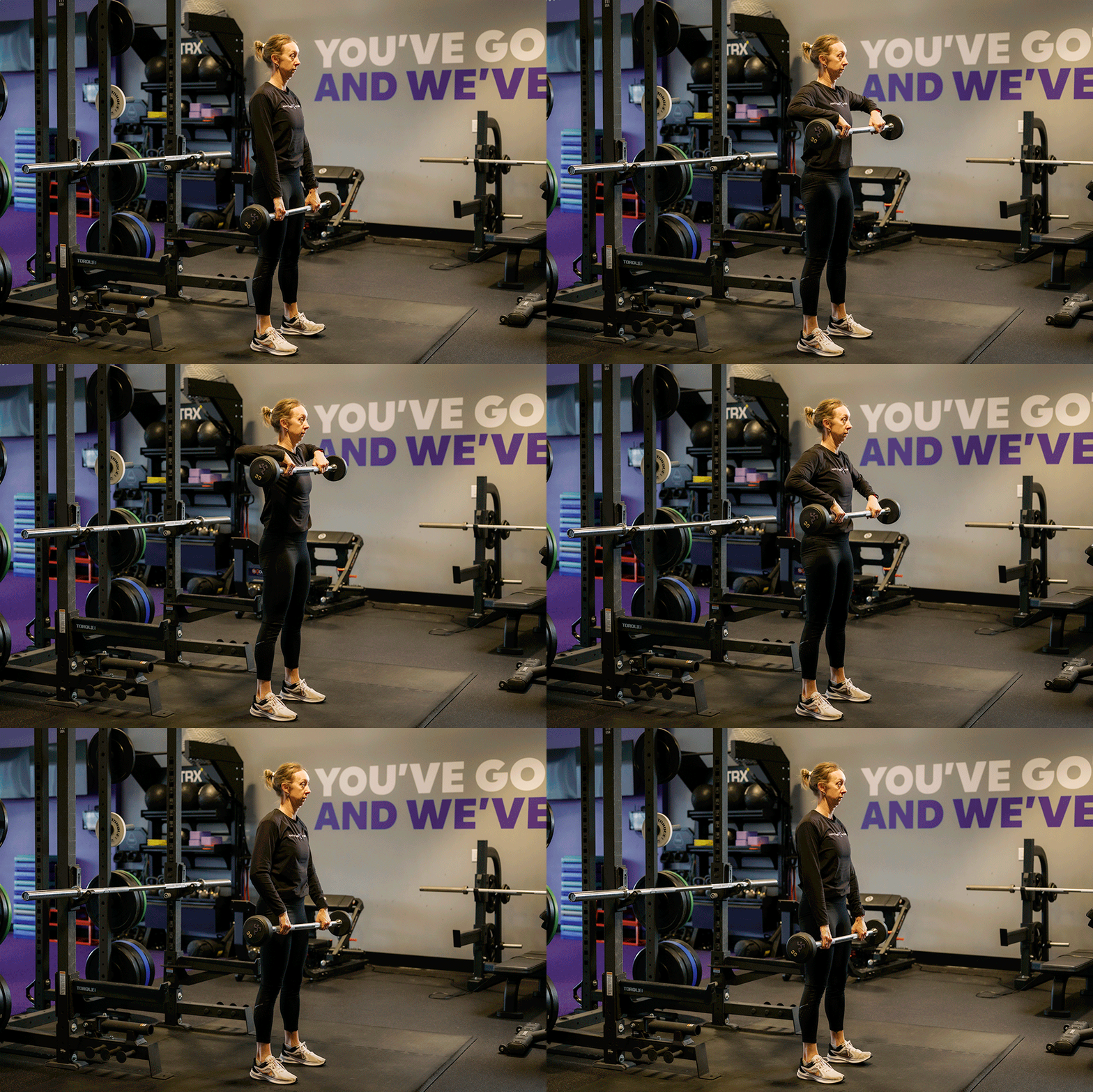
How to:
- Hold a fixed barbell at your waist with your palms facing backward.
- Keeping your lower body steady, bend your elbows upward to 90 degrees to raise the barbell. Avoid shrugging your shoulders.
- Slowly return the barbell to the starting position.
Repeat for 2–4 sets of 5–10 reps.
5. Arnold press
Muscles worked: Delts, triceps, traps, pecs | Lift type: Compound
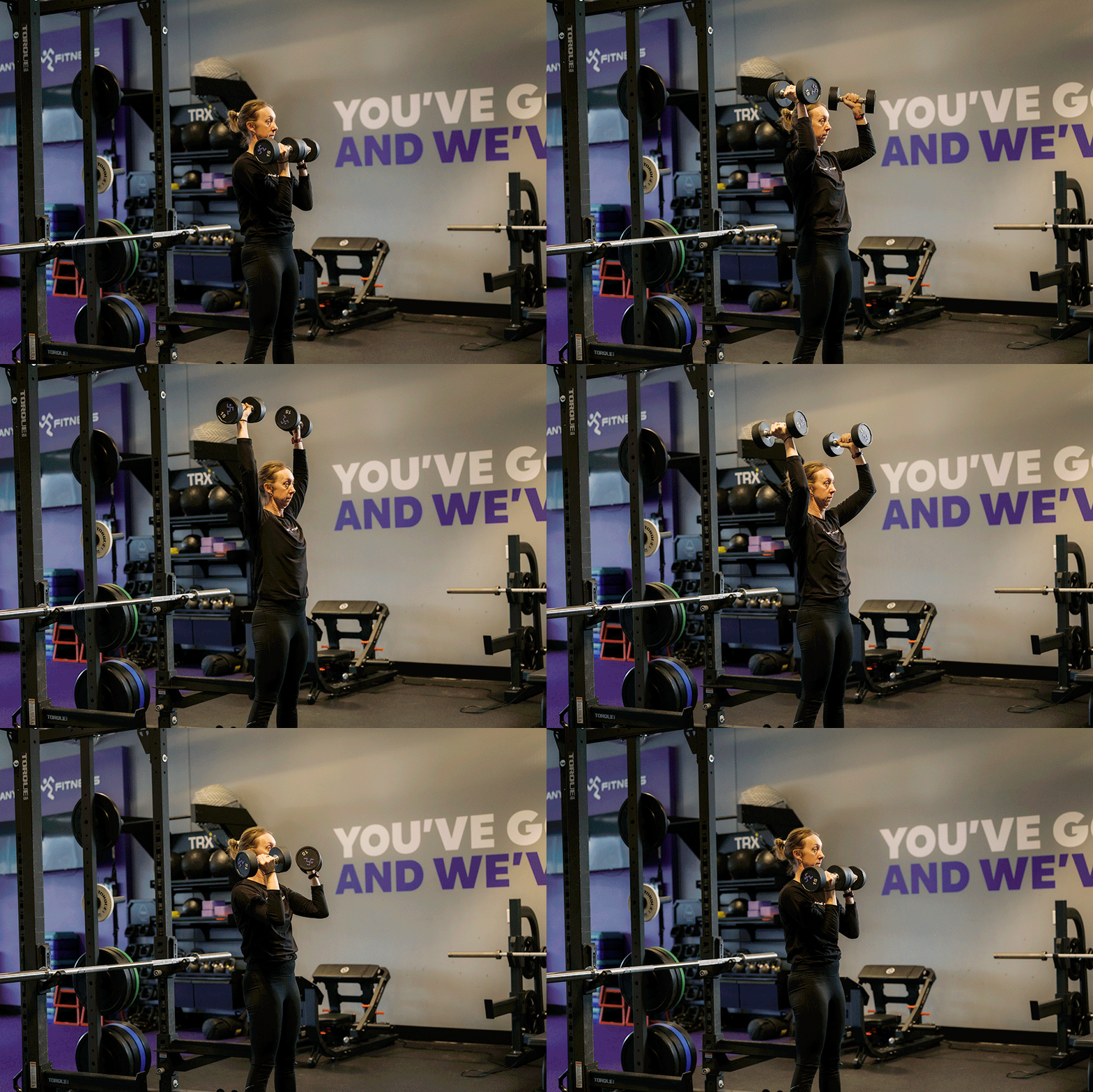
How to:
- Stand with your feet hip-width apart, holding two dumbbells at shoulder height with your palms facing inward.
- Slowly press the dumbbells overhead, twisting your arms until your palms are facing outward and your arms are straight.
- Reverse the movement and return the dumbbells to the starting position.
Repeat for 2–4 sets of 6–12 reps.
6. Single-arm lateral raise
Muscles worked: Delts, traps, serratus anterior | Lift type: Isolation
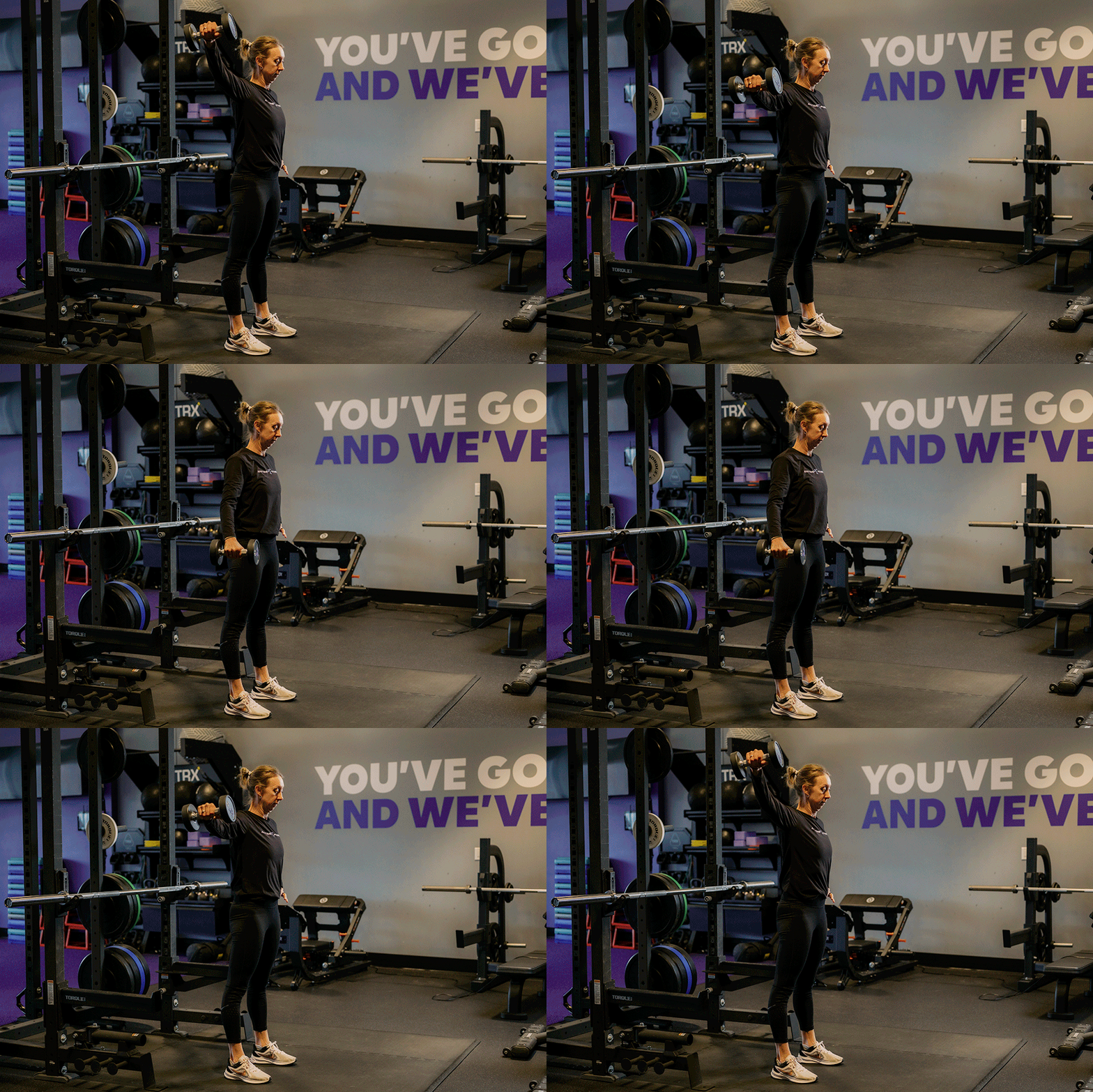
How to:
- Hold a single dumbbell in one hand at your side and stand with your feet hip-width apart.
- Using your free arm as a counterbalance, slowly raise the dumbbell laterally until it reaches shoulder height. Avoid swaying and brace your core throughout the movement.
- Slowly lower the dumbbell back down with control.
Repeat for 2–4 sets of 5–10 reps on each side.
7. Bent-over rear delt fly
Muscles worked: Delts, traps, rhomboids | Lift type: Isolation
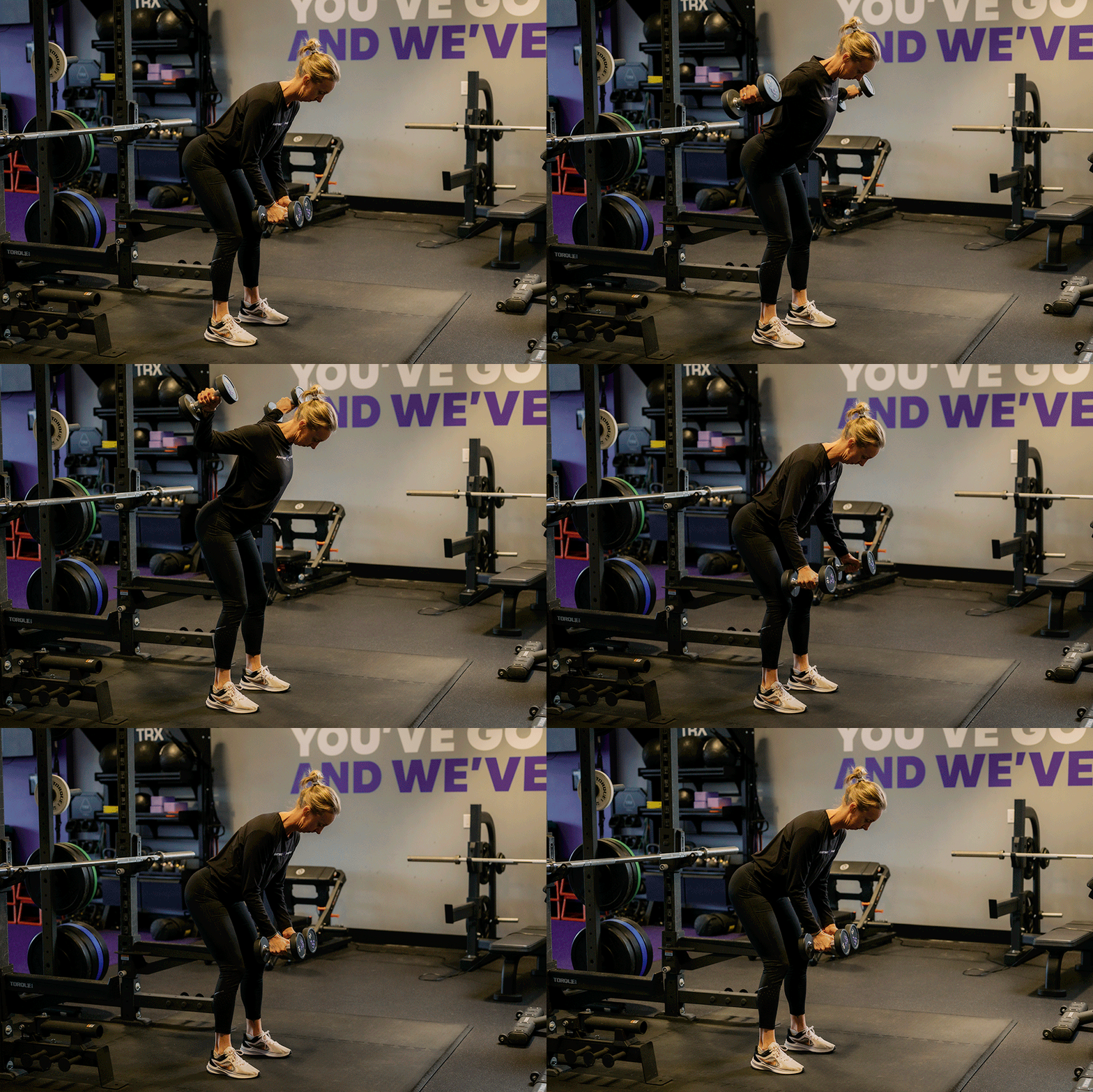
How to:
- Hold a dumbbell in each hand and hinge at your hips with your feet hip-with apart. Let the dumbbells fall in line with your shoulders.
- Engage your upper back and core as you slowly raise the dumbbells upward, like a bird flapping its wings.
- With control, lower the dumbbells back to the starting position.
Repeat for 2–4 sets of 5–10 reps.
8. Single-arm cable front raise
Muscles worked: Delts, pecs, traps | Lift type: Isolation
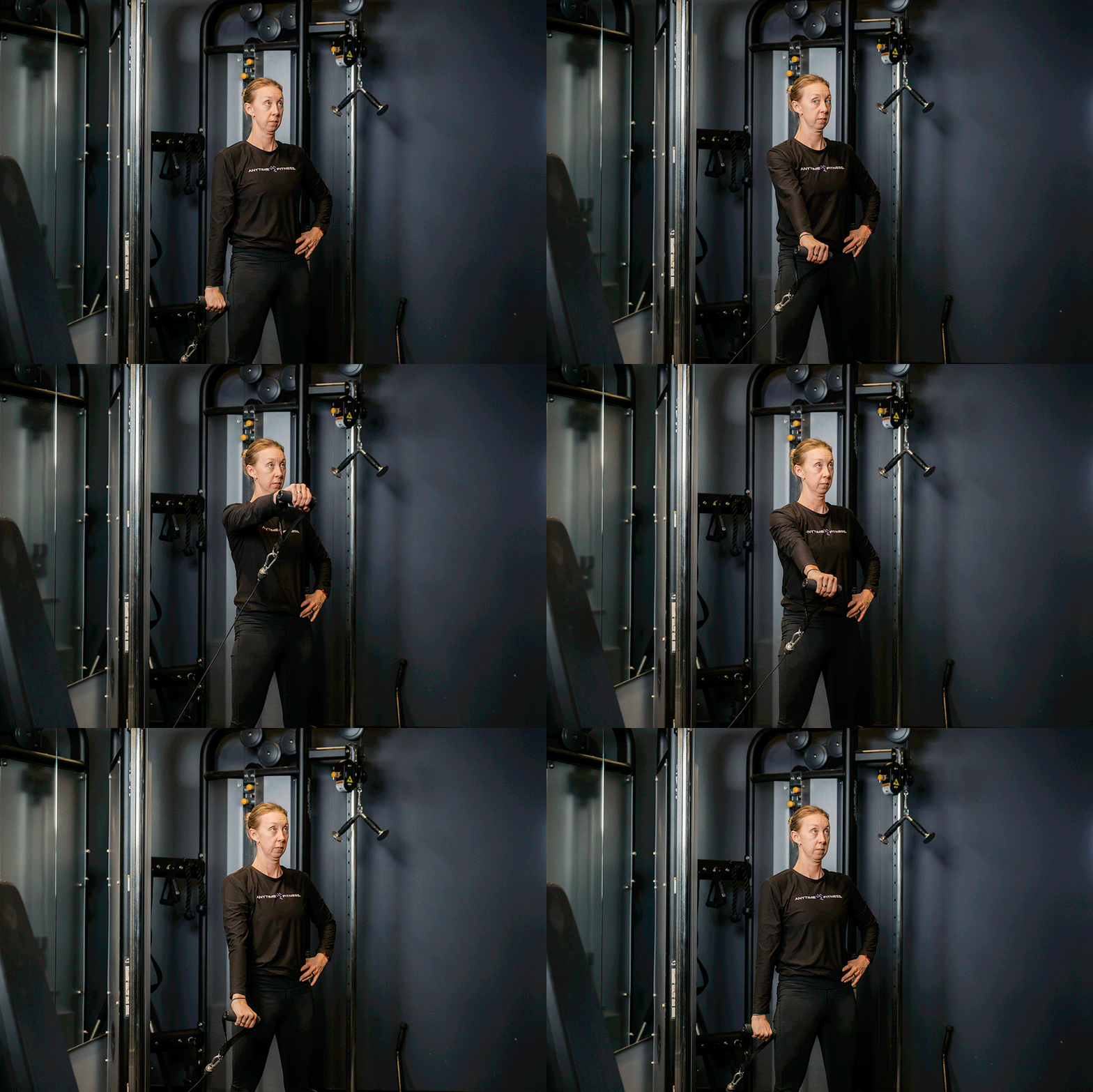
How to:
- Attach a hand grip to a cable and anchor it to the ground.
- With your body facing away from the cable machine, grip the cable in one hand at hip height.
- Slowly raise the cable upward in front of you until it reaches shoulder height. Keep your arm straight throughout the movement.
- With control, lower the cable back to the starting position.
Repeat for 2–4 sets of 5–10 reps on each side.
9. Face pull
Muscles worked: Delts, rhomboids, traps | Lift type: Compound
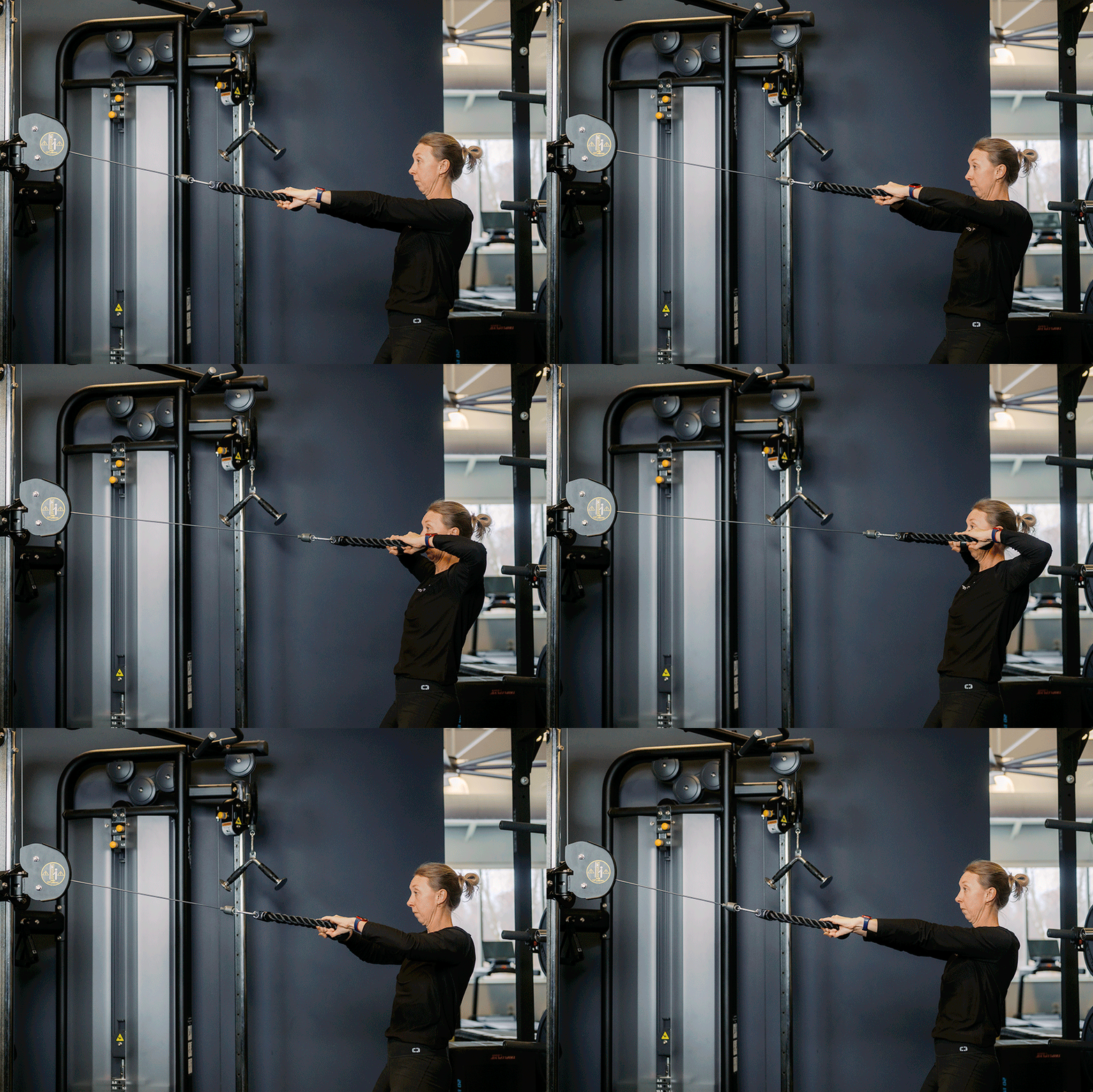
How to:
- Using a rope attachment on the cable machine, stand a few feet away from the machine with your feet in a split stance. Hold the rope in front of your body at eye level.
- Keeping your lower body steady, pull the cable back toward your head, keeping your elbows at a 90-degree angle.
- Slowly return the cable back to the starting position.
Repeat for 2–4 sets of 8–15 reps.
10. Overhead carry
Muscles worked: Scapular muscles, delts, core | Lift type: Compound
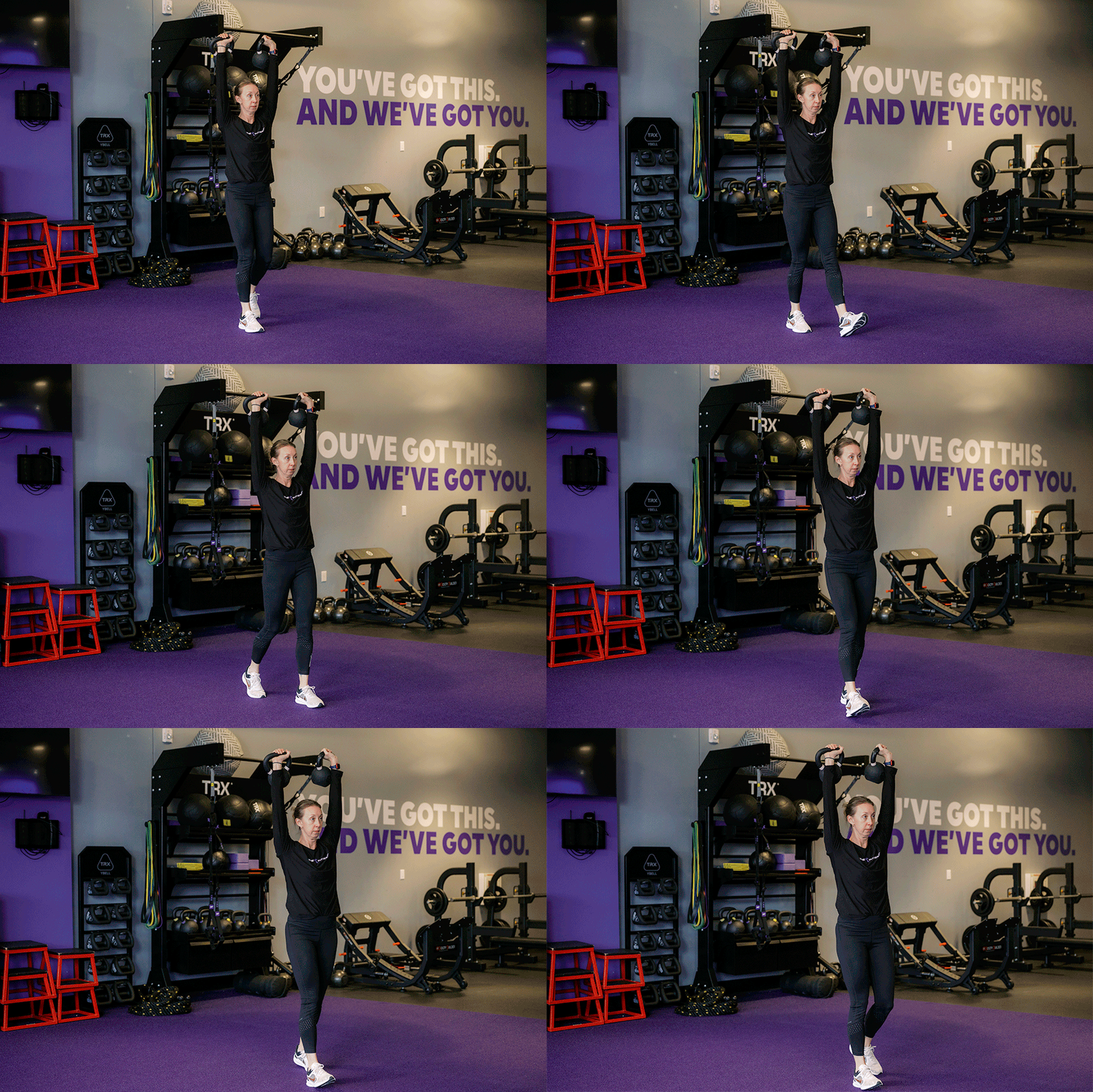
How to:
- Hold two kettlebells in a rack position with your arms straight above your head. Avoid shrugging your shoulders.
- Walk forward, keeping your back muscles and shoulders engaged.
Carry the kettlebells for 2–5 periods of 10–30 seconds.
[boxout]
Bonus: Shake up your workouts with shoulder machines
Machines are an often-overlooked tool for building bigger, stronger, more defined shoulders. Think of them not as a replacement for free weights and barbells, but as a powerful complement. Machines can help you refine your form and technique for certain lifts, isolate specific shoulder muscles, and push your muscles to failure safely to maximize your results.
Some of our favorite shoulder machines include:
- Lateral raise machine: The lateral raise machine isolates your deltoids for improved stability and definition.
- Lat pulldown machine: As the name implies, the lat pulldown machine helps target your latissimus dorsi muscles for greater definition.
- Shoulder press machine: This machine also isolates and stabilizes your deltoids as well as the triceps.
- Smith machine: The Smith machine isn’t just for beginners. These exercises can target nearly every shoulder muscle — including the lats, traps, delts, and serratus anterior.
[/boxout]
How to build shoulder strength and definition
Ultimately, the best shoulder routine for increasing muscle strength and definition is a consistent one. By balancing upper-body and shoulder exercises with a regular cardio routine, a protein-rich diet, and time for rest and recovery, you can achieve that “buff” appearance and not only look strong now, but feel powerful and more confident for life. (We won’t blame you for filling your camera roll with gym mirror selfies!)
More strength and muscle growth tips for you
- Maintain Strength: Take Rest Days for Muscle Growth
- Should You Do a Deload Week? Unlock Strength With These Strategies
- Unexpected Dead Hang Benefits You Don’t Want to Miss
- Progressive Overload: The Strength Principle You Need to Know
From the best shoulder exercises for muscle growth to how to perfect your barbell press, our Coaches are here to help you get the most out of every workout. Connect with a Coach to get started with a personalized training, nutrition, and recovery plan.