


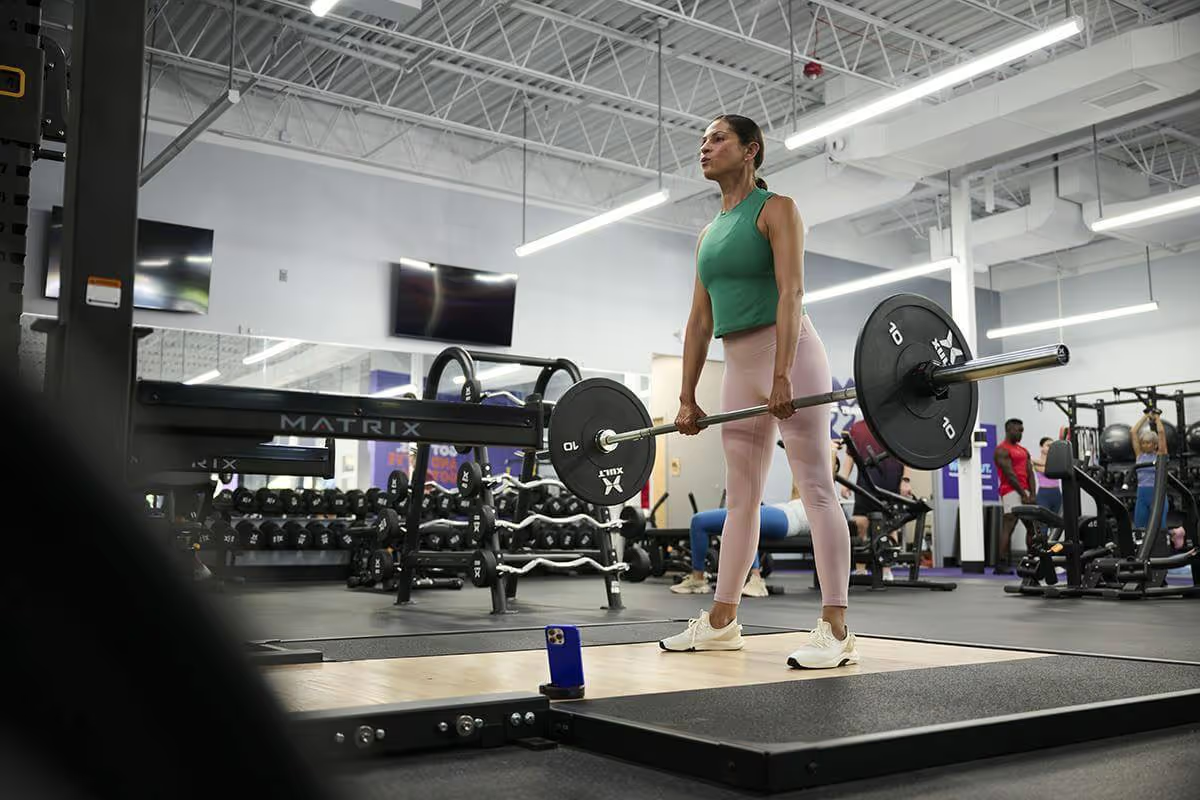
Want to build strength, improve your muscular endurance, and prevent muscle loss (which is crucial on a GLP-1)? Start small. That’s where a process called progressive overload comes in. Using the principles of progressive overload can help you effectively build and maintain muscle mass to make everyday activities easier, improve quality of life, and increase your overall performance and health. Ready to learn how it works?
Let’s talk about:
- What is progressive overload?
- The benefits of progressive overload
- The science behind progressive overload
- Four key variables of progressive overload
- Seven progressive overload safety tips
What is progressive overload?
Put simply: Progressive overload is the process of gradually increasing the challenge level of your workouts by adding intensity, volume, or both to promote strength, increase muscle growth (aka hypertrophy), and build muscular endurance.
The benefits of progressive overload you might be missing
The benefits of progressive overload training go beyond strength and muscle mass. When you follow the principles of progressive overload (and cycle through the proper phases of training based on your goals), you can expect:
- Less risk of injury and overtraining because you’ve prepared your body for increasingly challenging workouts.
- More visible progress in strength, muscle mass, and endurance due to systematic changes in your training program.
- Increased confidence and motivation to continue with a strategic program that supports your goals.
What does overloading your muscles accomplish?
Let’s talk about the science behind the process. Your body is constantly adapting to the conditions around you and the stimuli it receives. In the context of strength training, the resistance placed on your muscles is a stimulus that prompts your body to adapt. This happens in a three-stage process called general adaptation syndrome:
- Alarm reaction: This is your body’s initial response to positive or negative stress, which lasts six to 48 hours post-workout. During this time, your body releases hormones like adrenaline and cortisol. This phase can include stiff and sore muscles.
- Resistance development: This phase occurs after repeated exposure to a stimulus, like three sets of 10 reps of 155-pound back squats. Over time, your body adapts by building more muscle fibers, a stronger mind-muscle connection, and increased blood flow to the target muscles. This gradually increases your muscle mass and grows your capacity to perform more work over time.
- Exhaustion: The final phase is caused by overtraining — and it’s one you want to avoid. Your body naturally sends signals like tiredness and hunger to help you know when to focus on recovery. Pushing past those signals and training past what your body can tolerate can lead to exhaustion, including muscle strain, joint pain, injury, and even emotional fatigue.
This process is at the heart of progressive overload training — if you level out at a certain weight or intensity in your workouts, your muscles won’t be challenged enough to adapt and grow. This is why you need to gradually increase the challenge (i.e., weight or volume) of your workouts to build strength and muscle mass.
Progressive overload and GLP-1s
Can you practice progressive overload if you’re taking a GLP-1 medication? Yes! In fact, training to increase muscle mass is an important part of a GLP-1 exercise program because muscle loss is a common side effect of weight-loss medications.
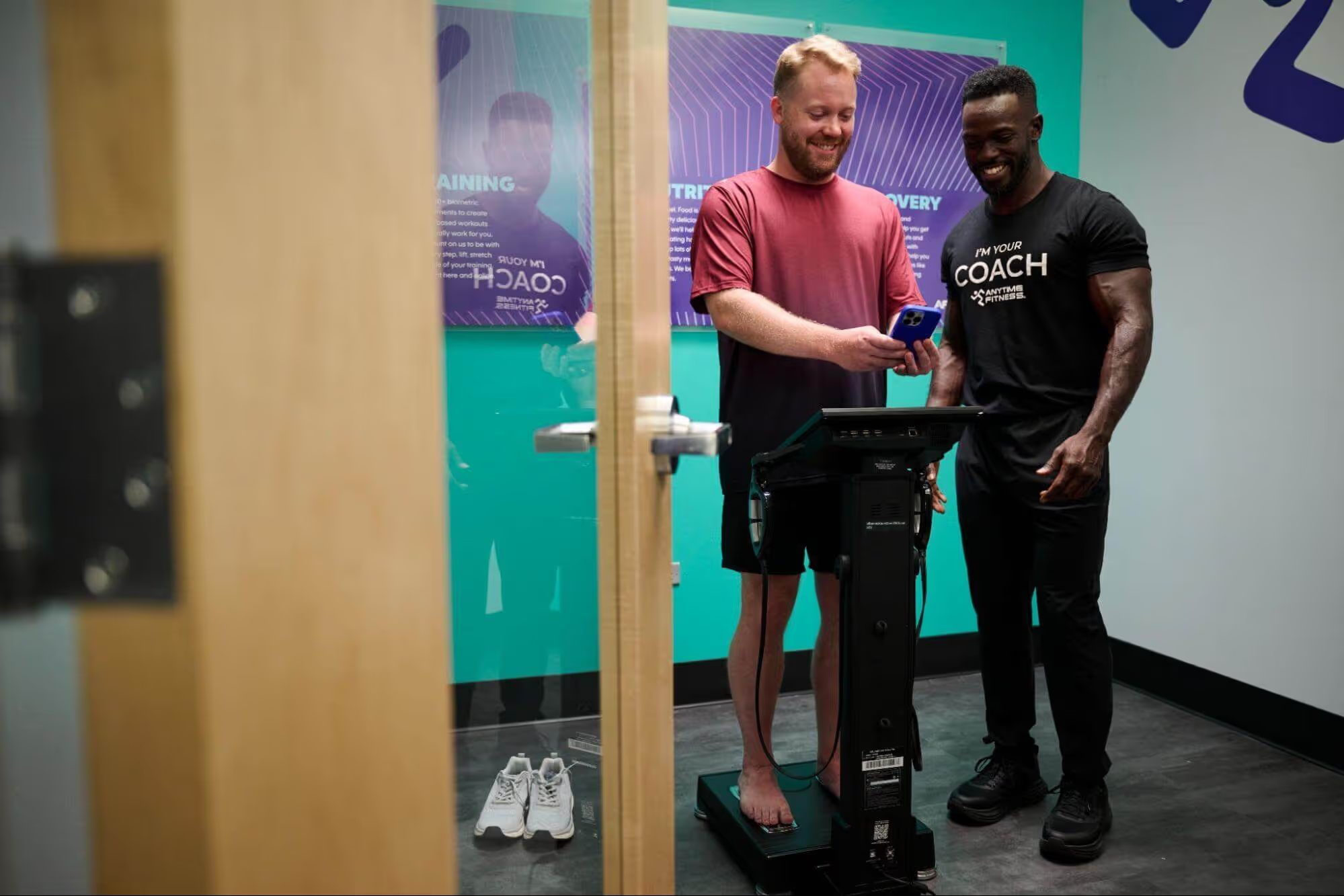
Our gyms have the tools you need to practice progressive overload — including the Evolt 360 body composition scanner which gives more than 40 unique measurements, from lean body mass to bone density. Regularly scanning your body with the Evolt can help you ensure your training plan is working and that your muscle mass isn’t decreasing as a result of decreased nutritional intake. Ask an Anytime Fitness Coach how an Evolt scan can help you make progress toward your fitness goals.
Related: Why the Evolt Has a Place in Your Health Journey
How to: Progressive overload variables to build strength
First: Remember that progressive overload doesn’t exclusively mean lifting progressively heavier weights over time — there are several variables, and each one can be systematically adjusted in your training plan to improve performance. The more intentional you can be about making these program adjustments, the better — taking a systematic approach to your training program allows you to track the impact of your training variables on your results and adjust as necessary.
Here’s an overview of the four main variables of progressive overload training:
1. Volume
Volume = sets x reps x weights lifted. You can increase the number of sets per muscle group, the number of reps per set, or the amount of weight you’re lifting to practice progressive overload. Try adding one to two reps per week or adding an extra set to your workout.
How many sets should you start with? Aim for eight to 15 sets per muscle group per week, keeping in mind that compound movements target multiple muscle groups at once. For muscles that are a priority for you based on your goals and any areas that need extra strengthening, aim for closer to 15 sets per week.
If you’re not sure which muscle groups to focus on, try a free fitness consultation with a Coach at your local Anytime Fitness for a movement assessment and a personalized plan.
2. Rep tempo
Changing the tempo of your reps (i.e., consciously controlling how quickly you raise and lower a weight) could impact the speed of your muscular development. Slower reps mean more time under tension (TUT), and while the verdict is out on the effects of TUT on muscle growth, a 2022 study stated that training volume and TUT cannot be considered separately when evaluating neuromuscular adaptations.
3. Exercise selection
One way to practice progressive overload is to move from simple to more complex forms of an exercise as your muscles adapt. This can be especially helpful and effective if you’re new to strength training or coming back from a long break. Here are two progressive overload examples:
- Push-ups > Dumbbell floor press > Barbell bench press
- TRX squat > Kettlebell goblet squat > Barbell back squat
4. Training frequency
Progressive overload could also mean working out more. Think: Going from three workouts per week to four or increasing the number of sets per muscle group. For example: If you regularly bench press for two sets of six reps, try adding a third set to your next workout.
Reminder: Pay attention to how your body responds to more frequent training — and take a rest day if you’re feeling overly sore or exhausted.
Get a customized training plan in the Anytime Fitness App
What if we told you that you could have a personalized workout plan in your back pocket? It’s true!
The Anytime Fitness App follows principles of periodization and progressive overload and creates a unique training plan based on your preferences — including your goals, fitness level, and the equipment you have access to. And with an AF membership, you have access to everything you need in our gyms, from curl bars and weights to Coaches that help every step of the way.
Bonus: Tracking your workouts in the App helps you see your progress over time and stay motivated.

How many reps should you do for progressive overload?
There’s no hard-and-fast rule for how many reps to do for progressive overload. As long as you’re exposing your body to increasingly challenging workouts over time (even if you add just one additional rep to your current workout), that’s progressive overload!
If your goal is to boost calorie burn and increase endurance and stamina, you'll want add sets and reps rather than increase the weight you're lifting.
On the other hand, if your goal is to increase your strength and muscular size, you'll want to focus on lifting heavier weights (more on that below!).
The 2 for 2 rule
How do you know when your body is ready for more of a challenge, like a heavier weight? The “2 for 2” rule can help. Here’s how it goes: If you can do two reps on top of your goal reps for two weeks in a row, consider using a heavier weight for your next workout.
For example: If your goal is eight reps with a 30-pound dumbbell but you can do 10 without sacrificing your form or reaching fatigue, it’s time to move to a 35-pound dumbbell.
Are there any risks to progressive overload?
While the benefits of progressive overload outweigh the risks, overtraining and injury are possible during any strength training activity. As you increase the volume or frequency of your workouts, watch for these signs of overtraining:
- Persistent fatigue
- Frequent illness
- Digestive issues
- Insomnia or sleep disturbances
- Mood changes
- Elevated heart rate and blood pressure
If you experience symptoms of overtraining, take time to rest and tap into this guide to recovery. To practice progressive overload safely, use these tips to prevent overtraining and maximize your results.
7 progressive overload safety tips
- Follow the principles of periodization. Build a strong foundation by following the stages of periodization training in order. Start with Phase 1 (stabilization) before moving to Stage 2 (strength endurance) to prepare your body for Stage 3 (muscular development).
- Gradually increase your training load over time. Aim to increase your load by 10% or less each week to avoid injury and overtraining. If you need to stay at a certain volume for a few weeks to feel confident before moving to a higher volume, that’s okay!
- Train in all planes of motion. Many people focus on front-to-back movements (think: curls or lunges), but be sure to include side-to-side and rotational exercises in your program to keep your muscles challenged and promote muscular balance.
- Add mobility and flexibility exercises to your warm-ups. Mobility and flexibility drills loosen up tight muscle groups and improve your range of motion to prevent injury and improve your form.
- Prioritize rest and recovery. While your muscles need to be regularly challenged with new stimuli to build strength, they also need time to recover and repair after workouts. In fact, skipping rest days could hinder your progress.
- Fuel your workouts with proper nutrition. As your workout intensity increases, so does your body’s need for fuel. Focus on getting lots of protein and carbs from whole-food sources to power your workouts and support recovery.
- Tap the pros for help. An Anytime Fitness Coach can help you fine-tune your approach to make sure your workout variables are dialed in to get you the best results. And if you have any current or previous injuries or chronic conditions, consult a doctor to ensure your training plan is realistic and sustainable.
Unlock your muscle gains with progressive overload
Progressive overload is your ticket to building real-life strength, growing muscle, and improving endurance for better performance and long-term health. Gradually increasing the intensity of your workouts pushes your body to adapt and become stronger over time — whether it’s by lifting heavier weights, adding reps, changing exercises, or simply increasing the frequency of your workouts.
Whether you’re going for a new PR or simply want to get stronger, remember that consistency is key to progress, and we’re here to keep pushing you to the next level.
More strength training tips for you
- How to Add More Protein to Your Diet: Smart Snack Hacks
- The Best Treadmill Workouts to Supplement Your Strength Routine
- Get Flexy With It: 6 Flexibility Exercises for Better Workout Results
What happens after your workout is just as important as what happens during. Use these Coach-approved tips to boost your recovery — and your results.