

You know that totally buff look that says, “I lift.” Think: defined back muscles, strong shoulders, and flex-worthy biceps. If you’ve got aesthetic gym goals (in addition to feeling your strongest and supporting your long-term health, of course!), then here’s one of the must-haves in your gym workout: shoulder exercises for muscle growth and definition.
Consider this your guide to bigger, stronger shoulder muscles that not only look powerful, but make you feel more confident, too. We’ll cover:
- The anatomy of the shoulders
- How to build shoulder strength and definition with shoulder workouts
- How often to train shoulders
- 10 shoulder exercises for strength and definition
The anatomy of the shoulders
Before we get started, let’s talk about the specific shoulder muscles you need to know — and what they do for your body, functionally and aesthetically.
The compound movements and isolation exercises below work key upper-body and shoulder muscles for a well-rounded routine, including:
- Deltoids
- Trapezius
- Latissimus dorsi
- Rhomboids
- Teres major and minor
- Serratus anterior
Incorporating these exercises strengthens the muscles listed above and also leads to:
- Increased muscle size and definition
- Better overall athletic performance
- Increased stability
- Better mobility
- Reduced risk of injury
- Less joint pain
- Improved ability to do everyday tasks
Not to mention: a more “buff” appearance and defined shoulders, plus strength that carries you for years to come.
How often should you do shoulder workouts?
The frequency of your shoulder workouts depends on your goals. If you’re focused on changing body composition and building muscle, train your shoulders two to three times a week, splitting workouts between upper-body days and lower-body days.
Alternatively, if your goal is to maintain mobility, shoulder health, and range of motion, aim to train your shoulders one to two times a week.
No matter your workout goals, always allow your muscles time to rest and recover after weighted exercises to help prevent injury and promote muscle repair. (Especially if your goal is bigger, more defined muscles!)
Isolation + compound movements = strong shoulder muscles
The shoulder complex is just that — complex. Your shoulder joint moves in multiple directions, so it’s important to train your shoulders in several planes of motion and with a variety of exercises. Performing both compound lifts (engaging two or more primary joints) and isolation exercises (targeting one muscle group) can help with injury prevention, building stronger muscles, and supporting the joint overall.
Compound lifts are best for building overall shoulder size, strength, and density — they’re effective for heavier loading and progressive overload. On the other hand, isolation exercises are ideal for building stability and shaping the different heads of the deltoid to correct muscular imbalances.
Examples of compound lifts for shoulders:
- Barbell overhead press
- Seated overhead press
- Landmine press
- Upright row
- Arnold press
- Overhead carry
- Face pulls
Examples of isolation exercises for shoulders:
- Single-arm lateral raise
- Bent-over rear delt fly
- Single-arm cable front raise
The best shoulder training split for strength and definition
A two-day shoulder split is ideal for building strength and definition, so you can focus on one specific phase of strength training on each day. In a five-day upper-/lower-body split, this might look like two upper-body days, two lower-body days, and one cardio-focused day, leaving a day or two for recovery and light cardio.
Day one (strength and hypertrophy): Perform a high volume of sets with fewer reps for compound movements. For isolation exercises, perform fewer sets with higher reps.
Day two (power): Focus on big lifts like the barbell overhead press and medicine ball slams for 3–4 sets of 3–5 reps, followed by different isolation exercises than day one.
A consistent workout split like this one — paired with a protein-packed diet and a regular cardio routine — can help you effectively increase muscle size, power, and definition.
Shoulder exercises for your upper-body workout
This shoulder workout features a variety of compound and isolation exercises and targets each of the major muscles in the shoulder complex.
1. Barbell overhead press
Muscles worked: Delts, traps, triceps, core | Lift type: Compound
[---GIF---]
How to:
- Unrack the barbell and hold it at shoulder height in front of you.
- Keeping your core braced and lower body steady, slowly press the barbell overhead, stopping when your arms are straight.
- With control, lower the barbell back down to the starting position.
Repeat for 2–4 sets of 5–10 reps.
2. Seated overhead press
Muscles worked: Delts, pecs, traps, triceps | Lift type: Compound
[---GIF---]
How to:
- Using two dumbbells, seat yourself on a bench with the back raised. Keep your feet flat on the ground and lower back on the bench.
- Hold the dumbbells just above shoulder height with your palms facing outward.
- Slowly press the dumbbells overhead while bracing your core. Stop when your arms are straight overhead.
- With control, lower the dumbbells back to the starting position.
Repeat for 2–4 sets of 5–10 reps.
[h3] 3. Landmine press
Muscles worked: Delts, pecs, triceps | Lift type: Compound
Try this: Shoulder joint mobility test
If you’ve been experiencing tightness or discomfort when working out, it might be time to test the current state of your shoulder mobility. This can help you identify any areas that need attention, reveal muscle imbalances, and more. Follow these quick steps to evaluate your shoulders’ current condition:
- Stand tall.
- Reach one arm behind your head and the other behind your back.
- Try to touch your fingertips together.
If your fingers can touch or even clasp together in this position, it’s a sign your mobility is in good condition. However, if your fingers cannot reach and you experience pain in your chest, lats, or shoulders, take note of where it feels tight.
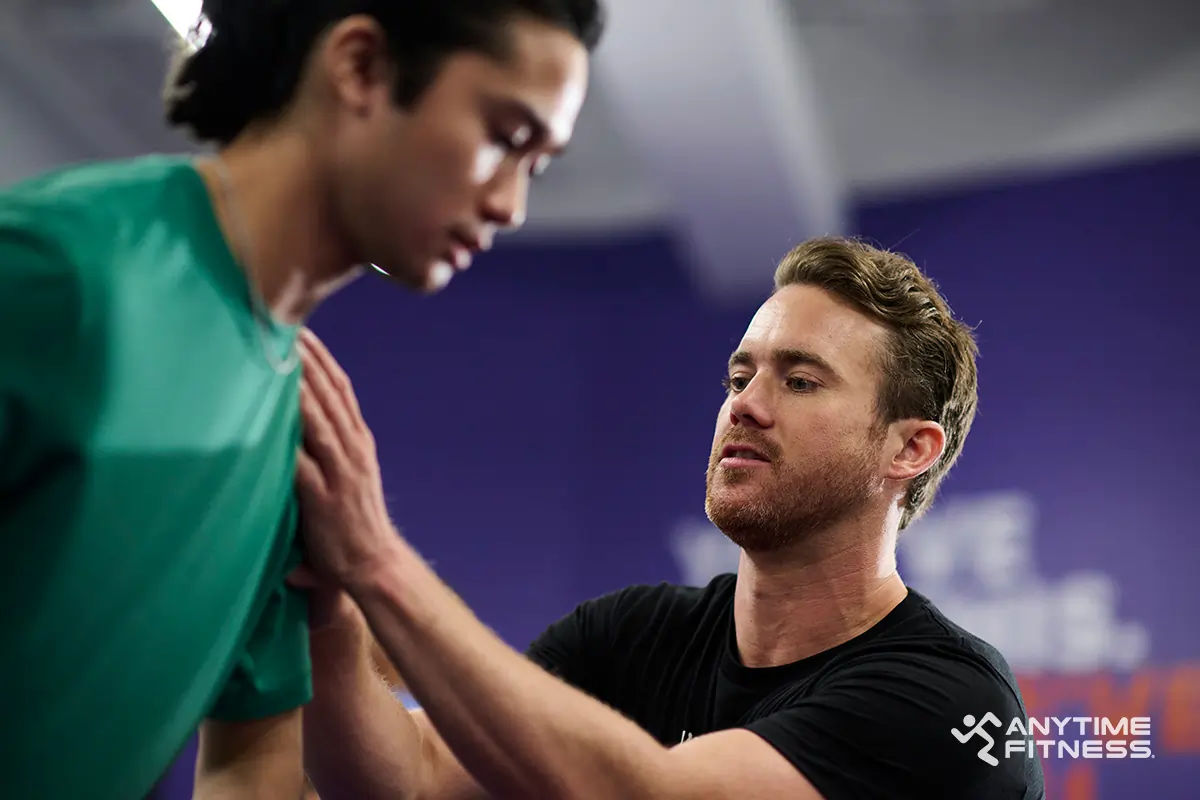
If you want to improve your shoulder mobility but you’re not sure where to start, ask an Anytime Fitness Coach! They can take you through a fitness consultation and movement assessment to discuss your personal fitness and mobility goals. From there, you’ll work together to create a safe, personalized plan for strength and mobility in your shoulder muscles. However, if you are experiencing persistent pain throughout your training, it may be time to visit a licensed medical professional.
How to know when you should see a physical therapist for shoulder pain during perimenopause
If you have serious concerns about your shoulder pain, consider seeing a healthcare professional. Early evaluation can prevent long-term or permanent restriction and get you back to pain-free movement sooner. Seeing a licensed physical therapist is recommended if you are experiencing any of the following symptoms:
- Sharp pain
- Numbness
- Pain that prevents or disrupts sleep
- Decline in range of motion, even with mobility training
How mobility exercises help relieve frozen shoulder pain during perimenopause
If you’ve identified mobility issues or simply want to improve your shoulder mobility, it’s time to incorporate shoulder exercises into your routine. Mobility training improves blood flow, maintains collagen health, and keeps muscles active and strong. In other words: Movement is medicine for your joints. By moving your shoulders through full, controlled ranges, you help prevent the “sticky” feeling that comes with long periods of inactivity or hormonal transition.
The 10 best shoulder mobility exercises for women in perimenopause
Perform each of the following moves for two to three sets of eight to 12 slow reps, or holding stretches for 20 to 30 seconds. Rather than force or speed, the goal is to practice control.
1. Scapular wall slides
Benefits: Builds postural strength and mobility.
How to: Stand with your back against a wall, arms in a “W” shape. Slide your arms overhead while keeping in contact with the wall.

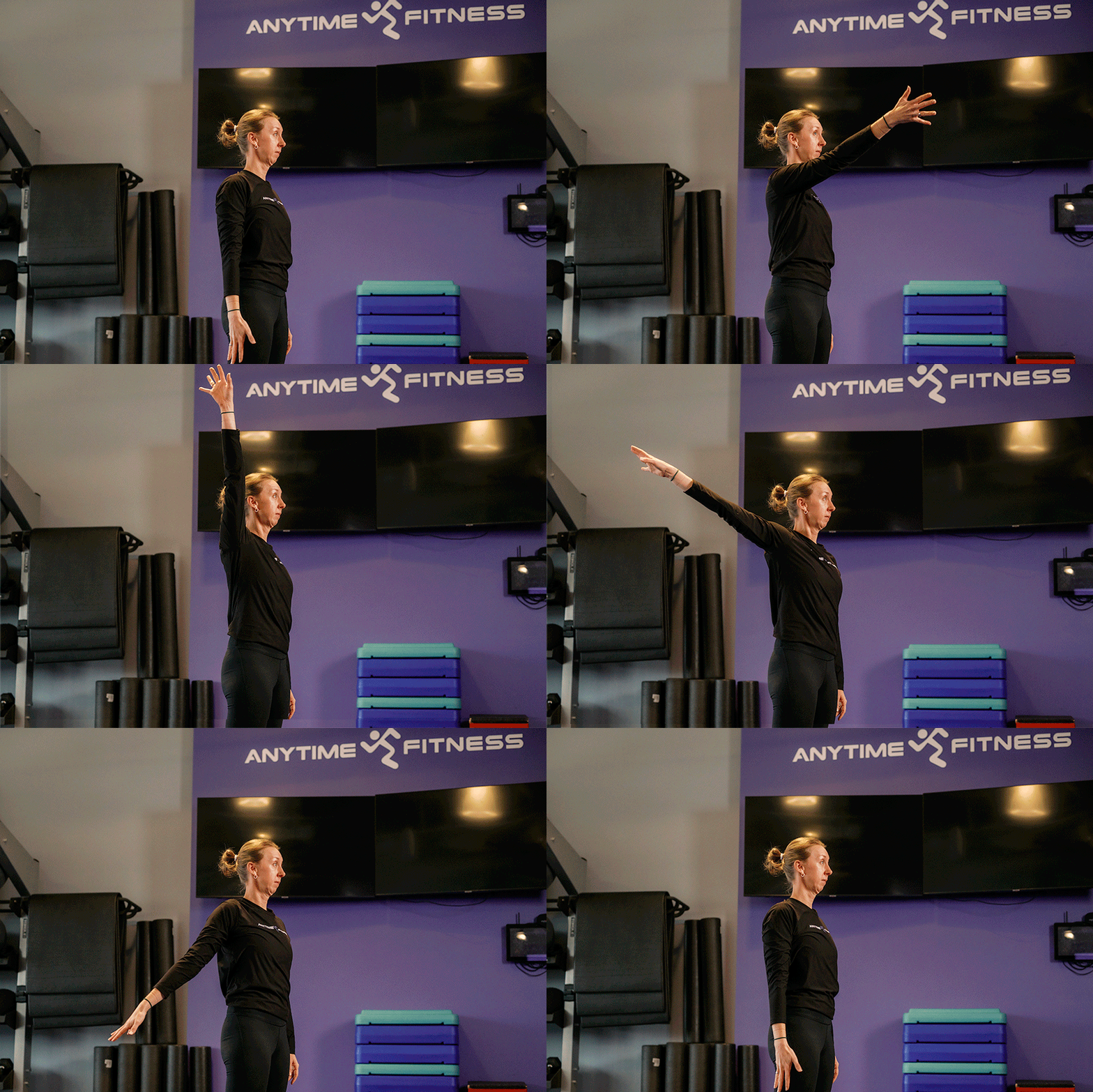
2. Shoulder circles
Benefit: Improves joint control.
How to: Move one arm in a slow, full circle while keeping your torso still. Complete all reps on one side before moving to the other.
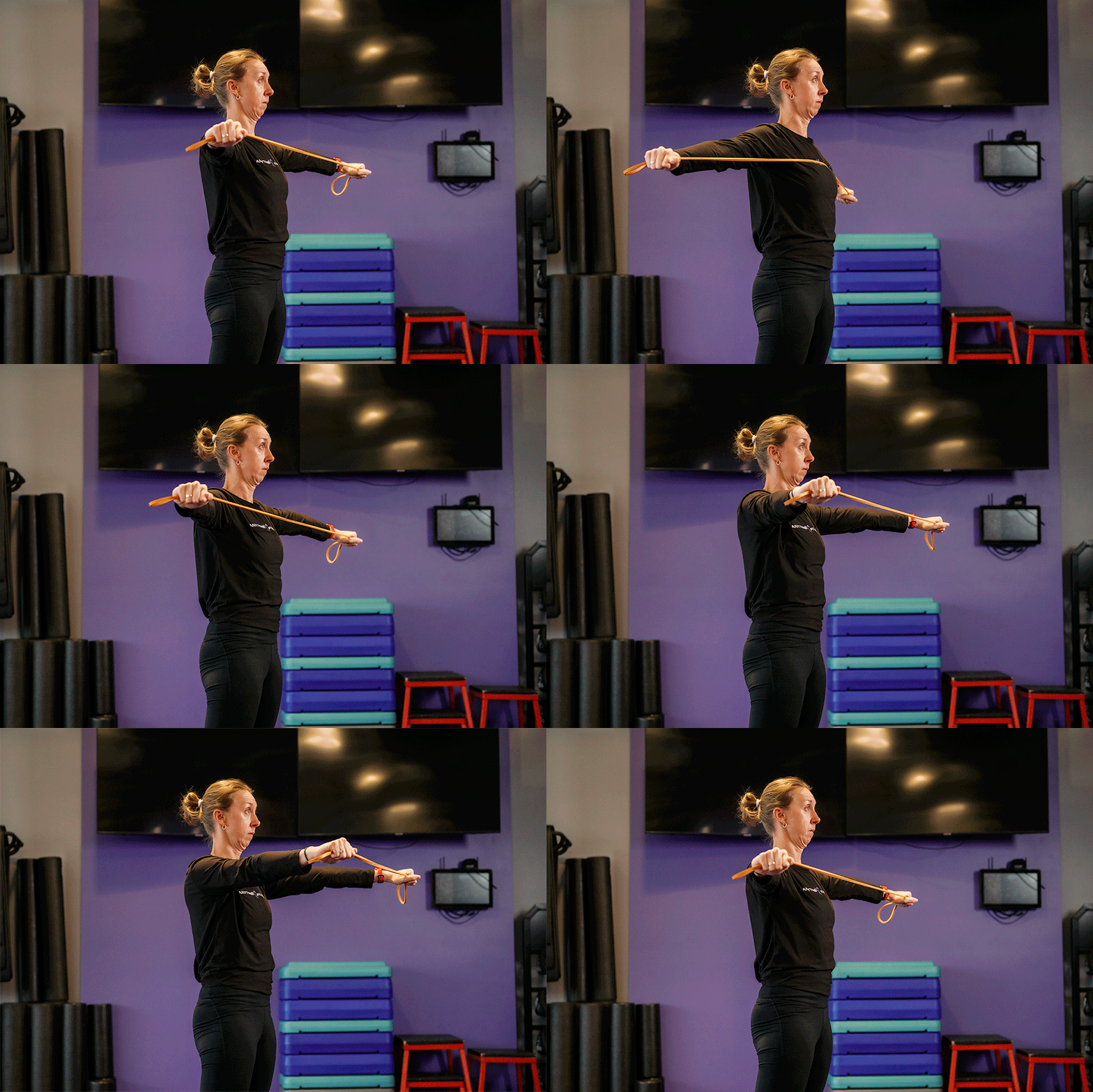
3. Band pull-aparts
Benefit: Strengthens the upper back.
How to: Hold a resistance band at chest height and pull it apart while squeezing your shoulder blades
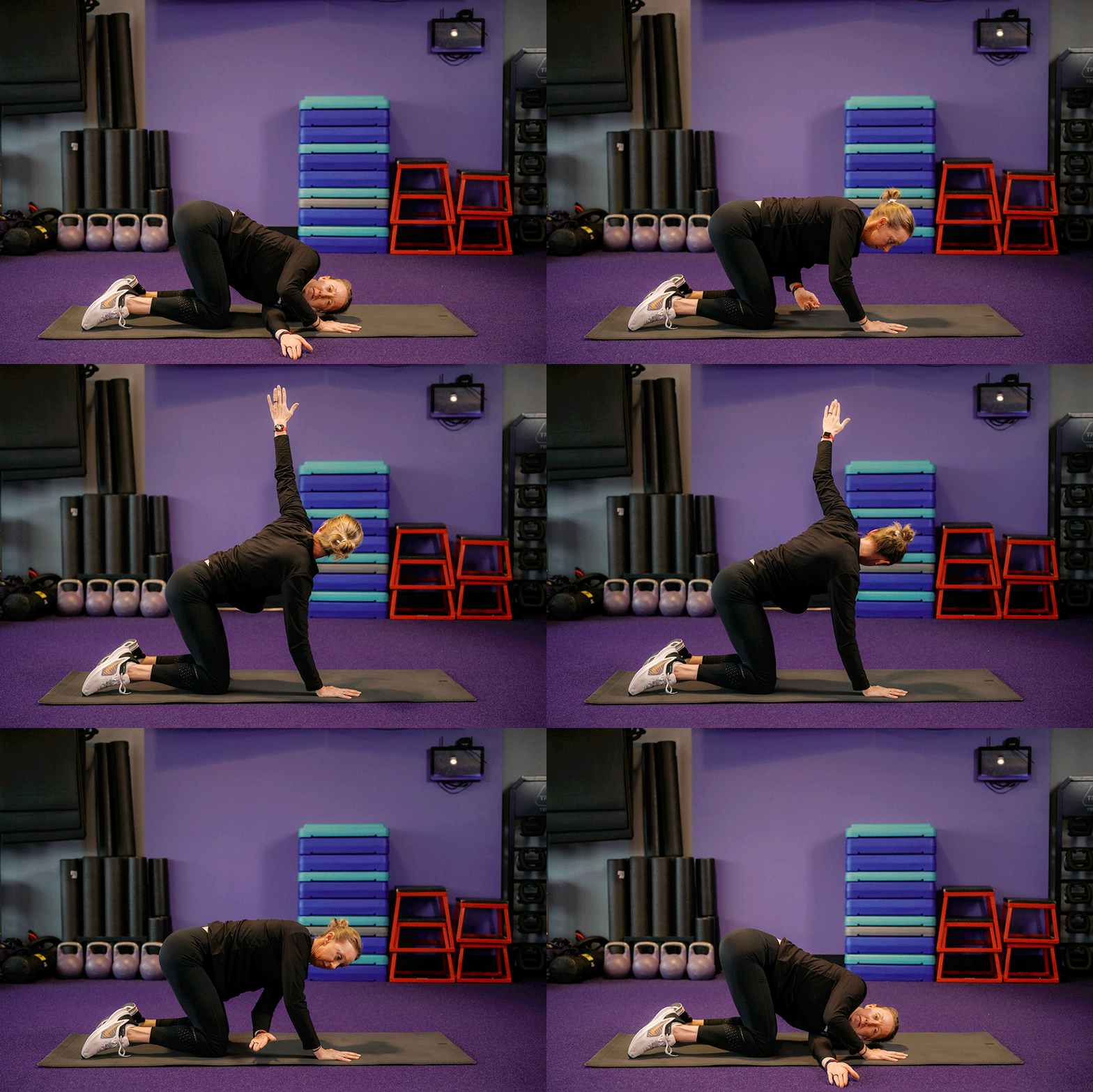
4. Thread the needle
Benefit: Mobilizes the mid-back and posterior shoulder.
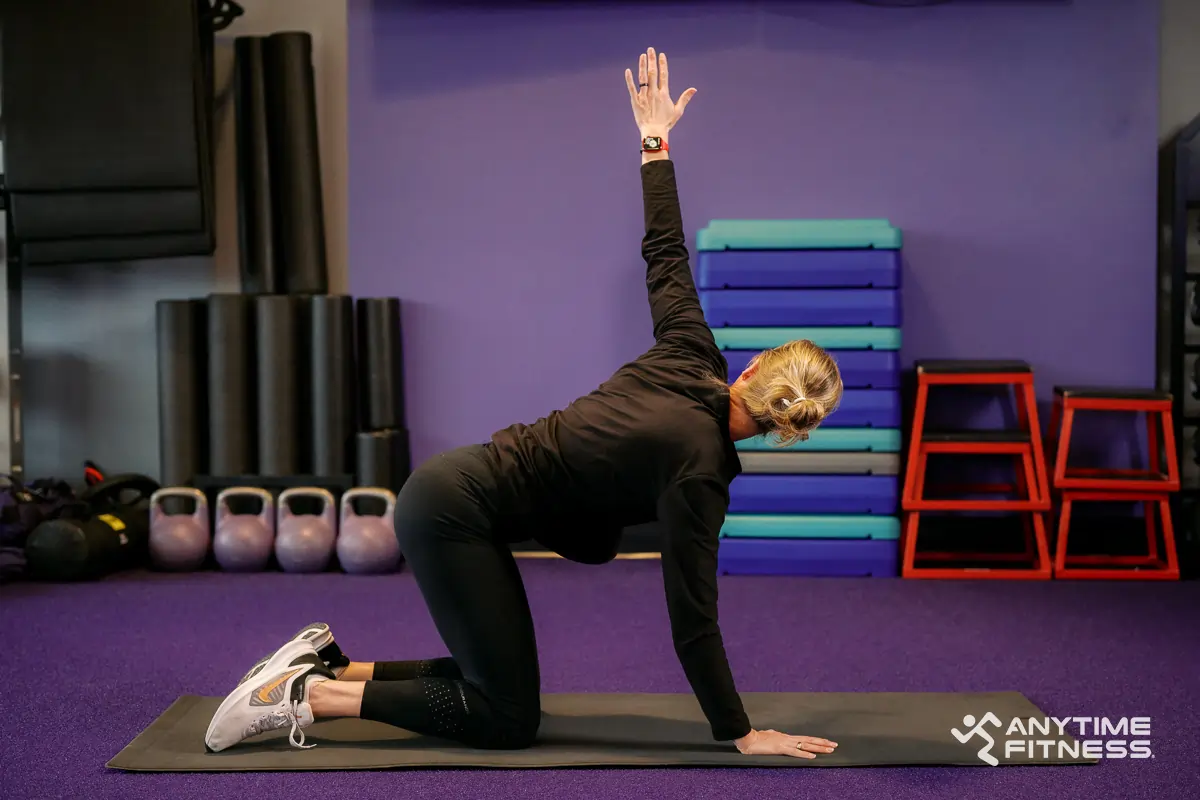
How to: Position your body parallel to the ground on all fours, reach one arm under your body, and rotate gently.
5. Doorway/wall chest stretch
Benefit: Relieves chest tightness and reduces neck and back strain.
How to: Place one hand on a doorframe or wall and lean forward slightly, turning your chest away from the wall to stretch your chest.

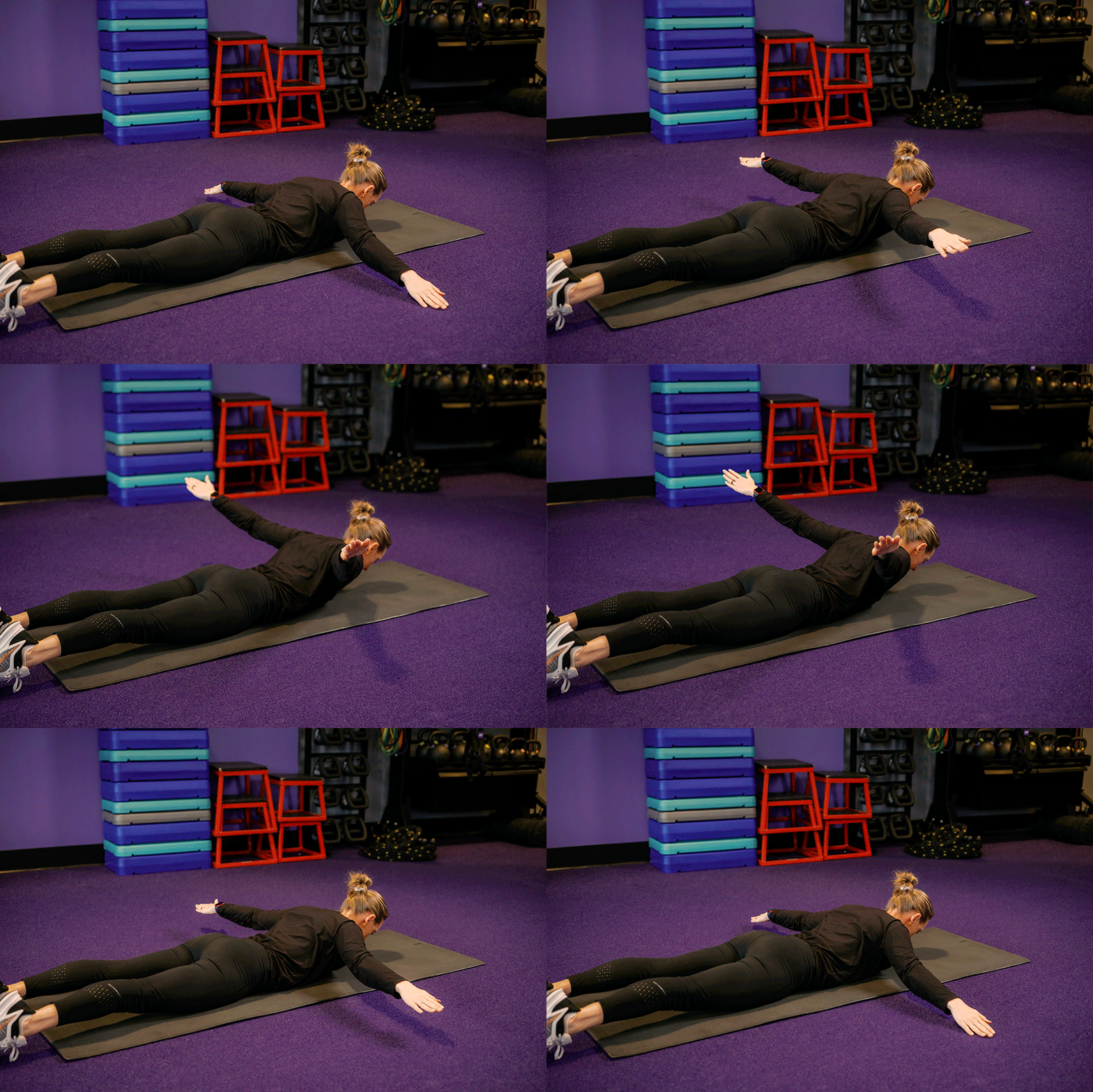
6. Prone T-raises
Benefit: Strengthens the rear delts and rhomboids.
How to: Lie face down with arms extended to the side. Lift your arms slightly and hold.
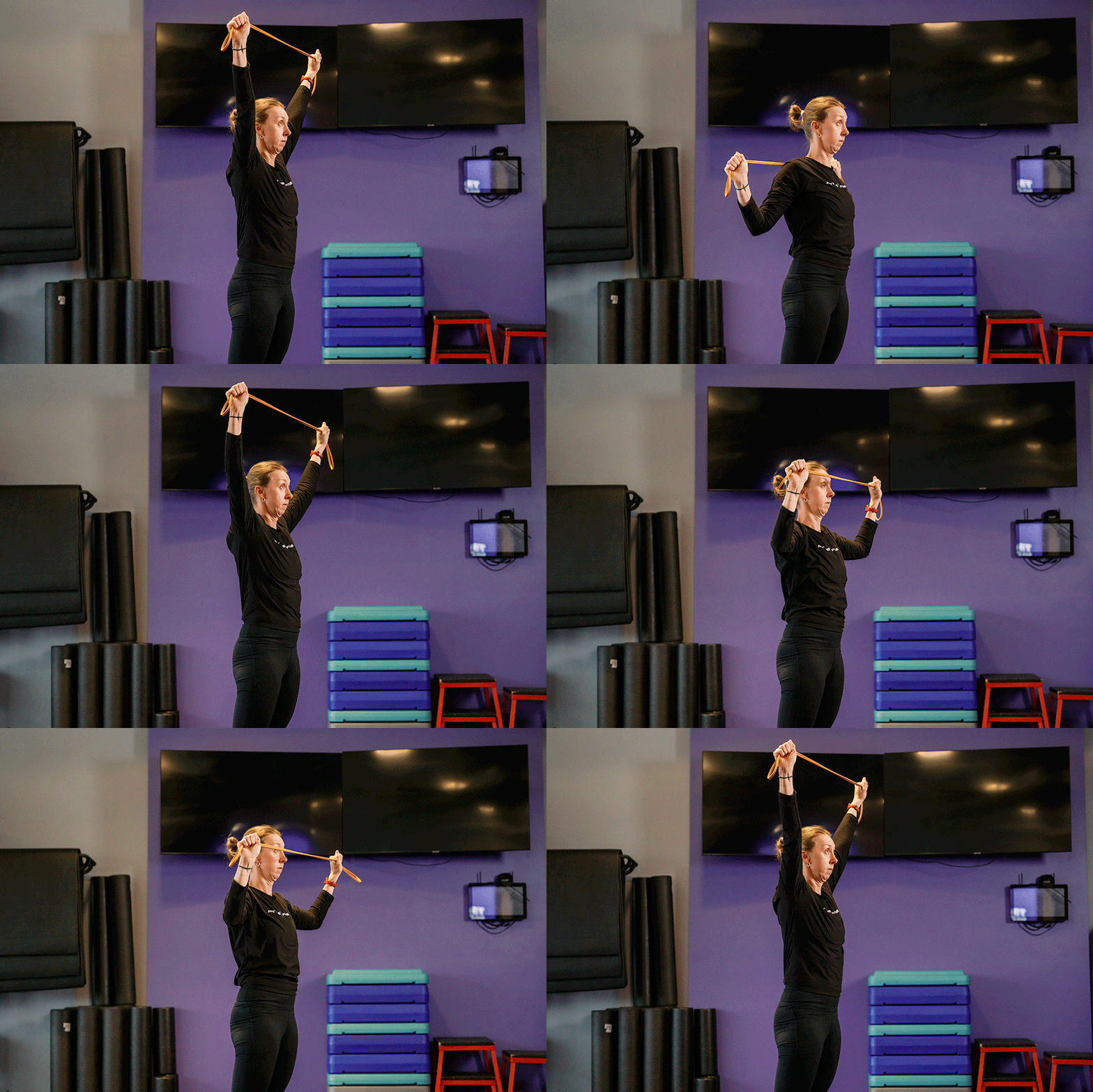
7. Towel pass-throughs
Benefit: Improves dynamic flexibility.
How to: Hold a towel (or resistance band) wider than shoulder width. Lift the towel overhead and behind you slowly, then return.
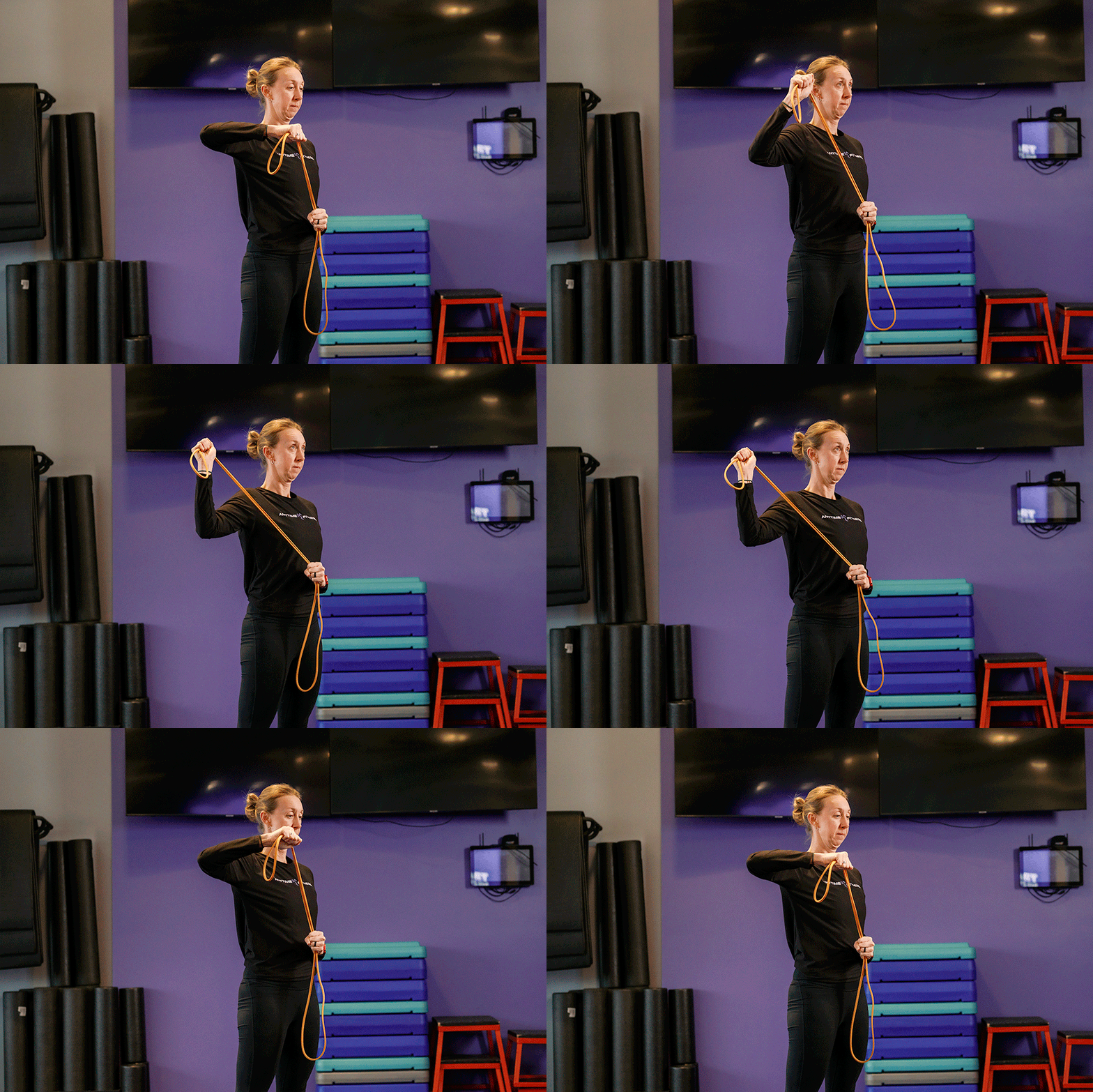
8. Band external rotations
Benefit: Strengthens the rotator cuff.
How to: Hold a resistance band in both hands. Keep your elbow tight to your side and rotate one arm slowly outward, using the resistance band to create tension.
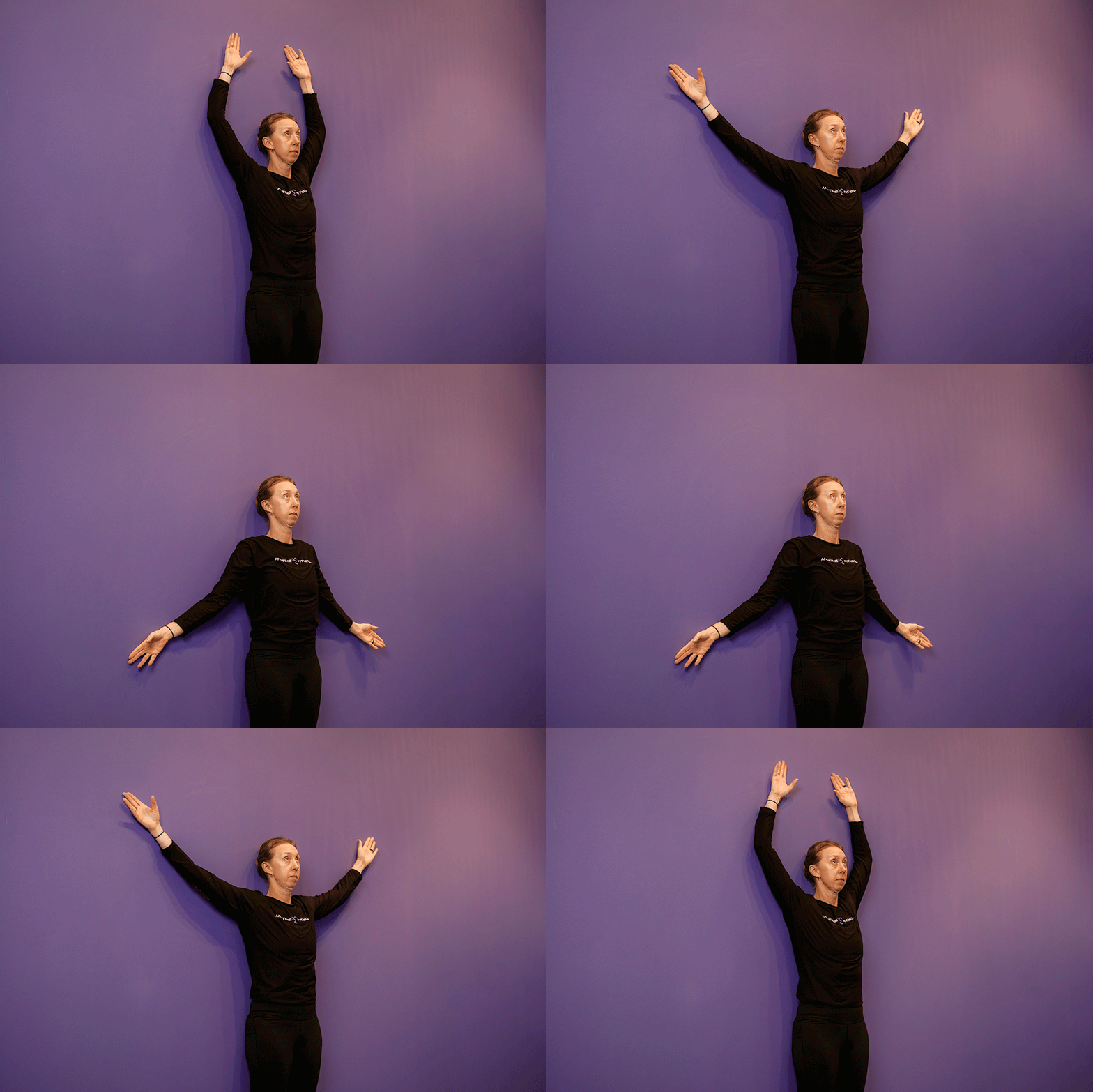
9. Wall angels
Benefits: Wakes up the shoulder blades and encourages movement.
How to: Stand with your back against the wall and move your arms up and down like a snow angel.
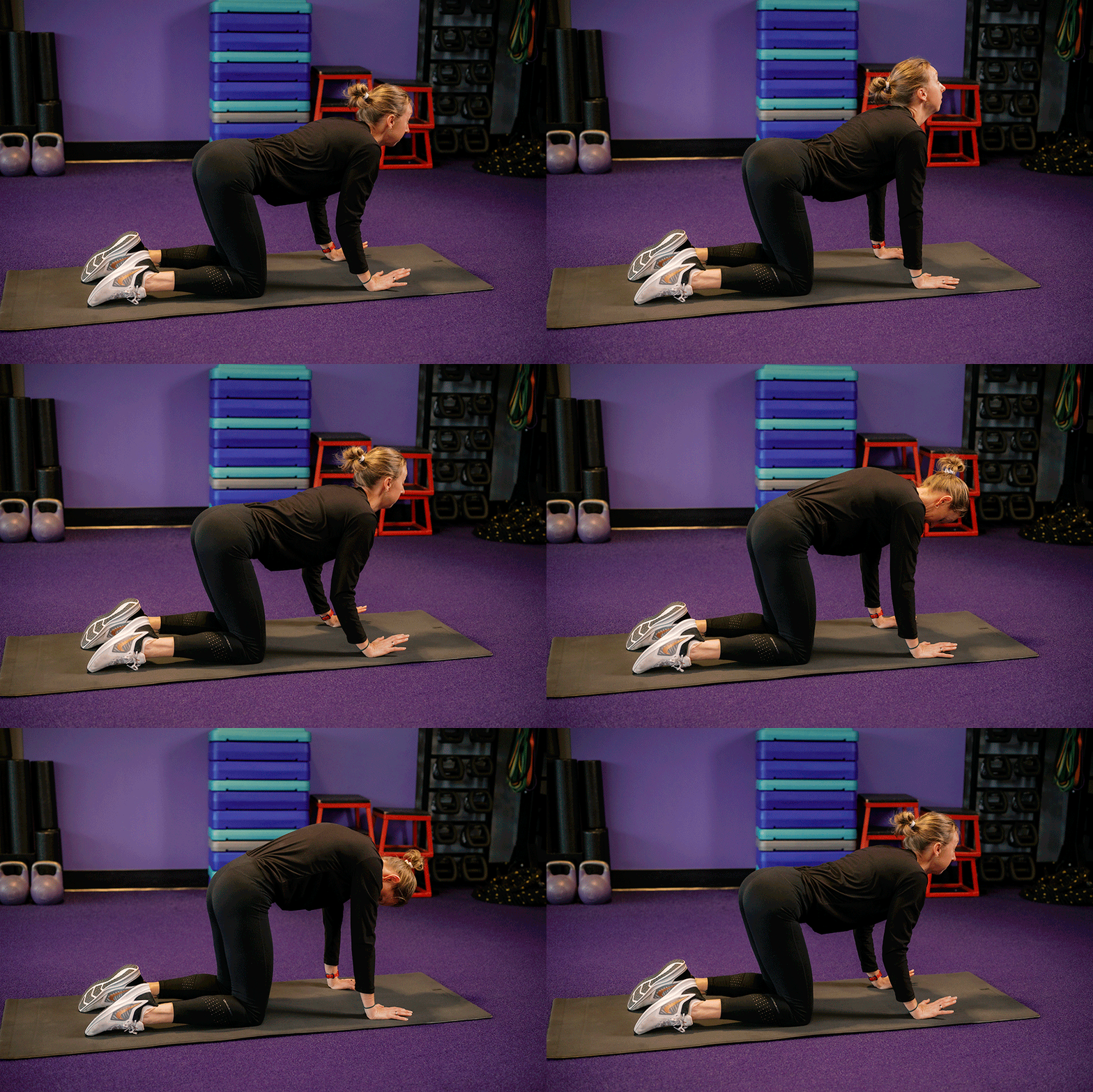
10. Cat-cow
Benefits: Improves spine mobility and supports shoulder range.
How to: Position your body on all fours, alternate arching and rounding your back.
How long does it take to gain shoulder mobility?
Whether you’re at home or already in the gym, the best results come from consistency. It only takes 10 to 15 minutes of shoulder mobility exercises three to five times a week for you to start seeing progress. Expect to feel results within a few weeks and more significant improvements after two to three months of regular training.
For women in perimenopause, pair your mobility stretches with nutrition to enhance results. Since bone loss and joint pain are frequent side effects of menopause, it’s crucial to ensure your diet includes adequate vitamin D and magnesium. Together, nutrition and consistent training can help you gain shoulder mobility and relieve frozen shoulder symptoms.
Build healthy shoulders for life with mobility exercises
Whether you’re looking to improve your mobility for performance and daily movement or ease frozen shoulder pain from perimenopause, the keys to effective shoulder mobility training remain the same: control and consistency. This looks different for everyone — our Coaches are here to support your shoulder mobility journey with a routine that’s specifically designed for your goals. The results will leave you feeling comfortable and strong, ready for anything life throws your way!
More tips for training during perimenopause
- Menopause Execises and Tips for Fitness Through Every Stage
- Strength Training for Women Over 40: Newbie Guide to Building Muscle
- When to Increase Weight When Working Out During Perimenopause
Ready to build a personalized plan to move and feel your best through every stage? Book a free fitness consultation to get started.