



We’ve said it before and we’ll say it again: Your nutrition and workout plan go hand in hand. Together, they create the building blocks for a healthy, energized life. But what exactly does that mean? And how do you put that into practice consistently, and in a way that makes sense for you and your strength training plan? In this blog, AF Coach Heather Berg, NASM CPT and Adina Gilliam, LMFT, CNC, Stronger U answer these exercise and nutrition questions — and more — with the precise details and exact steps you need to become your strongest, healthiest self. Ready? Let’s jump in.
What are the keys to making a nutrition and workout plan sustainable over the long term?
1. Practice periodization for both training and nutrition.
If you’re an athlete or highly active, periodization training may already be part of your routine. Nutritional periodization is similar: It means that calories and macros are aligned with your training phase, whether you’re focused on hypertrophy, fat loss, strength building, or recovery. Strategically planning these cycles will prevent stagnation, support hormonal balance, and reduce the risk of under-fueling. For example, an athlete training for an endurance event (like a marathon) will fuel differently as their training increases.
2. Use biofeedback monitoring.
While weight is a familiar measurement, energy levels, sleep quality, recovery rate, hunger, digestion, and mood are just as important. Today, there are plenty of biotracking devices on the market that can make it almost effortless to get data about your body’s health. These can lay a strong foundation for how you approach biofeedback monitoring, helping you track your body’s trends over time — and how different metrics might affect one another (think: stress and sleep). A successful nutrition and workout plan takes into account how your body feels and what it tells you, not just what the scale says. (We’ll get into exactly how to track this using the Evolt 360 body composition scanner further below!).
3. Focus on consistency, not perfection.
While precision has its place, sustainable progress is rooted in the ability to be consistent over time. The small, repeatable habits that might seem simple (like meal preparation, choosing what to eat before a workout with intention, and drinking electrolytes) will lead to results over months and years — not just temporarily. This also supports your metabolism, lean mass retention, and ability to perform at a challenging level.
TDEE: How to match calorie intake with fitness goals
Let’s say your workout aligns with a fitness goal that relates to your body composition or abilities. To determine the best daily calorie range for your body’s nutritional needs and goal, start by looking at total daily energy expenditure (TDEE). These metrics will help you get clear about what to measure.
The 4 keys that make up TDEE
- Basal metabolic rate (BMR): The energy required to maintain vital physiological functions at rest.
- Non-exercise activity thermogenesis (NEAT): The calories expended through daily activities and non-exercise movement.
- Exercise activity thermogenesis (EAT): The calories burned through training sessions.
- Thermic effect of food (TEF): The energy cost of digesting and metabolizing nutrients.
Determine TDEE using estimation and goal-specific adjustments
Estimation Methods:
- Body composition tools (e.g., Evolt 360): This provides personal metabolic estimates, including lean mass and other key factors.
- Predictive equations (e.g., Mifflin-St Jeor): This is useful for approximations, but can be different from actual needs, particularly for people with high muscle mass.
- Outcome-based tracking: This is done by monitoring intake, weight, and body composition over several weeks, providing real-world feedback.
Goal-Specific Adjustments:
- Fat loss: A controlled energy deficit of 10%–20% below your average optimizes fat loss while preserving lean mass.
- Muscle gain: A surplus of 5%–15% above your average supports hypertrophy without excessive fat gain.
- Maintenance/Recomposition: In some cases, strategic calorie cycling around training allows for fat loss and muscle development.
How can macro breakdowns be personalized for building muscle?
There’s no single perfect macro split, and yours may shift based on personal goals. For example, if you’re focused on healthy weight maintenance or a smooth injury recovery, a high-protein diet can help. With that in mind, these are the general evidence-based ranges for both muscle building and fat loss:
- Protein: 0.7–1.0 grams per pound of body weight. Higher intakes are needed during caloric deficits, intense strength phases, or when muscle retention is the priority.
- Fat: 0.25-0.5 grams per pound of body weight. Focus on unsaturated fats, which support hormonal function, cellular health, and anti-inflammatory processes.
- Carbohydrates: After protein and fat needs are met, remaining calories spent on carbs support glycogen replenishment and energy availability. This is especially important for strength and endurance athletes.
Let’s get personal: How to find the right exercise and nutrition balance for you
While the recommendations above offer a guide to macro amounts, to dial in your results even more, it's important to fine-tune your intake for you. For example, on strength training days, you might focus on higher carbs during your meals. Other types of workouts will call for a more balanced intake throughout the week.
- Training type and volume: Resistance training requires higher carbohydrate availability while low-intensity endurance work may allow for a slightly higher fat intake.
- Body composition goals: Preserving your lean mass during fat loss phases requires ample protein.
- Digestive tolerance and food preferences: Personal preferences and tolerances must be taken into account to help keep gastrointestinal distress to a minimum.
- Advanced strategy: Nutrient timing — such as prioritizing carbohydrates pre- and post-training — can offer benefits once baseline macronutrient targets are met.
What happens if you train without proper nutrition?
It happens: Sometimes, you might find yourself training regularly but not thinking about nutrition. Here’s the thing about that — you can't out-train a poor diet. So, how does good nutrition relate to exercise? Simply put: it provides the fuel and energy for sustainable success. While it can be seen as a flex to train in a “fasted state,” here are some of the risks of exercising without proper nutrition:
- Performance declines: When the body is underfed, it doesn't perform to the highest ability. Inadequate macronutrient intake impairs strength and hypertrophy adaptations.
- Plateaus in body composition: When performance declines (due to a lack of nutrition), a plateau in body composition changes will often result as well.
- Increased risk of injury: Nutrient deficiencies compromise connective tissue and your ability to recover.
- Metabolic dysregulation: Chronic under-fueling can lead to hormonal disruption, reduced thyroid output, impaired mood, and persistent fatigue.
- Loss of motivation: Training without proper nutrition can slow your results, causing you to lose faith in the process and for your motivation to fade. The result? A chance of not following through. That’s why nutrition and training together are so important. When you commit to both, you can trust the process and stay motivated.
Now, let’s talk about the role of data to get even more dialed into your goals — down to every last detail.
The role of data to guide your fitness and nutrition plan
Personalized data tracking is becoming more and more common through wearable devices like smart watches and even smart rings. It’s one thing to track data, but using the information to make informed decisions about your training and nutrition is next level. With that in mind, don’t skip any of these important steps:
- Baseline assessment: Track current intake, training output, body composition, and well-being over a baseline period. This will give the most objective data and will help identify your starting point.
- Trend analysis: Look for consistencies or changes in performance, recovery, and composition.
- Strategic adjustment: Plan for intentional and gradual changes (e.g., increasing 20 grams of protein daily, carbohydrate cycling) based on your needs. If you experience low energy, more carbs may be needed, or it may be time to do a holistic review of lifestyle factors like sleep, stress, and quality of nutrition.
- Dynamic planning: Use biofeedback and body composition changes to fine-tune strategies as your body and needs change over time.
The goal isn’t to be perfect — it’s to be intentional and responsive to your body, adapting to changing needs. As your body changes, your metabolic needs will too.
Meet the Evolt 360 body scanner — metrics for a lifetime of success with fitness and nutrition
Picture this: You’re consistently strength training, hitting your macronutrient goals, and you’re focusing on workout recovery (warm-ups, cooldowns, sufficient sleep, and more!). You can see the difference in the mirror, but you need confirmation through body composition data. This is where the Evolt 360 body scanner comes in. The Evolt 360 body scanner offers a comprehensive, data-rich profile that’s personal to you. The scan provides real-time data that allows for precise adjustments over time.
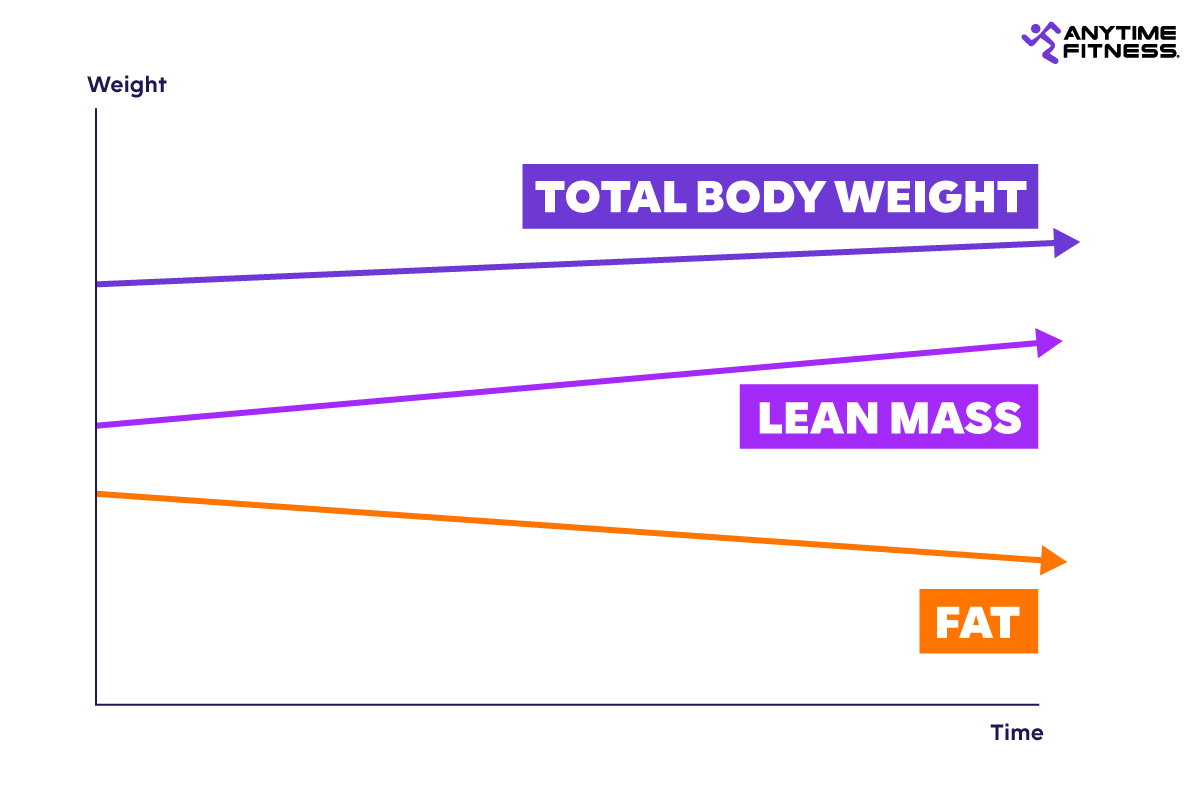
Let’s say the Evolt 360 body scanner confirms your total bodyweight has gone up by one pound. However, you’ve lost four pounds of body fat, and your lean mass has increased by five pounds (three pounds of muscle, two pounds of mineral — aka bone). As a result, your body fat percentage has decreased. (See our visual breakdown of this process further below.) This confirms that you're losing body fat and becoming more muscular. This is body recomposition, and it’s not easy to achieve. If you ask us, that calls for celebration!
Instead of guessing changes based on scale weight alone, you can use the Evolt 360 body scanner to get data about your:
- Skeletal muscle mass: This correlates directly with resting metabolic rate and physical performance.
- Body fat mass and percentage: This helps you understand your weight changes (e.g., is it fat or lean mass that is being gained or lost?) and allows you to make targeted adjustments to boost fat loss or increase hypertrophy.
- Visceral fat levels: Elevated visceral fat is a known risk factor for cardiometabolic disease — the goal is to reduce this over time.
- Total body water: This refers to your body’s hydration levels. (Reminder: drinking plenty of water daily goes a long way.)
- Segmental Analysis: This identifies muscle imbalances that could increase your risk of injury or performance limitations. It also helps validate that the plan is working — and shows exactly where tweaks are needed.
- BWI Score: This is the Evolt 360 bio-wellness indicator that reflects the health of body composition — specifically the ratio between lean mass and fat mass.
- Nutrition needs: As body composition changes, so do your energy needs. This provides insight about the nutritional shifts your body needs most.
Regular assessments (e.g., every 6-8 weeks) allow for timely, scientific data about whether your current nutrition and exercise strategies are working as planned.
How to assess exercise and nutrition improvement over time Evolt 360
Getting one Evolt 360 body scan is informative, but consistent follow-up scans are essential for understanding how your daily habits are affecting your results. These are the key Evolt metrics to focus on over time to help you make meaningful change:
Skeletal muscle mass (SMM)
SMM refers to the tissue that you’re working to build through strength training. It influences your resting metabolic rate (RMR), functional capacity, and body composition goals. Making gradual increases in SMM (especially with strength gains and protein intake) are a major marker of progress, even if the scale doesn’t move much.
Body fat percentage (BFP) and body fat mass (BFM)
These metrics are more informative than total weight for tracking fat loss. For example, you can “recomp” — lose fat and gain muscle — without dramatic changes on the scale. Sustainable fat loss occurs at about 0.5%–1% BFP per month. Look at fat mass (in kilograms/pounds) as well, especially if BFP is skewed by muscle gain.
Visceral fat level
Visceral fat surrounds internal organs and is a strong predictor of metabolic disease. Aim for a level below 10 (on Evolt’s scale). Reducing visceral fat improves insulin sensitivity, inflammation, and cardiovascular health — which is especially important if you have a history of metabolic dysfunction.
Lean body mass (LBM) and total body water (TBW)
These support performance, recovery, and hydration status. Significant drops in LBM or TBW could signal under-recovery, under-fueling, or illness. LBM should be stable or increasing, while TBW can help guide hydration strategies.
BioAge and segmental analysis
The “BioAge” score can be motivating if you’re focused on long-term health, not just aesthetics (though that can be motivating, too!). Segmental analysis (e.g., right/left limbs) helps identify muscular imbalances that can show you which training adjustments to make.
When paired with structured training, solid nutrition, and behavior coaching, these data points help shift the focus from short-term weight loss to long-term body composition and metabolic resilience.
How to optimize exercises based on body composition data
Now that you understand the data behind Evolt 360, let’s talk about how to put it into practice with your training plan.
If you’re looking to increase your muscle mass and decrease body fat (lowering your body composition), it’s recommended to cycle through Phases 1-3 of the periodization strength training model from the National Academy of Sports Medicine (NASM). Research has shown that resistance training is key to a weight loss and fat loss goal because it preserves lean muscle mass.
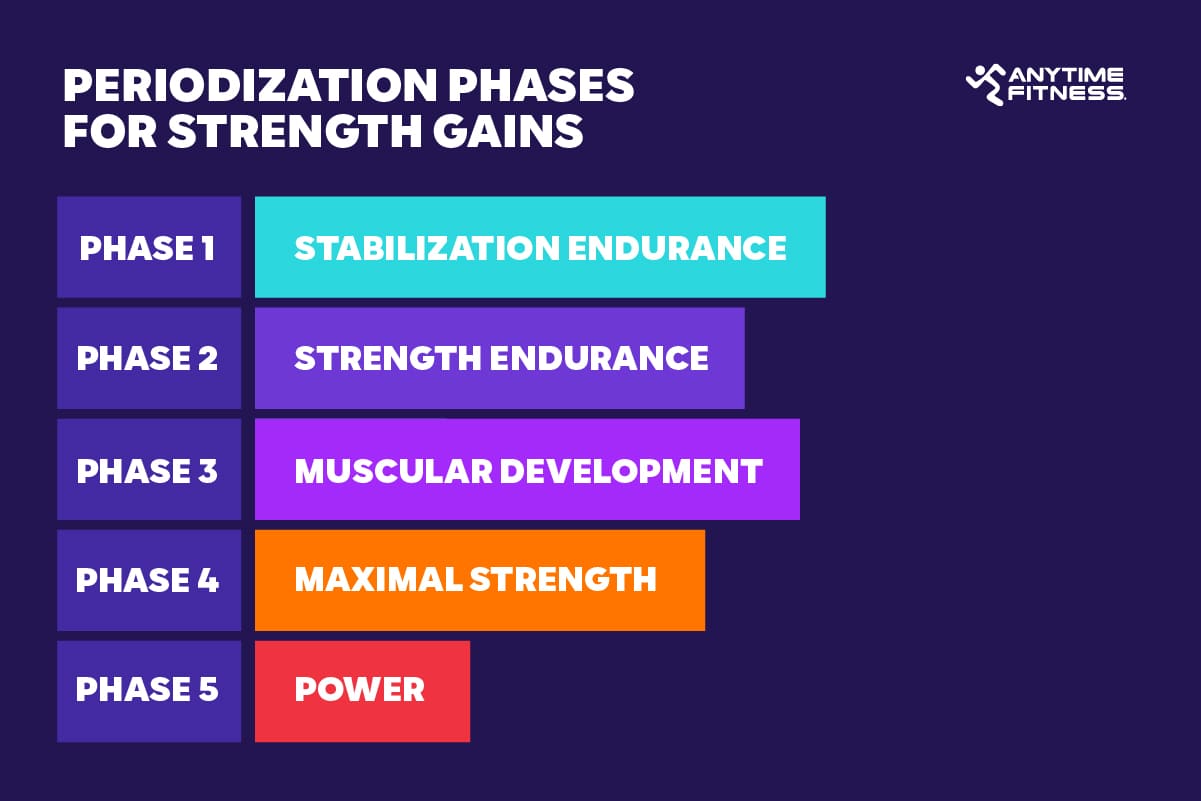
Phase 3: Muscular Development is where gains in muscle mass occur. This phase is characterized by increased volume (sets and reps) to cause muscles to grow and adapt, and increased load (lifting heavier weights). Here’s how it’s done:
Increased volume:
Sets: 3-6 per exercise
Reps: 6-12 per set
Tempo: Moderate
Exercise selection: 2-4 exercises per body part
Increased load: Lift as heavy as can be lifted while maintaining proper form for the volume listed above.
In addition to adapting your workout acute variables, your exercise selection can help you achieve changes to your body composition faster and more efficiently. To maximize your muscle development, choose exercises that are compound, multi-joint movements. Think: squats, deadlifts, bench press, and pull ups, with variations of each.
Tracking progress: Small data changes, big improvements
A body composition scan can help you learn more about your physical data and your recommended nutritional profile. Here’s the key: Tracking nutrition and exercise progress over time. When you get a body scan at regular intervals, such as every 6-8 weeks, you’re able to see changes like increased muscle mass and decreased body fat — much more information than you’ll get from a bathroom scale. The results of your diet and exercise plan will be the evidence.
Start today! Get one-on-one support from an AF Coach
We’ve laid the groundwork for how to take your diet and exercise plan to the next level — and stick with it for life. Remember to:
- Use the TDEE formula to match calorie intake with your fitness goals
- Evaluate your data from the Evolt 360 body scanner to identify target areas
- Track your progress over time!
Now, let’s take things even further for ultimate results that last. Here’s how: Meet with a Coach at your local Anytime Fitness for a free fitness consultation where you’ll get your body composition scan and meet one on one with a personal trainer to discuss your fitness goals, history, and do a movement assessment.
Your Coach will show you how to put the data from the Evolt scan into practice, from strategies for reaching recommended daily macros to training plan adjustments. They’ll also set you up for easy tracking and long-term progress by linking the Anytime Fitness App to your Evolt body scan account. We can’t wait to meet you!
Ready for strength that never stops? We’re with you every step of the way — schedule your free fitness consultation now.