

If you’ve been working to build upper-body strength, shape, and definition, you know how good the slow grind of a well-built back and bicep workout routine can feel. But there’s a specific satisfaction in feeling like your strength reflects all the early mornings, sore muscles, and hard work you’ve put in. We’re talking broad shoulders, a thick back, and arms that fill out a sleeve (a look others can’t help but notice).
Beyond the aesthetic benefits and confidence boost, training the back and biceps together is one of the most efficient ways to improve your overall performance and functional abilities for strength that’s built to last. Let’s talk about how. We’ll cover:
- The functional benefits of back and bicep strength
- Why training the back and biceps together offers a big strength advantage
- How often to train your back and biceps
- Sample upper-body-focused workout splits
- A back and biceps workout designed for strength and mass
- How to measure your strength progress
[boxout]
What should a back and bicep workout include?
Quick answer: A balanced back and bicep workout should combine vertical pulling, horizontal rowing, lat isolation, targeted bicep exercises, and loaded carries. Start with pull-ups, then perform chest-supported dumbbell rows, single-arm cable rows, straight-arm pulldowns, hammer curls, incline dumbbell curls, and farmer’s carries. This sequence trains the back from multiple angles before finishing with focused arm and grip work.
Back and bicep workout at a glance
Key takeaways
- Begin with larger back exercises before moving into isolated bicep work
- Include both vertical and horizontal pulling movements
- Train the back through multiple angles for more complete development
- Gradually increase weight, repetitions, or total training volume
- Track pull-up reps, row strength, curl strength, and farmer’s carry load or distance
- Adjust training frequency and volume based on your goals, experience, and recovery
[/boxout]
The functional benefits of having a strong back and biceps
In addition to giving you a broad, powerful upper body that looks strong from every angle, having a well-developed back and biceps also supports performance in nearly every major upper-body movement (and your daily life). Benefits include:
- Improved pulling strength for exercises like pull-ups, rows
- Better posture and shoulder positioning (which lead to easier breathing mechanics)
- Increased upper-body stability and injury resilience
- Greater grip strength for lifting heavier loads (for example, during deadlifts or carries)
- Enhanced athletic performance in sports that involve pulling, climbing, throwing, or grappling
- Improved physique development through a wider upper back and more muscular arms
- Better movement efficiency in daily activities like lifting, carrying, and pulling
- Improved longevity in training
Why the back and biceps are a strong training combo
Training your back and biceps together doesn’t just give you a good pump — it’s actually one of the most efficient pairings in strength training. Because most back and bicep exercises are pulling movements, working them together offers a few benefits you’ll want to get in on, including:
- Maximized training efficiency
- Significant bicep stimulation before isolation work
- Strengthened mind-muscle connection between pulling muscles
- Improved recovery
For example: Pull-ups, pulldowns, and rows are back-focused exercises that heavily involve the biceps. These exercises get the biceps warm and partially fatigued, making it easier to achieve a quality training stimulus without too much volume by following them with bicep isolation exercises.
How often should you train your back and biceps?
A 2022 study concluded that a weekly range of 12-20 sets per muscle group is an optimal standard recommendation for increasing muscle mass (in trained young men, specifically). The study also recommended training each muscle group twice per week while increasing volume (i.e., sets, reps, or weight). Here’s a deeper breakdown of the recommended training volume based on your specific fitness goal:
- Strength: Two to three times a week, 10-15 weekly sets
- Hypertrophy: Two times a week, 12-20 weekly sets
- Muscular endurance: Two to four times a week, 12-20 weekly sets (or more)
- General fitness: One to two times a week, 8-12 weekly sets
Related: Train Smarter, Not Harder: The Power of Periodization Training
Sample back and bicep workout splits
Option 1: Dedicated back and biceps focus
- Day 1: Back and biceps (heavier, strength-focused)
- Day 2: Lower-body workout
- Day 3: Rest or active recovery
- Day 4: Back and biceps (higher-volume, hypertrophy-focused)
- Day 5: Chest, shoulders, and triceps
- Day 6: Optional cardio, mobility, or core
- Day 7: Rest
Option 2: Balanced split with back and biceps emphasis
- Day 1: Pull (back and biceps)
- Day 2: Rest or cardio
- Day 3: Upper-body workout (including some back and biceps volume)
- Day 4: Rest
- Day 5: Full-body workout (including back and biceps work)
- Day 6: Optional conditioning, mobility, or core
- Day 7: Rest
Back and bicep workout for strength and mass
Use these exercises for your next back and biceps workout, or add them to your upper-body routine for increased strength, muscle mass, and definition.
Upper-body warm-up
Warming up before your workout gets your blood flowing and muscles primed for movement, leading to bigger gains and reduces the risk of injury. Try this five-minute warm-up:
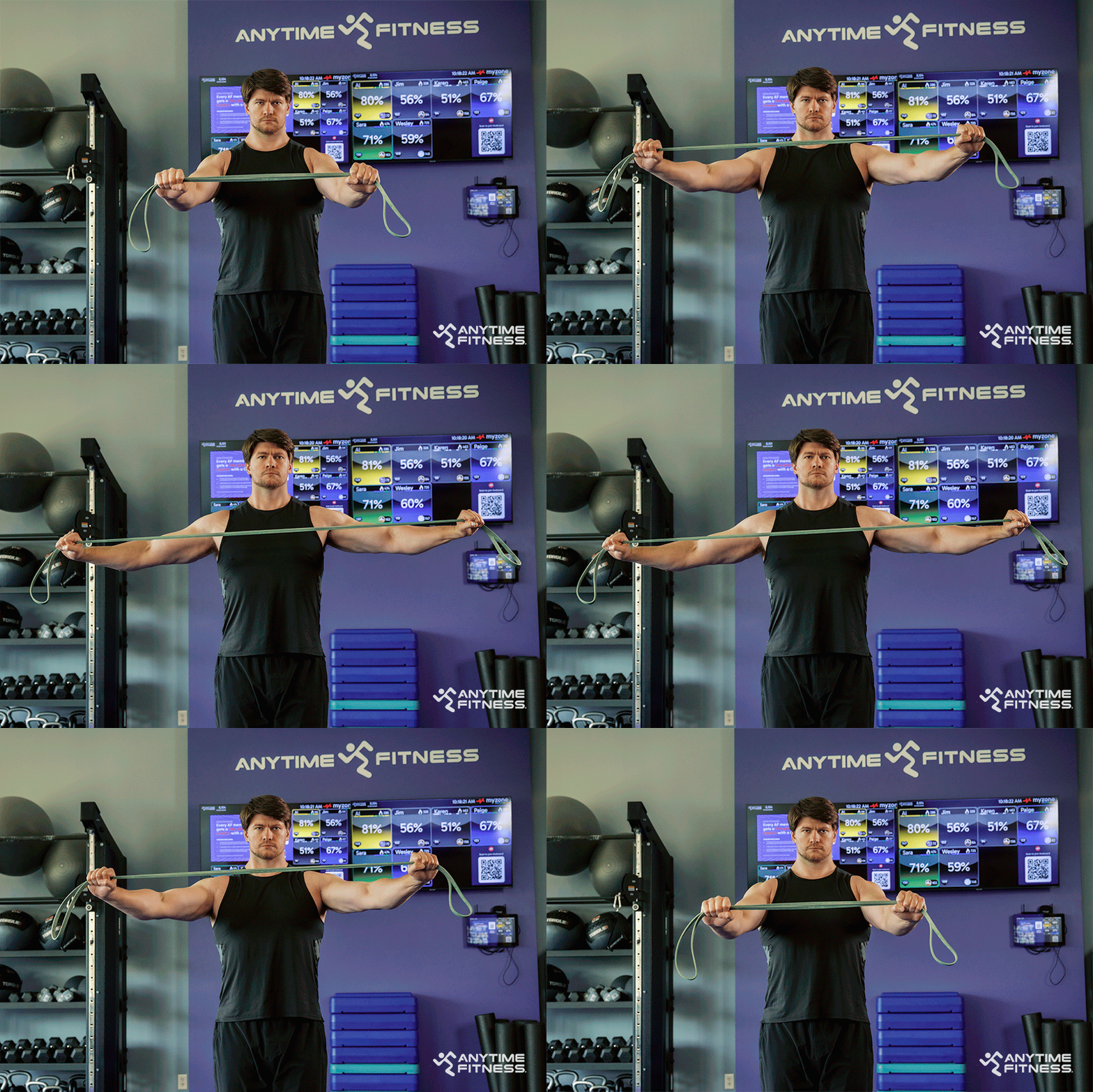
- Banded pull-aparts
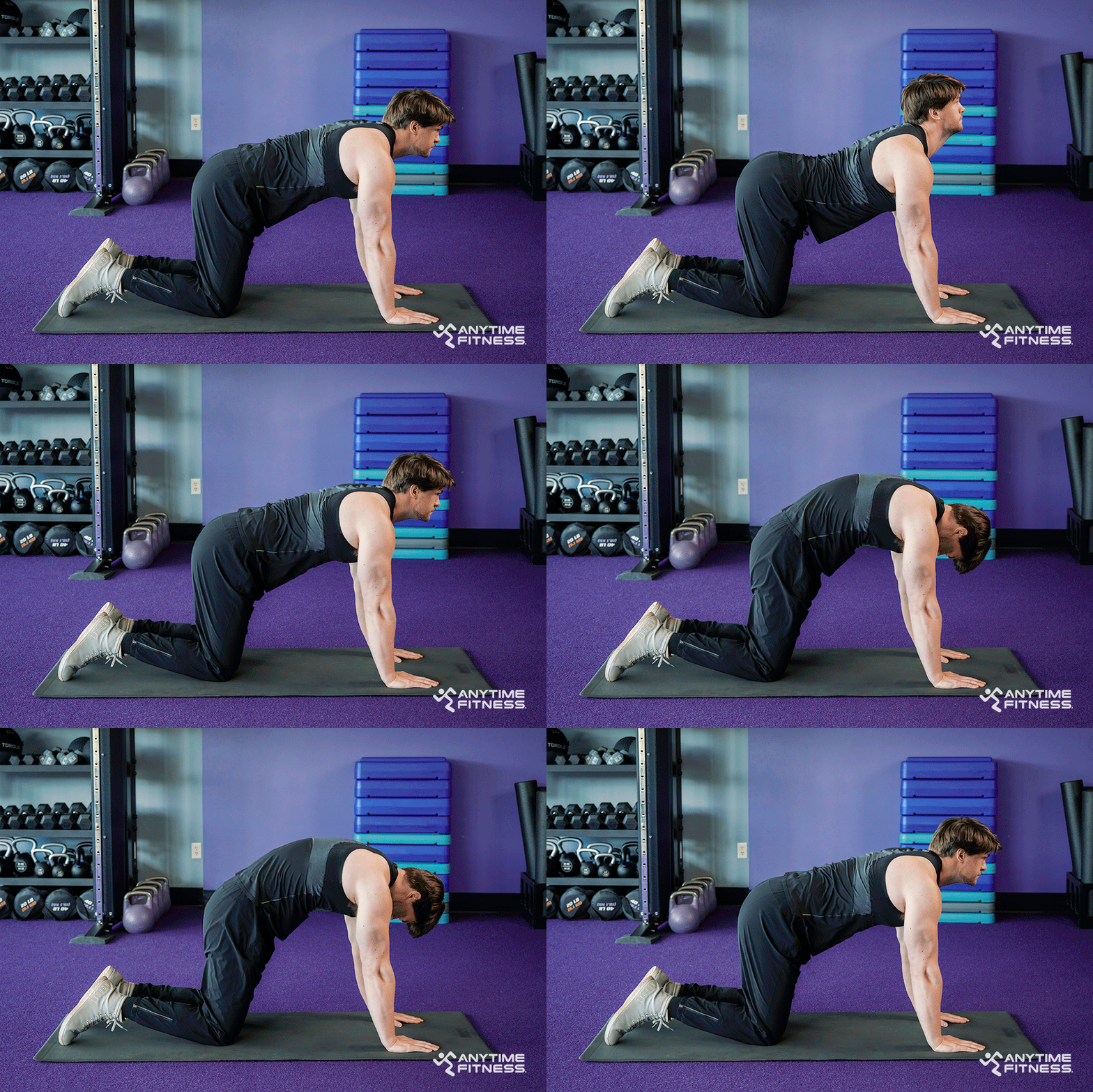
- Cat-cow mobility drill
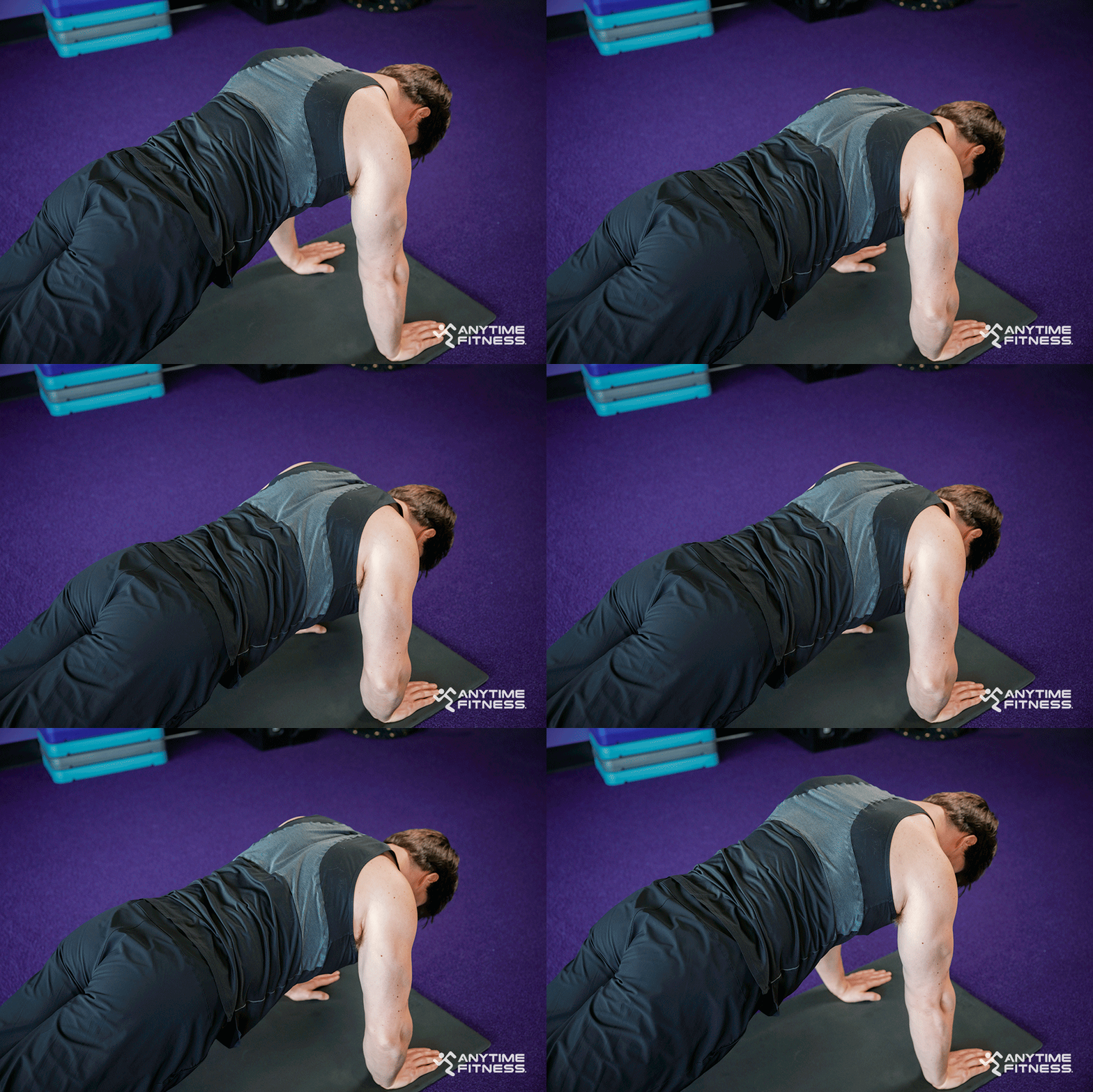
- Scapular push-ups
Banded pull-aparts: 2 sets of 15 reps
Cat-cow mobility drill: 10 slow, controlled reps
Scapular push-ups: 2 sets of 8 reps
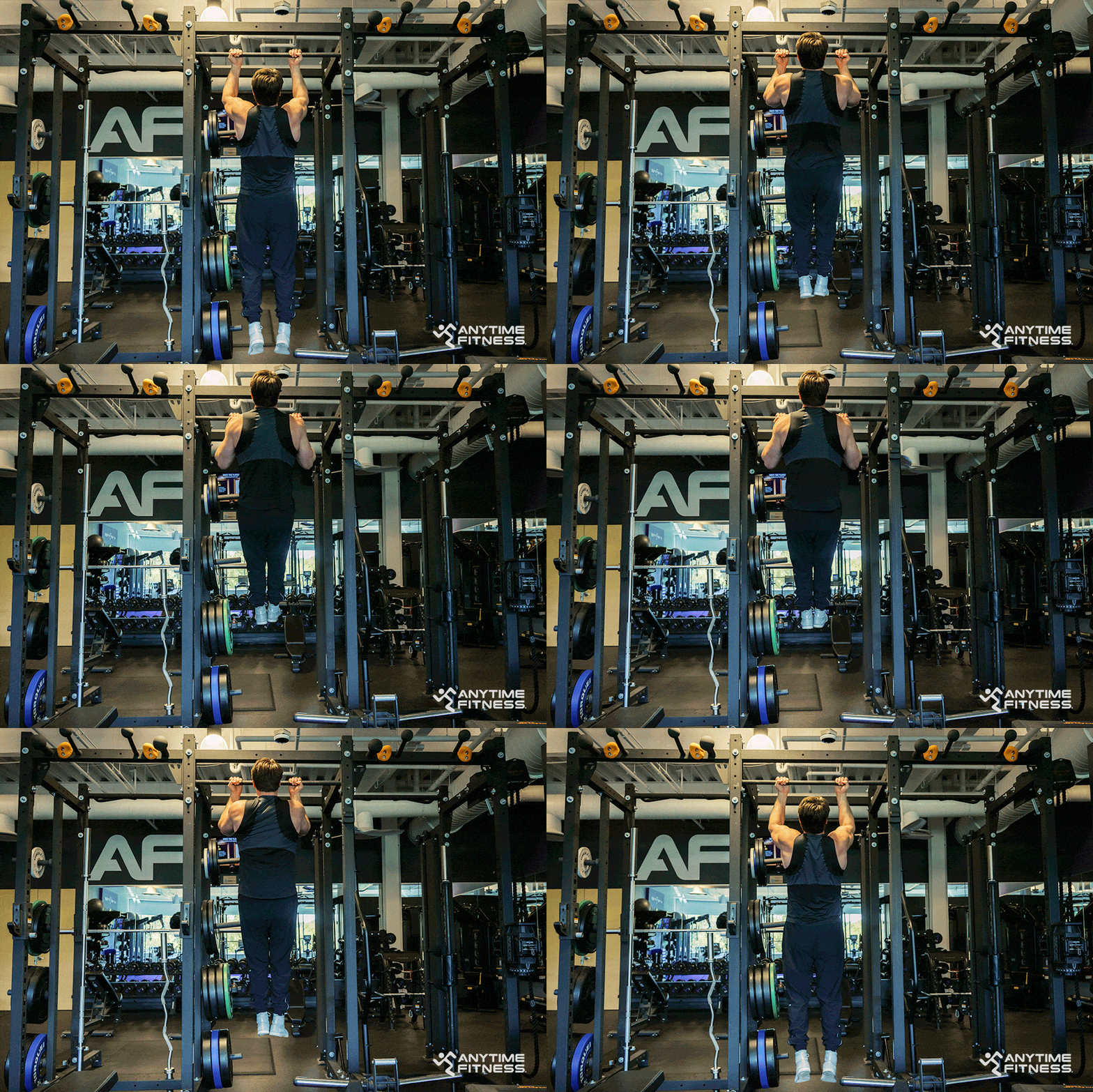
Pull-ups or assisted pull-ups
Focus: Lat width and upper back, grip, and bicep strength
How to:
- Grip the bar slightly wider than shoulder-width.
- Pull your chest toward the bar, activating your back and biceps.
- Lower yourself to the starting position with control.
Repeat for 3-4 sets of 6-10 reps.
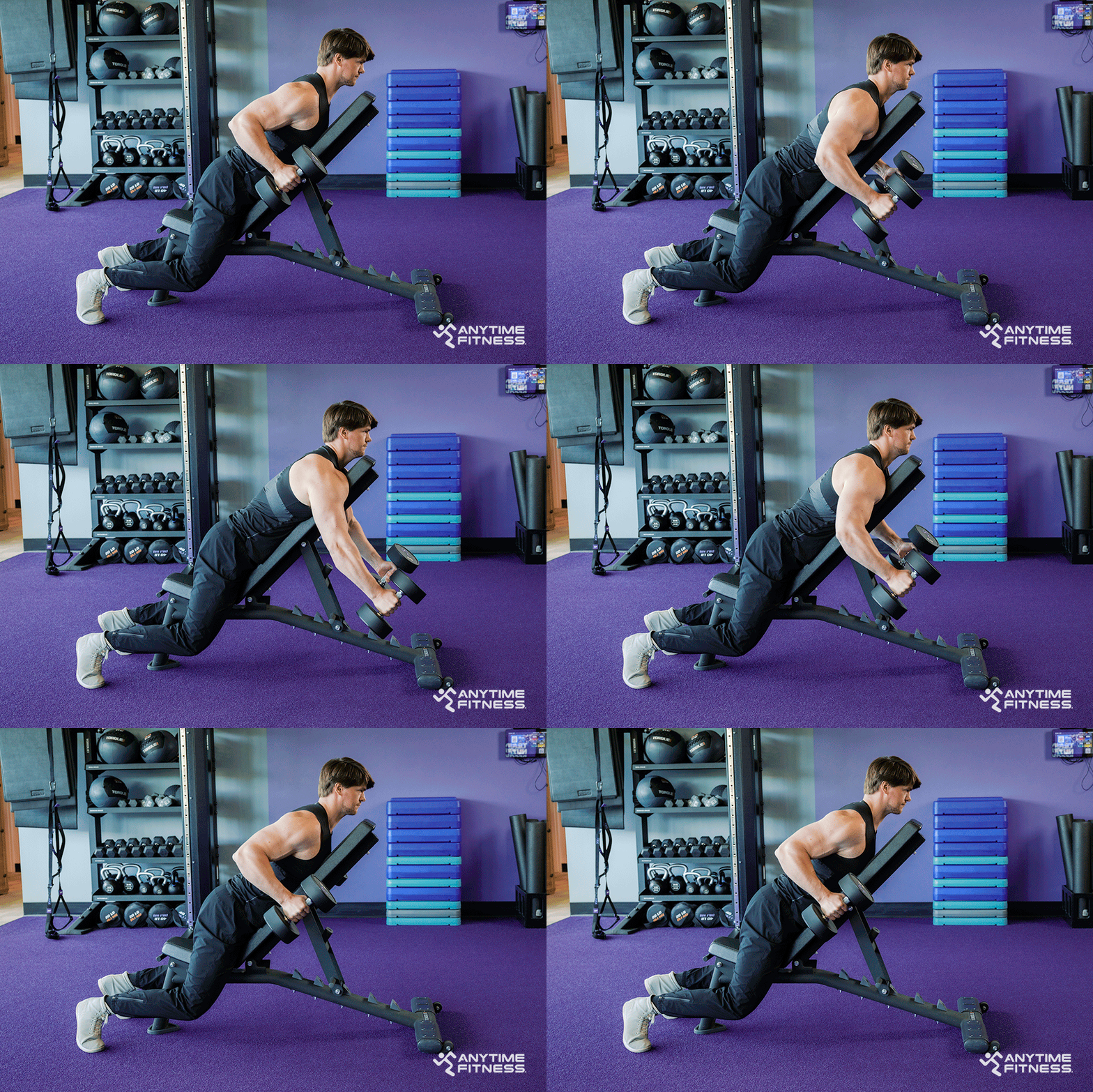
Chest-supported dumbbell rows
Focus: Mid-back thickness
How to:
- Lie face down on an incline bench, holding a dumbbell straight above you in either hand.
- Pull your elbows in toward your hips and squeeze your shoulder blades together.
- Slowly raise the dumbbells back to the starting position.
Repeat for 3-4 sets of 6-10 reps.
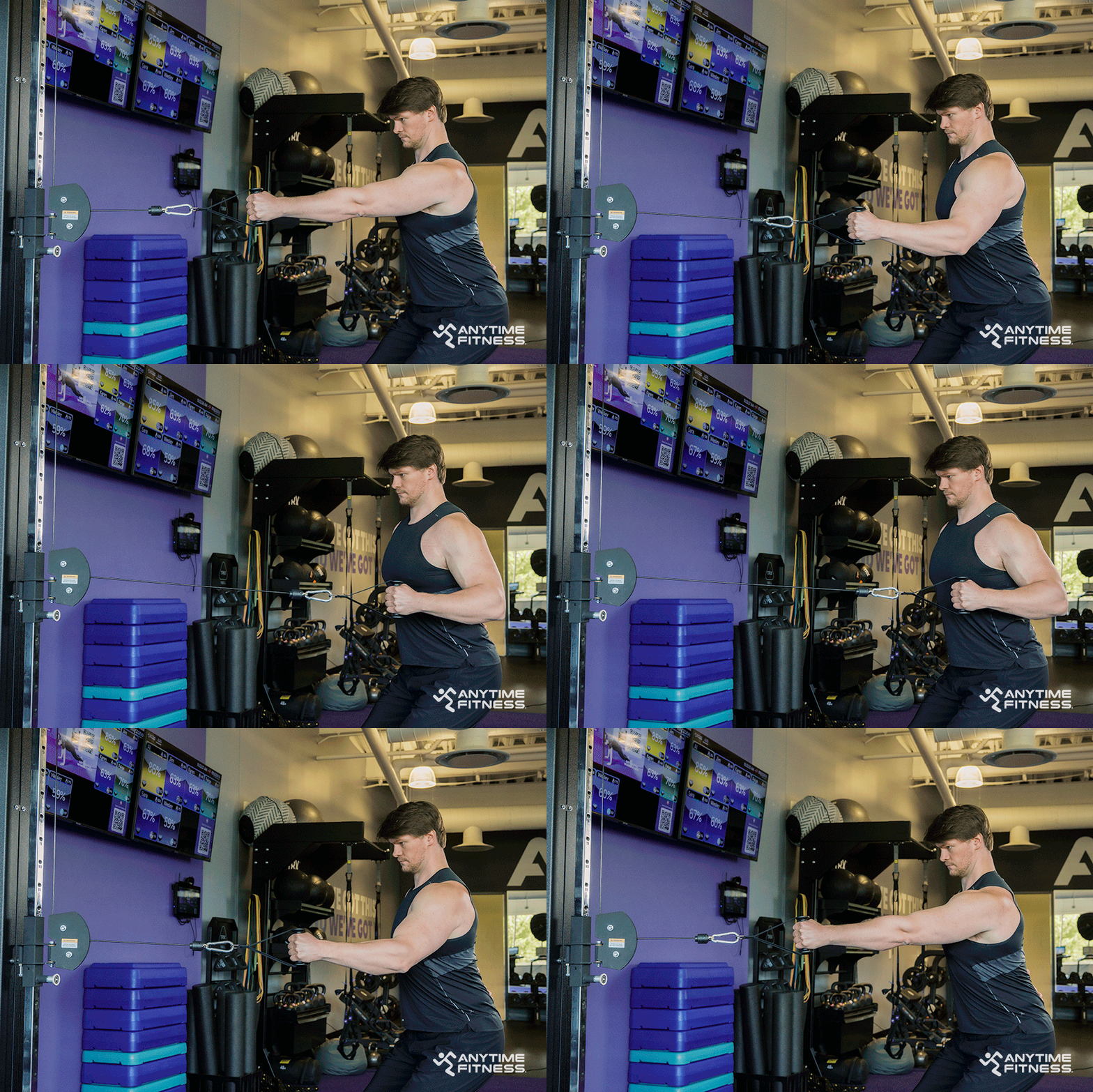
Single-arm cable rows
Focus: Unilateral strength and scapular control
How to:
- Attach a single-handle attachment to a cable machine at chest height.
- Face the machine and grab the attachment with one hand, and step back until there’s tension in the cable.
- Stand tall with your core engaged and arm extended in front of you.
- Pull your elbow back toward your hip, keeping your shoulder down and chest up.
- Squeeze your upper back briefly when your hand reaches your side.
- Slowly return to the starting position.
Repeat for 3 sets of 10-12 reps. Complete all reps on one side before switching to the other.
Straight-arm pulldowns
Focus: Lat isolation and improved mind-muscle connection
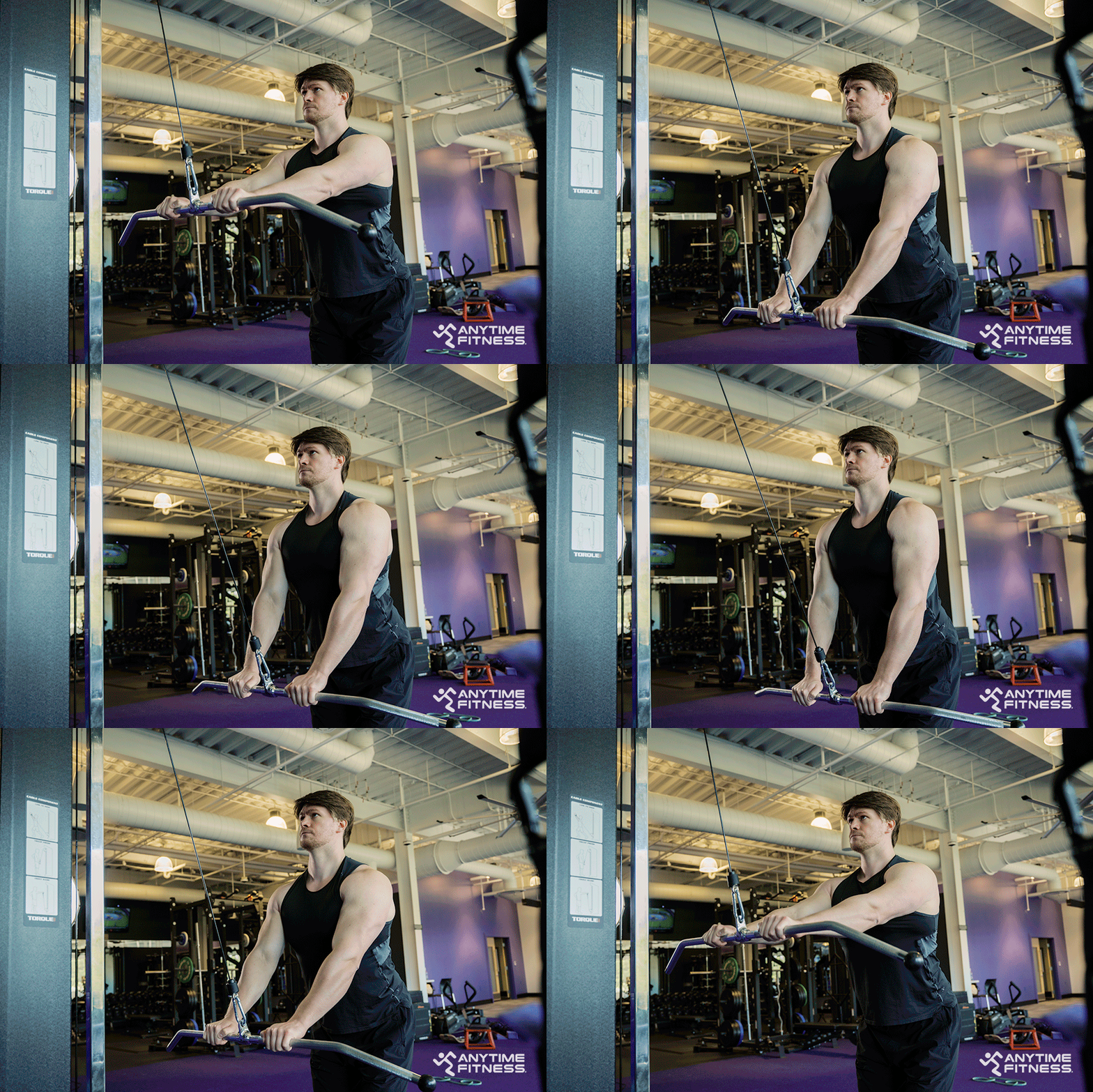
How to:
- Attach a straight bar or rope to a high cable pulley and stand facing the machine with your arms extended.
- Engage your core and keep a slight bend in your elbows throughout the movement.
- Pull the handle down in an arc toward your thighs, keeping your arms mostly straight.
- Squeeze your lats at the bottom of the movement.
- Slowly return the handle to the starting position with control.
Repeat for 3 sets of 12-15 reps.
Hammer curls
Focus: Bicep, forearm, and grip strength
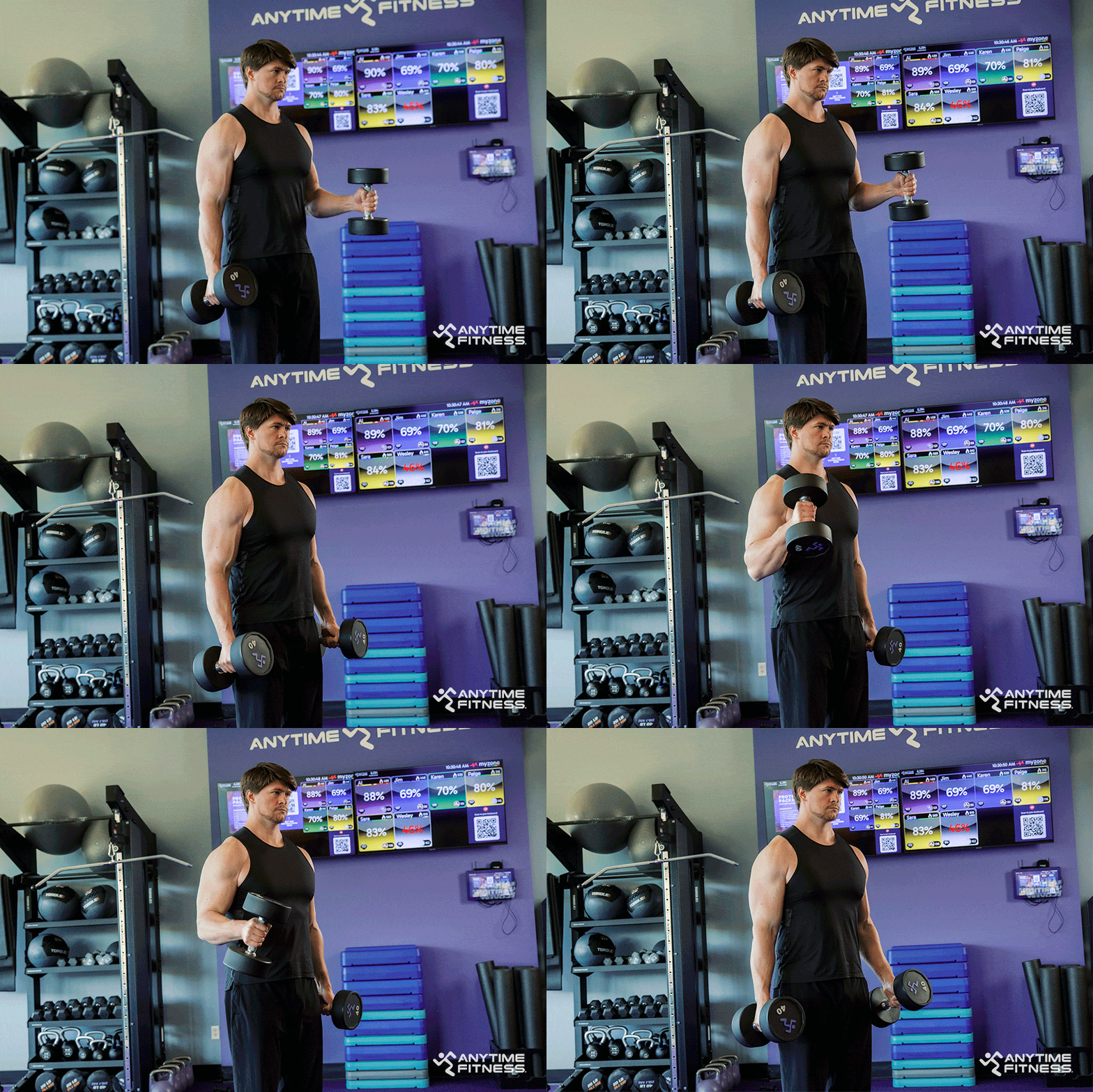
How to:
- Stand tall, holding a dumbbell in each hand with your palms facing each other.
- Keep your elbows close to your sides and engage your core.
- Curl one dumbbell toward your shoulder without swinging your body.
- Squeeze your biceps and forearms at the top of the movement.
- Slowly lower the dumbbell back to the starting position. Switch to the other side.
Repeat for 3 sets of 10-12 reps, alternating sides between each rep.
Incline dumbbell curls
Focus: Long head of biceps and overall arm development
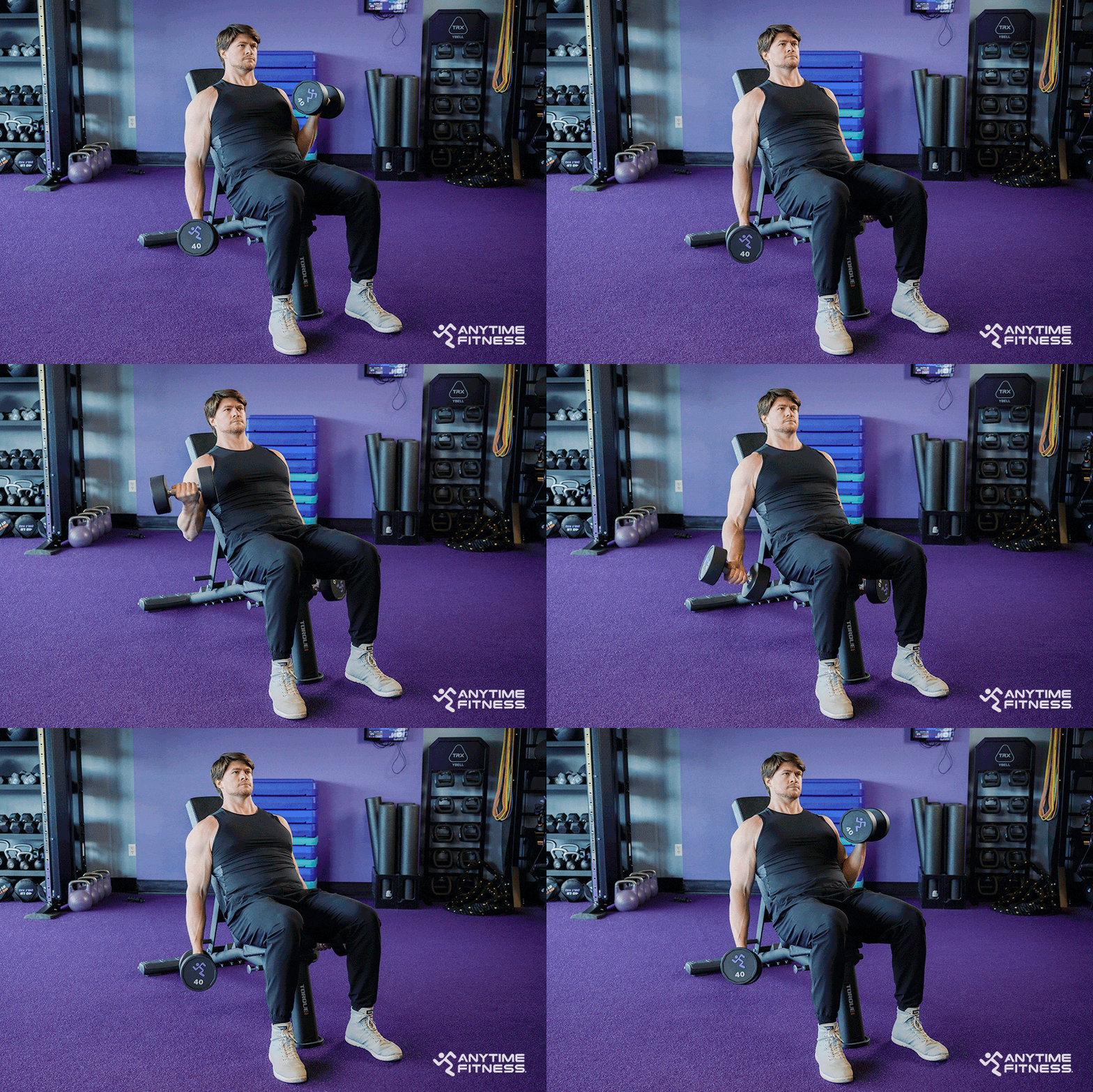
How to:
- Sit on an incline bench, holding a dumbbell in each hand with your arms hanging at your sides and palms facing forward.
- Keep your shoulders back and elbows close to your torso.
- Curl one dumbbell toward your shoulder while keeping your upper arms still.
- Squeeze your biceps at the top of the movement.
- Slowly lower the dumbbell back to the starting position. Switch to the other side.
Repeat for 3 sets of 10-12 reps, alternating sides between each rep.
Farmer’s carries
Focus: Grip strength, upper back stability, core strength, and posture
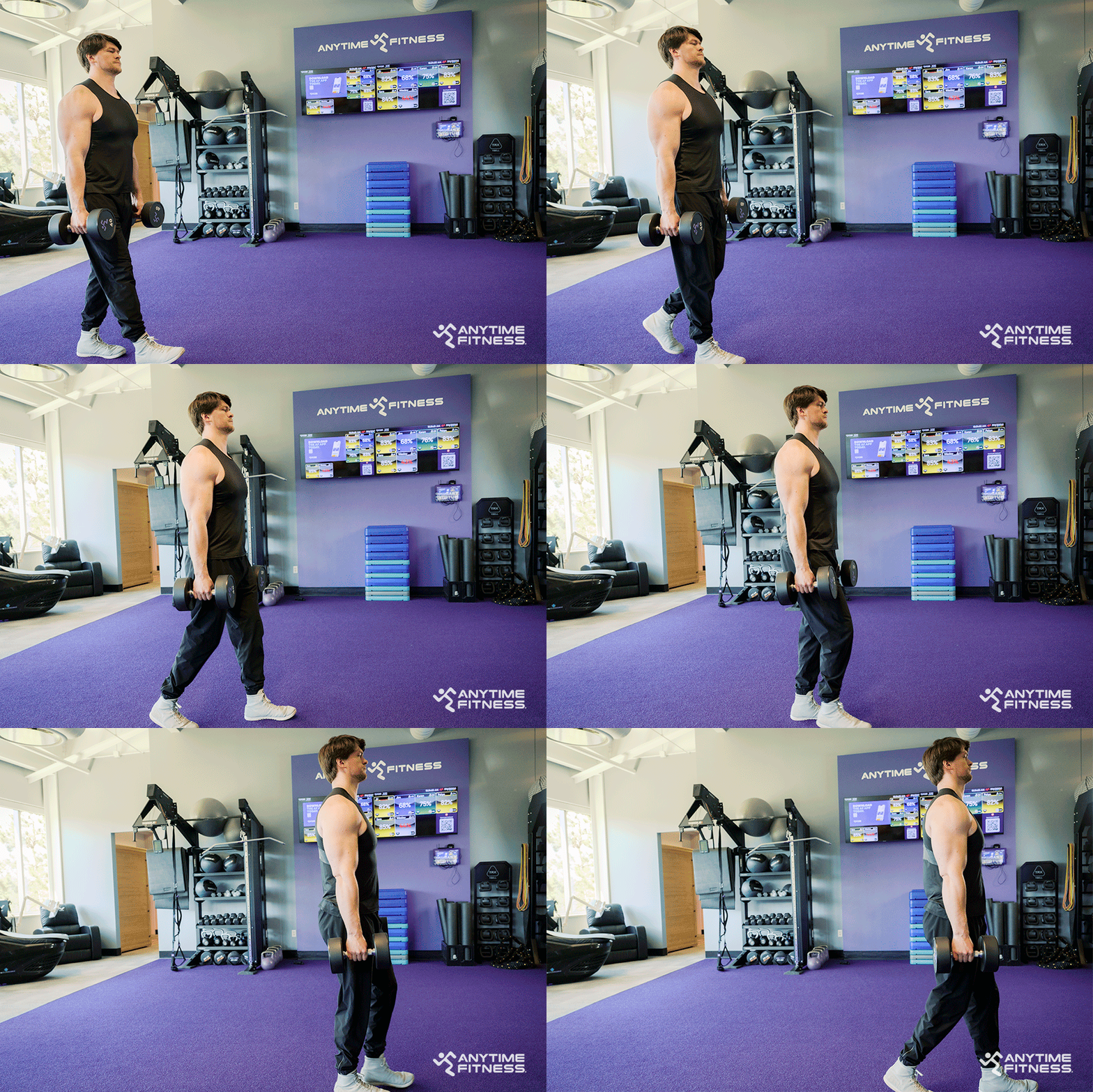
How to:
- Stand tall, holding a heavy dumbbell or kettlebell in each hand at your sides.
- Engage your core, keep your shoulders down and back, and maintain an upright posture.
- Walk forward with controlled, steady steps while keeping the weights close to your body.
- Continue for your goal distance or time without leaning or shrugging your shoulders.
Complete 3 passes of 30-60 seconds.
How to measure your progress over time
There are several ways to measure your strength and progress as you build a consistent routine. Here are a few of our favorite methods:
Performance metrics:
- Max pull-up reps
- Amount of pull-up assistance used
- Row strength (i.e., ability to train at a higher volume — reps x weight)
- Curl strength
- Farmer’s carry distance or load
Body composition measurements:
- Progress photos (gym selfies aren’t just for flexing!)
- Arm circumference
- Shoulder-to-waist ratio
- Total lean muscle mass (measured with a body composition scan)
Functional benchmarks:
- Improved posture
- Increased grip strength (measured with a dynamometer)
- Reduced neck or shoulder discomfort day-to-day
- Daily tasks like lifting and carrying becoming easier
Recovery markers:
- Higher work capacity or ability to complete higher-volume workouts (i.e., more sets, reps and/or weight)
- Faster recovery between sessions
To track your progress over time, choose a few of these metrics and measure every few weeks. For bonus points — and a little extra motivation — track your goals in a journal or the Anytime Fitness App.
Bonus tips for upper-body strength success
- Don’t leave your rear delts behind. The rear deltoids play a big role in posture, shoulder joint health, and upper-back appearance.
- Balance push and pull movements. It’s common to focus more on pushing than pulling, but finding a balance between the two leads to more well-rounded strength and prevents injury.
- Train through your full range of motion. Partial reps can inhibit full muscular development. Full stretches and strong contractions produce better hypertrophy outcomes.
- Train multiple pulling angles. Including vertical pulls, horizontal pulls, and loaded carries in your routine helps develop a more functionally strong back.
Strength now is resilience for life
Building functional upper-body (or total-body!) strength takes time, but the payoff is a strong, confident look now — and a resilient body that supports you for decades. Implementing a consistent back and bicep workout routine helps you stand taller (literally), feel stronger, protect your joints, and gain the energy you need to tackle your day-to-day with total confidence.
More strength workouts for you
- 5 Push Day Workout Exercises for Stronger Arms and Chest
- The Best Quad Exercises to Level Up Leg Day
- The Best Workout Split for Muscle Gain: 5-Day Gym Routine
Want a customized plan based on your unique strength and performance goals? Talk to an Anytime Fitness Coach to get personalized, data-backed training, nutrition, and recovery recommendations.