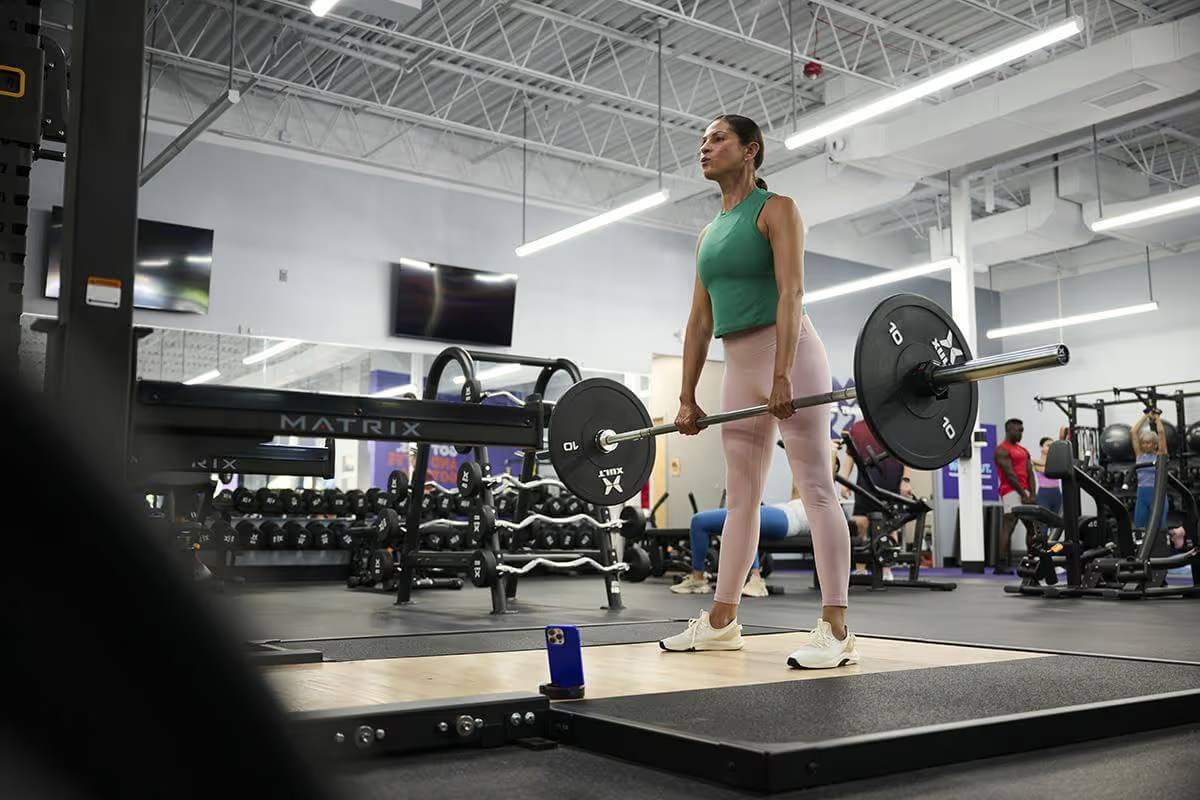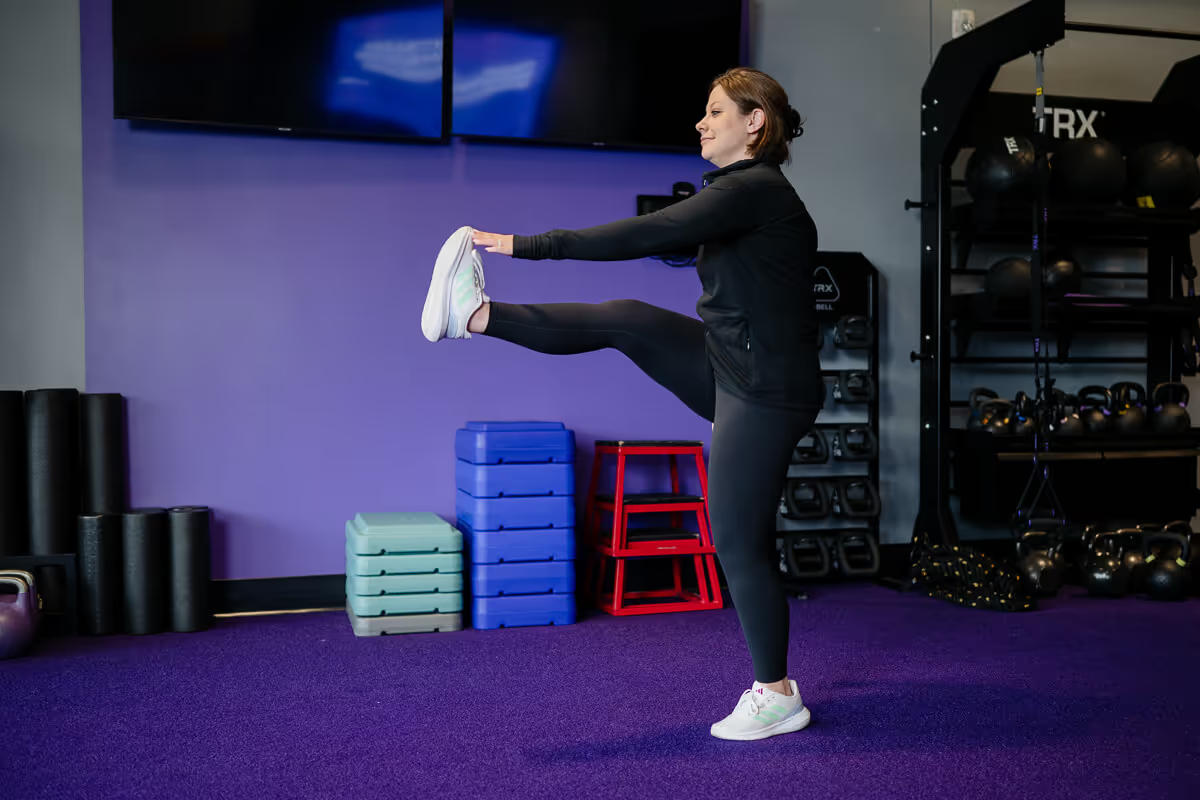


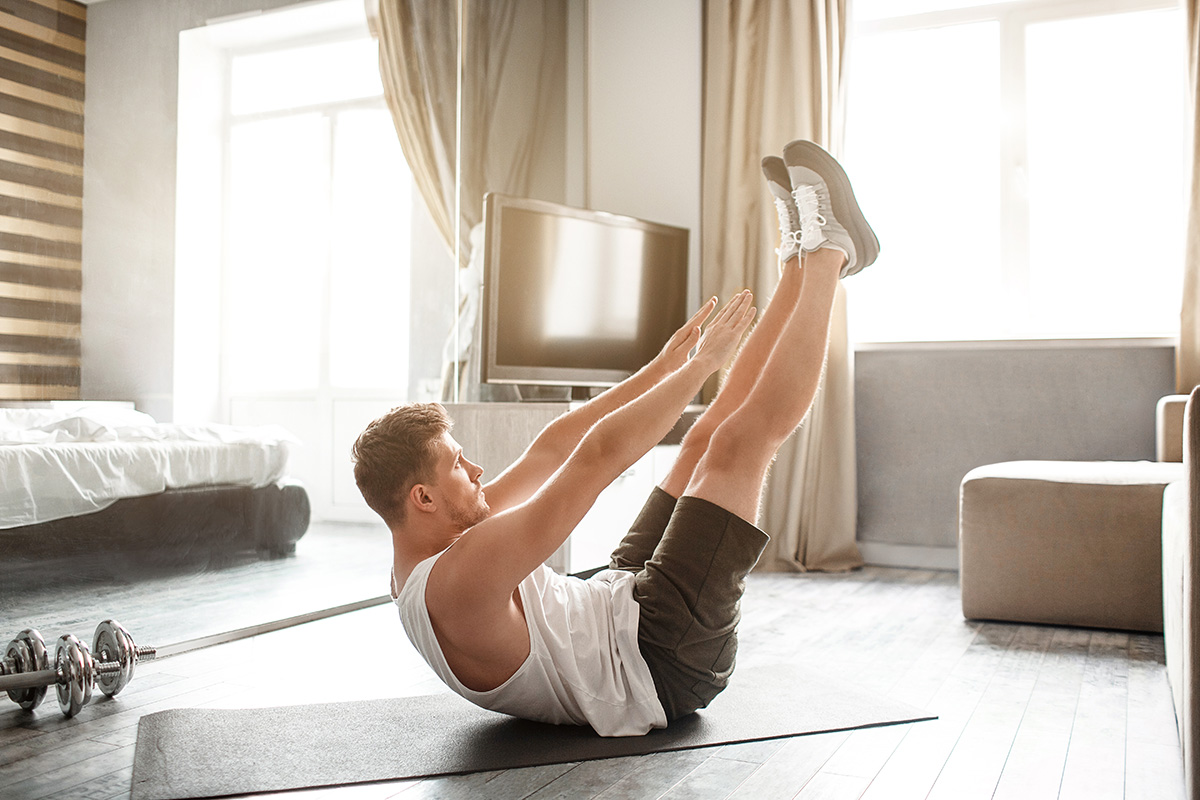
If you’re a seasoned lifter, you’ve come to rely on free weights and gym machines to achieve your goals. But what happens when you’re on the road and away from your trusty routine? A no-equipment workout can help you maintain your gains when your only options are a barebones hotel gym or, even worse, no gym at all. Take it from me, bodyweight training can be just as effective at targeting each muscle group to continue to build muscle so you can continue your training without missing a beat.
In this blog, we’ll cover:
- The difference between using weights and bodyweight
- How no-equipment exercises work to try
- 9 no-equipment exercises to try anywhere
- How to structure bodyweight workouts
How no-equipment workouts help reach strength goals anywhere
The key to building muscle is resistance, and your muscles can’t differentiate between the source — whether it’s a barbell, dumbbell, or just your own bodyweight. What your body responds to is the amount of effort you put in, the tension you create in your muscles, and the fatigue you generate during each rep and set. Well-designed bodyweight exercises can challenge your muscles just as effectively as machines by:
- Increasing time under tension
- Changing tempo
- Manipulating leverage
- Using gravity
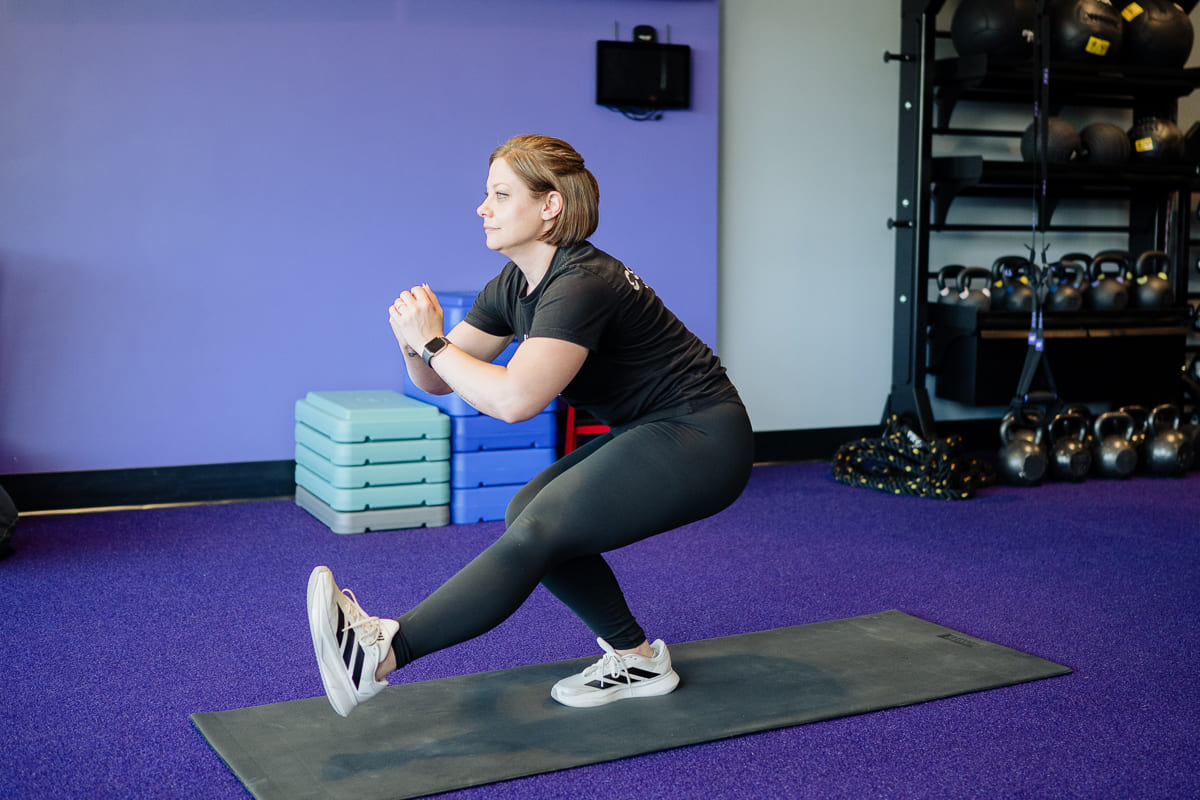
- Performing unilateral movements
- Enhancing mind-body connection
By focusing on technique and maximizing muscle activation, you can create enough intensity to drive muscle growth, strength, and endurance — even without touching a single dumbbell.
No-equipment workouts aren’t just a fallback — they are a proven path to continued progress. Rather than worrying about falling behind on your goals, embracing this style of training is a chance to break out of your usual routine and engage muscles you might otherwise overlook. Training without equipment also forces you to develop greater control, stability, and mobility, which (bonus!) contributes to overall athleticism.
What is the best no-equipment workout?
The best no-equipment workout depends on your goals. A balanced routine should target all major muscle groups, including lower body, upper body, and core. Full-body moves are great for cardio and strength.
9 no-equipment bodyweight training exercises to build upper- and lower-body strength
Whether you’re in a pinch or traveling and away from your gym routine, you can still preserve your strength gains with a bodyweight workout. The following no-equipment exercises let you keep up your fitness routine wherever you are, helping you stay strong and active wherever you go.
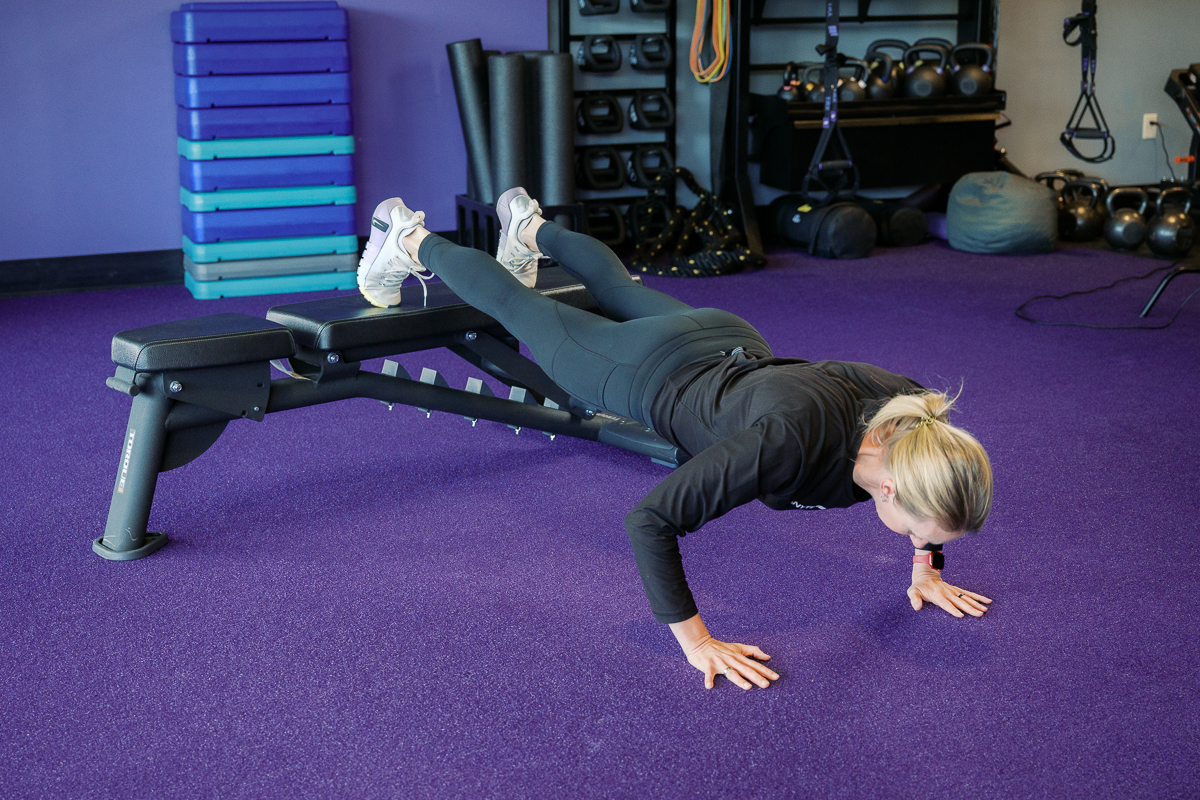
Upper body: Feet elevated push-up
Muscles targeted: Chest/pecs | Equipment alternative: Chest press machine
How to:
- Place your feet on a sturdy bench, chair, or low platform, and position your hands on the floor slightly wider than shoulder-width apart.
- Lower your chest toward the floor in a controlled manner, keeping your elbows at about a 45-degree angle from your torso.
- Pause briefly at the bottom for maximum tension, then press powerfully through your palms to return to the starting position.
Level up: Adjust the bench height or foot elevation to scale the difficulty. The higher your feet, the greater the challenge and the more weight directed toward your chest and shoulders.
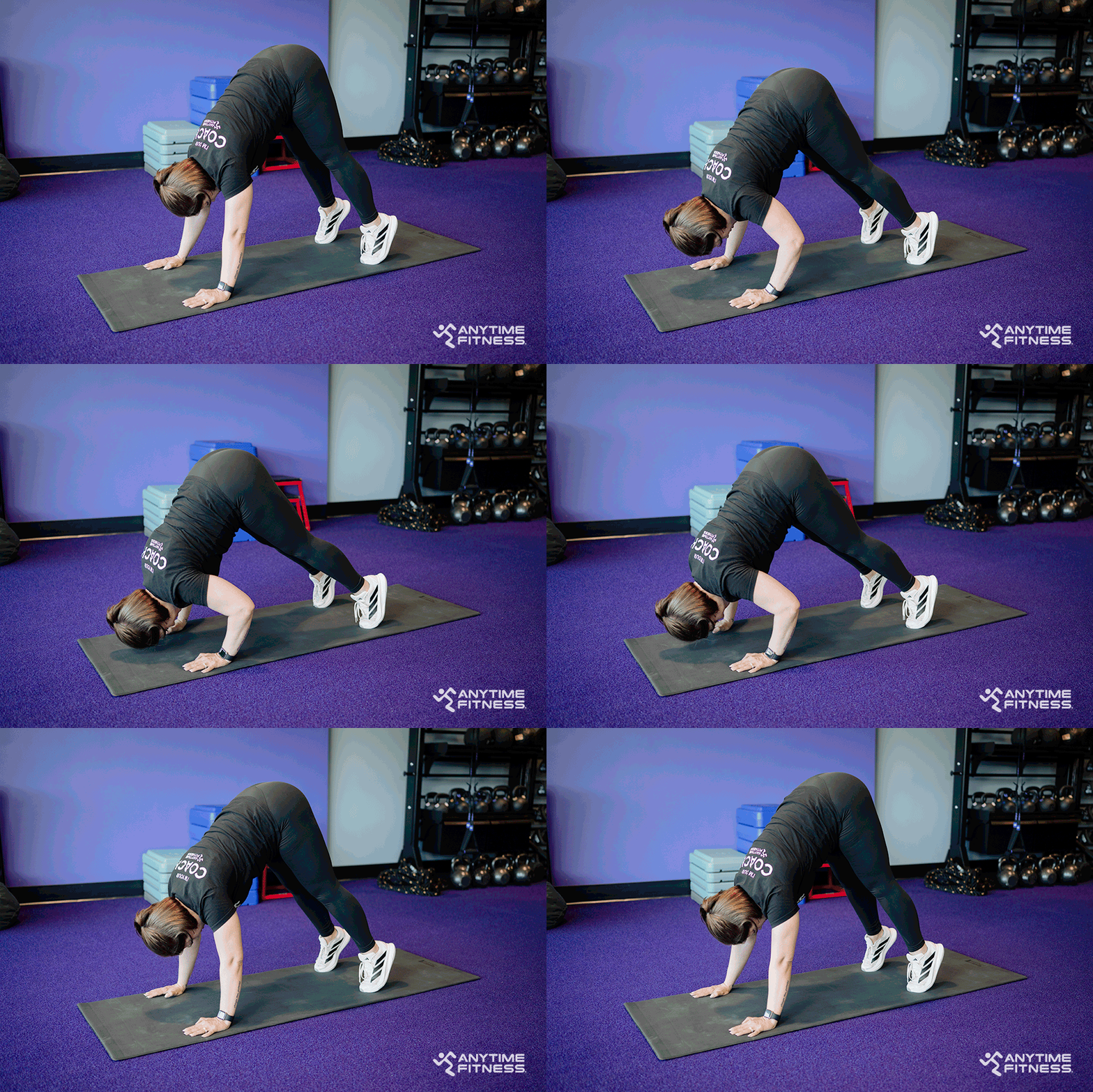
Upper body: Down dog push-up/pike push-up
Muscles targeted: Anterior deltoids and triceps | Equipment alternative: Overhead press
How to:
- Start in a high plank position with your hands shoulder-width apart and your feet hip-width apart.
- Push your hips up and back to form an inverted "V" shape. Your arms should be straight, and your head should be between your arms.
- Bend your elbows and lower the top of your head toward the ground, keeping your elbows pointing out slightly.
- Push through your hands to return to the starting position, fully extending your arms.
Level up: Elevate your feet on a sturdy surface like a bench or step to increase the load on your shoulders.
Back: Prone superman
Muscles targeted: Back, glutes, and core | Equipment alternative: Lat pulldown machine
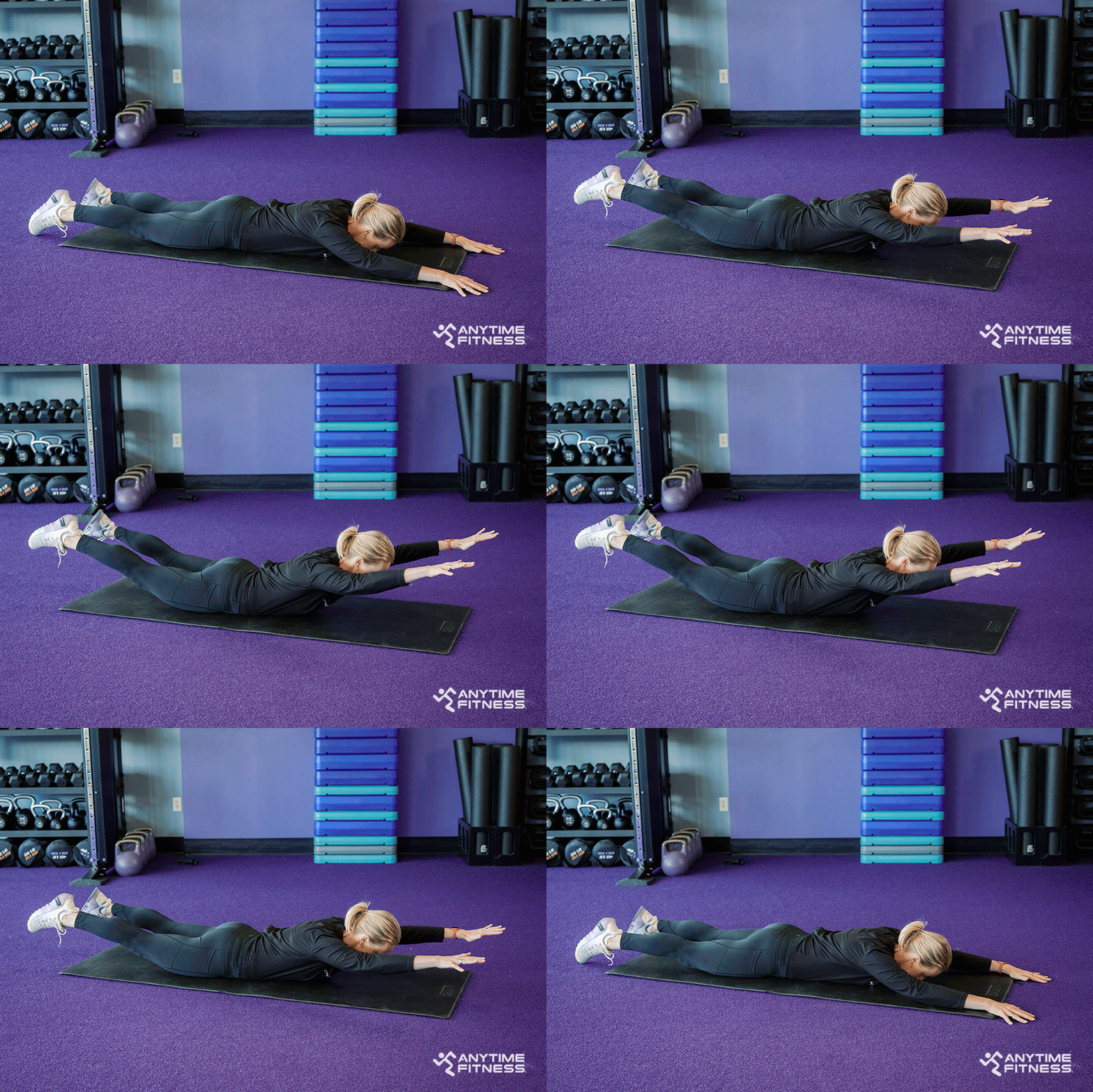
How to:
- Lie face down on the ground with your arms extended straight in front of you and your legs fully extended.
- Engage your core and glutes as you lift your arms, chest, quads, and hips off the ground simultaneously.
- Squeeze your shoulder blades together at the top of the movement, feeling the tension in your lower back. Hold this position for five seconds.
Level up: Extend your arms and legs as far as possible while lifting higher off the ground.
Back: Inverted row
Muscles targeted: Back, biceps, and core | Equipment alternative: Dumbbell row
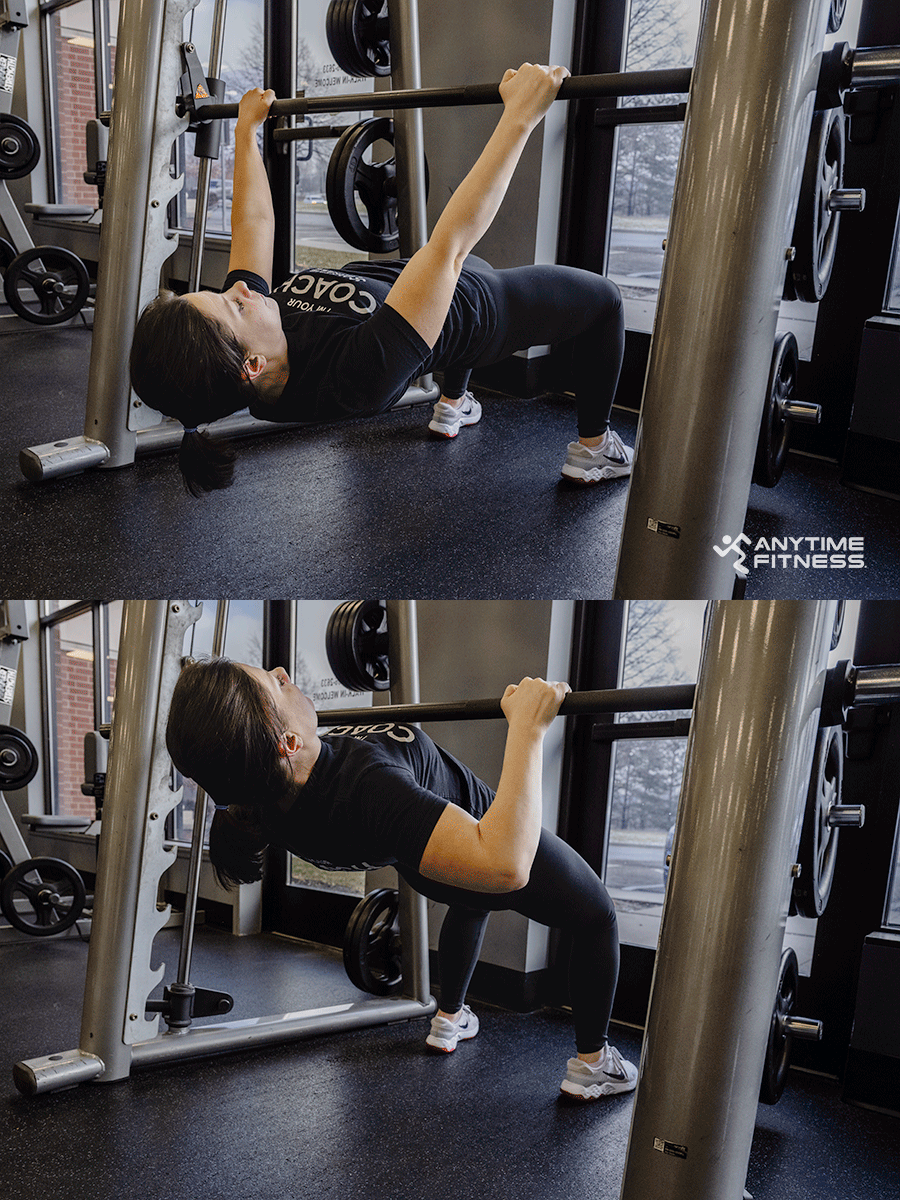
How to:
- Find a sturdy horizontal surface, such as a low bar or table.
- Lie underneath the surface and grab it with an overhand grip, hands slightly wider than shoulder-width apart.
- Extend your legs straight out in front of you, keeping your body in a straight line from head to heels.
- Pull your chest toward the bar or surface by squeezing your shoulder blades together and bending your elbows.
Level up: Elevate your feet on a stable surface or slow down the tempo of each rep to increase time under tension.
Lower body: Bulgarian split squat
Muscles targeted: Quads, glutes, and hamstrings | Equipment alternative: Leg press machine
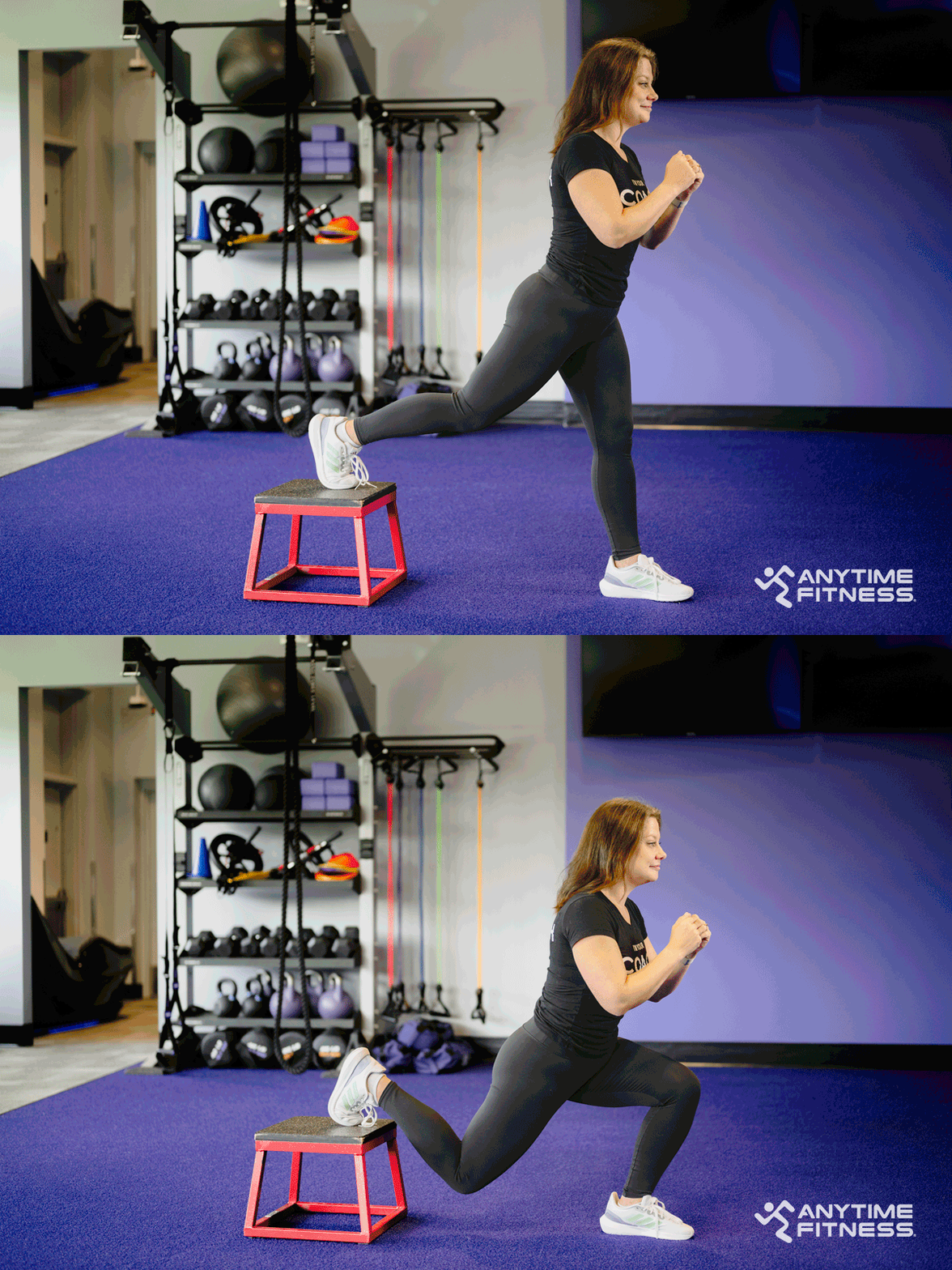
How to:
- Stand a few feet in front of a sturdy surface, such as a bench or step, with your back to it.
- Place the top of one foot on the bench behind you, keeping your other foot firmly planted on the ground.
- Lower your body by bending your front knee, keeping your chest upright and your core engaged. Your back knee should move toward the ground without touching it.
- Push through your front heel to return to the starting position, fully extending your front leg.
Level up: Place your hands behind your head to engage your core and improve balance.
Lower body: Single-leg glute bridge
Muscles targeted: Glutes, hamstrings, and core | Equipment alternative: Hip thrust or weighted glute bridge
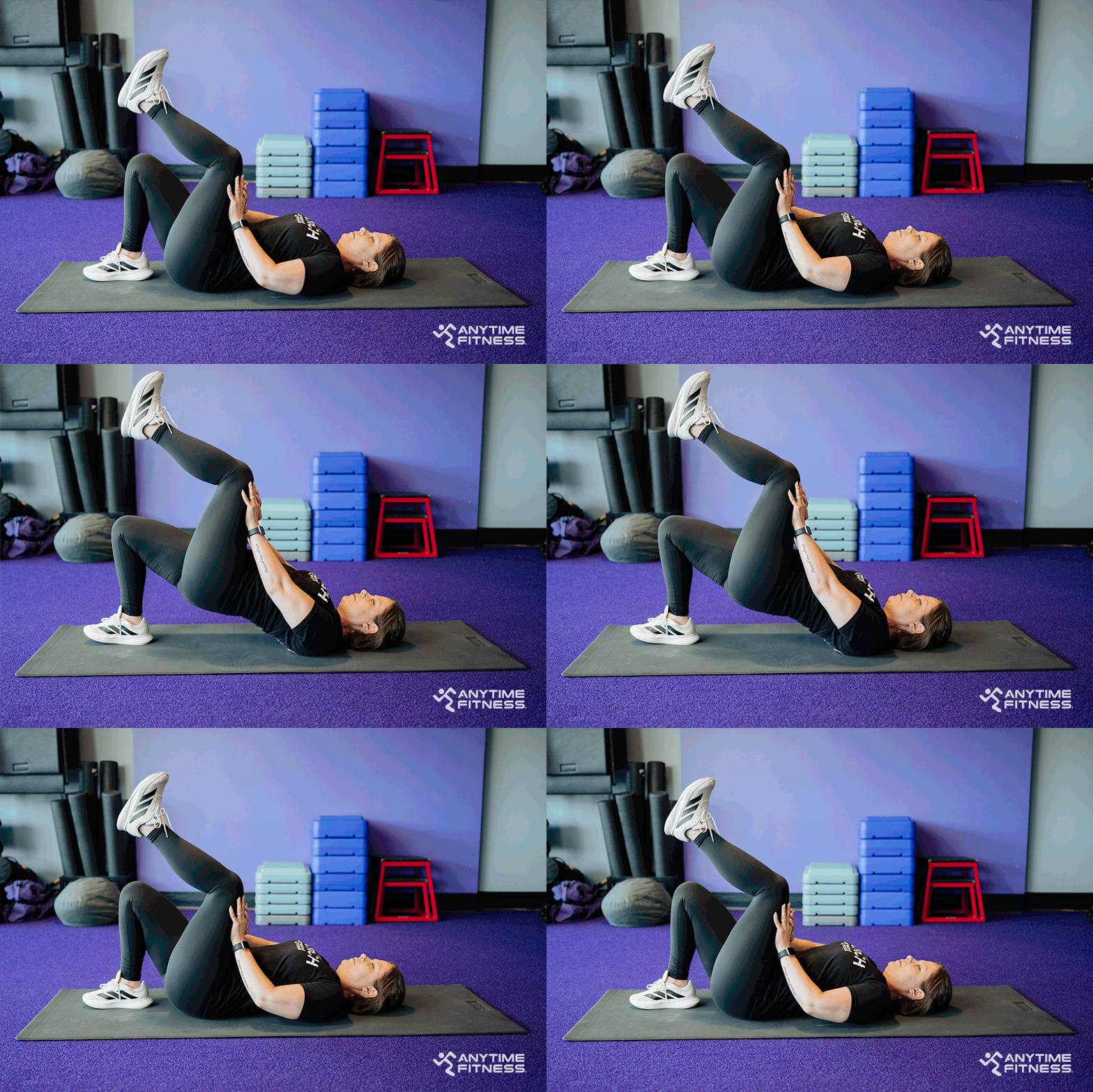
How to:
- Lie on your back with one knee bent and the other leg extended straight out. Place your arms at your sides for stability.
- Press through the heel of your bent leg as you lift your hips toward the ceiling, forming a straight line from your shoulders to your extended leg.
- Squeeze your glutes at the top of the movement and hold for a second.
Level up: Elevate your shoulders on a sturdy surface like a bench or step to increase the range of motion.
Lower body: Sliding hamstring curl
Muscles worked: Hamstrings, glutes, and core | Equipment alternative: Hamstring curl machine
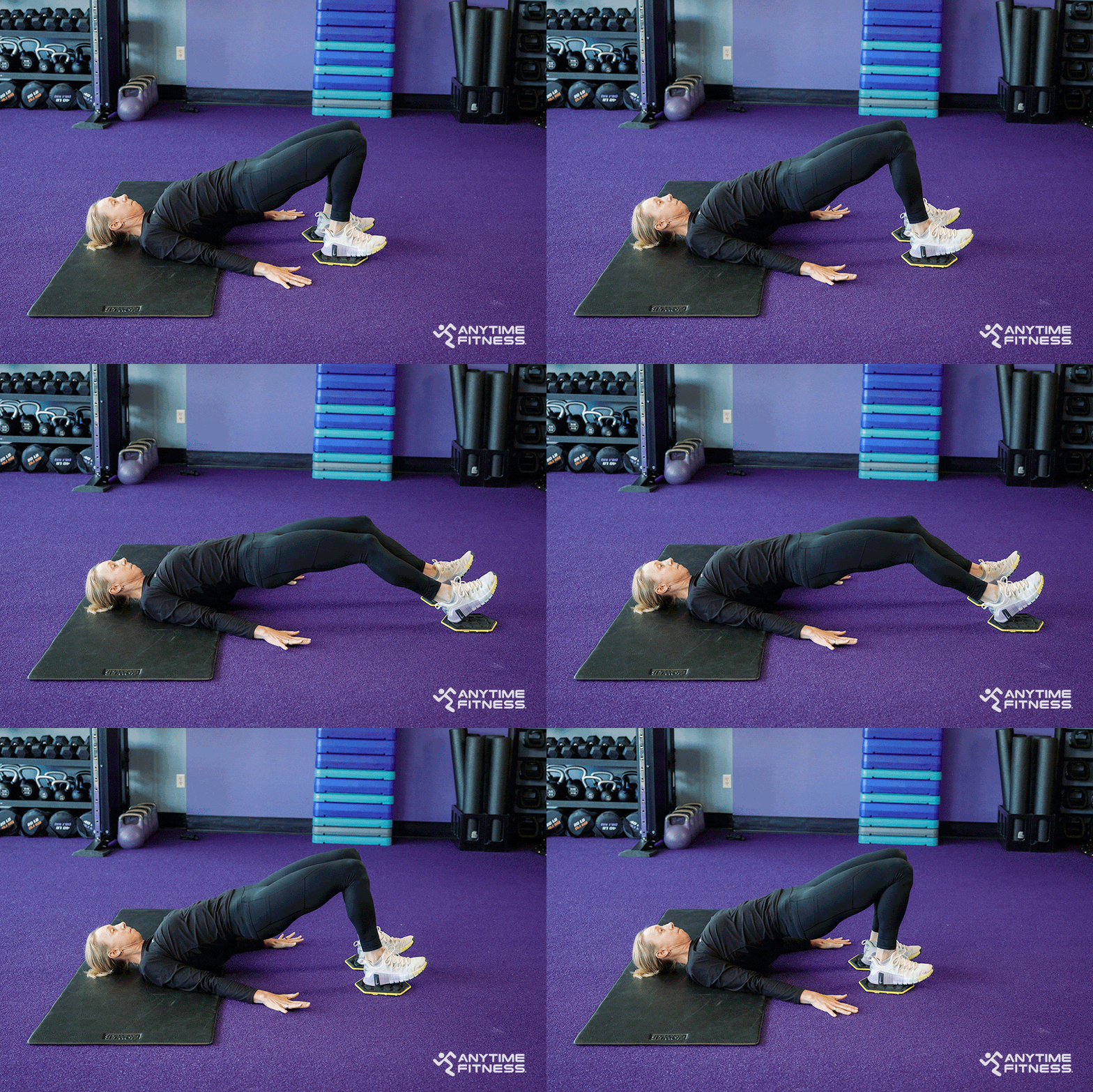
How to:
- Lie on your back with your knees bent and your feet placed on towels or socks on a smooth surface.
- Lift your hips off the ground into a glute bridge position, keeping your core engaged.
- Slowly extend your legs by sliding your feet away from your body while maintaining the bridge position.
- Pull your feet back toward your body to return to the starting position, squeezing your hamstrings and glutes.
Level up: Perform the movement one leg at a time.
Core: Hollow hold
The hollow hold builds strength and stability throughout your entire midsection. It mimics the benefits of weighted core movements by creating constant tension in your abs, helping to improve posture and overall core endurance.
Muscles worked: Transverse abdominis, rectus abdominis, and obliques | Equipment alternative: Band-resisted dead bugs
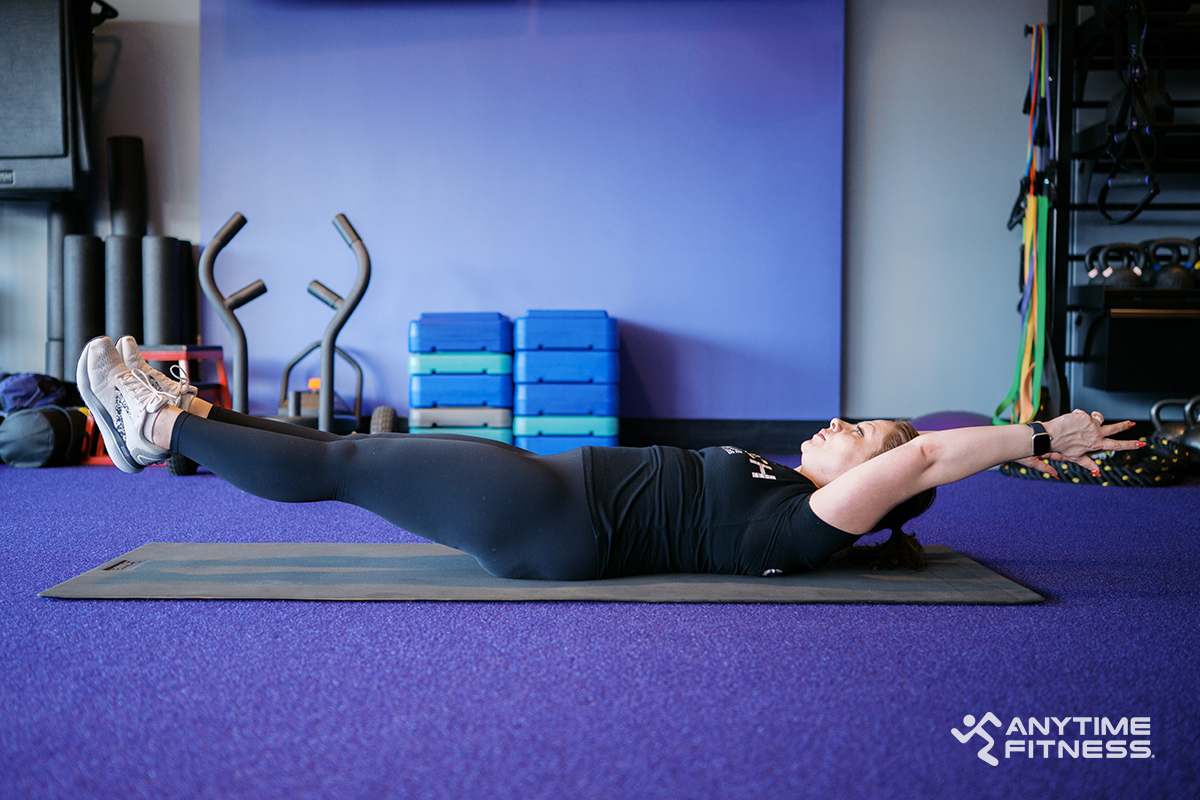
How to:
- Lie flat on your back with your arms extended overhead and your legs straight.
- Engage your core by pressing your lower back firmly into the ground.
- Lift your arms, shoulders, and legs off the ground, creating a slight curve in your body. Your arms and legs should hover a few inches above the floor.
- Hold this position for as long as you can maintain a straight back.
Level up: Rock gently back and forth while holding the position.
Full body: Broad jump
Muscles worked: Quads, glutes, and core | Equipment alternative: Box jumps
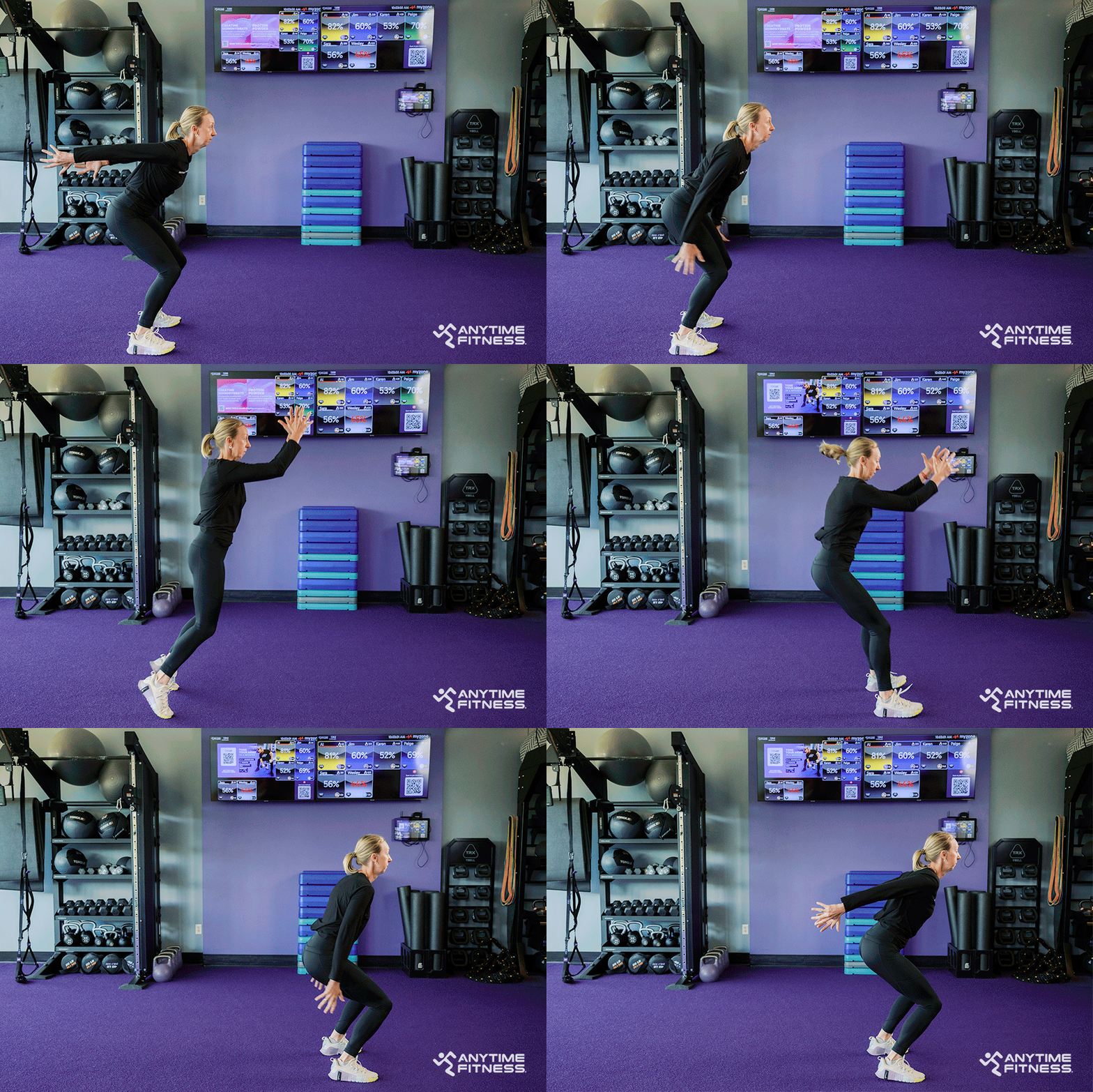
How to:
- Stand with your feet shoulder-width apart and your arms at your sides.
- Lower into a squat position, keeping your chest up and your weight in your heels.
- Swing your arms back, then explosively jump forward as far as you can, propelling yourself with your legs and arms.
- Land softly on the balls of your feet, bending your knees to absorb the impact.
Level up: Aim to jump farther with each rep and jump consecutively without pausing between landings.
How to structure bodyweight workouts for strength gains without equipment
To build strength with bodyweight training, it’s all about smart adjustments and focusing on key variables like rep range, tempo, and range of motion.
- Rep range: Aim for eight to 15 reps per set, completing three to four sets for each exercise.
- Tempo: Slow down your movements to increase time under tension, which helps build strength and control.
- Leverage: Modify angles to make exercises harder, such as elevating your feet during push-ups or inverted rows.
- Range of motion: Maximize depth and control in every movement to fully engage your muscles.
- Unilateral variations: Incorporate single-sided exercises to improve balance and strength.
- Proximity to failure: Push yourself close to failure, stopping one or two reps before your limit to maximize effort without compromising form.
- Progressive overload: Gradually increase the challenge by adjusting tempo (slowing down reps), leverage (changing angles), or range of motion (going deeper into movements).
Embrace the power of a no-equipment workout
No-equipment workouts are an opportunity, not a limitation! After 20 years in the fitness industry, I’ve learned to view on-the-go workouts as a chance to train differently rather than feeling frustrated about being away from my usual setup. Even as a trainer, I’m often humbled by how effective these movements can be — especially when I wake up sore the next day! So, have fun, embrace the challenge, and let no-equipment workouts surprise you.
More workouts and Coach-approved insights
- Progressive Overload: The Strength Principle You Need to Know
- 16 Stretches to Do Before Working Out for Proactive Recovery
- 20-Minute Living Room Workout to Promote and Maintain Muscle Gain
- The Best Treadmill Workouts to Supplement Your Strength Routine
With more than 5,500 locations across the globe, an AF gym is never far, even when you’re on the go. Find a gym near you — no matter where you are.