

Sometimes, life can get a little crazy. Busy work schedules, seasonal travel, kids’ activities, the list goes on. But the hustle and bustle of daily life doesn’t have to keep you from working toward your fitness goals. Allow us to introduce you to a secret workout weapon: bodyweight workouts. Did you know that living room workouts without equipment can help you build and maintain strength? It’s true, and we’re here to tell you how.
We’ll cover:
- Why living room workouts are effective
- How to incorporate at-home bodyweight workouts into your routine
- A 20-minute living room workout for full-body strength
Are at-home bodyweight workouts effective?
When part of a broader strength training program, living room workouts can be very effective for reaching your strength goals. However, depending on your goals, you’ll want to head to the gym for at least some of your workouts. This is because the different phases of strength training require varying workout schedules and volumes. In a typical strength training routine, you’ll cycle through different phases that build on one another. Here’s an overview:
- Phase 1: Stabilization endurance
- Phase 2: Strength endurance
- Phase 3: Muscular development (aka hypertrophy)
- Phase 4: Maximal strength
- Phase 5: Power
To promote and maintain muscle growth, you’ll cycle through Phases 1–3.
If you’re training for stabilization endurance (Phase 1), living room workouts focused on stability can help you build a strong foundation for later phases. Think: Planks, glute bridges, bodyweight squats, and push-ups.
If you’re working to build muscular endurance (Phase 2), at-home bodyweight workouts can supplement your gym workouts. Bodyweight exercises are ideal for increasing muscular endurance and stamina because they can be done for progressively higher rep counts, setting you up for success in later training phases.
For example: Doing jump squats for as many reps as possible (AMRAP) builds endurance in your quads to prepare them for barbell front squats. Track your PRs and try to increase the number of reps you can do each week.
If you’re working toward muscular hypertrophy (Phase 3), using free weights, barbells, and cable machines will allow for much more variety during your additional sets and reps. Hypertrophy requires increased workout volume (i.e., more sets, more reps, and higher resistance) to increase muscle mass and size.
Put simply: At-home bodyweight workouts are an effective supplement to Phases 1 and 2 of your strength training routine when combined with other types of strength training.
Can you build muscle mass with bodyweight workouts?
Yes, it’s possible to build muscle mass with bodyweight exercises, as long as you incorporate the principles of progressive overload and gradually challenge yourself to a higher volume. Whether you’re using free weights, machines, or your bodyweight as resistance, you’ll add muscle mass and strength by exposing your body to more challenging workouts over time.
Having at-home bodyweight workouts in your back pocket can help you stay on track and maintain your strength gains when you’re not able to access a gym.
How often should you do at-home bodyweight workouts?
The frequency of your living room workouts depends on your training schedule, personal life, and proximity to the gym. You’ll build strength faster if you’re regularly working out in the gym, but sometimes life gets in the way (we get it!).
While a combination of gym and living room workouts is ideal during these times, if you simply must stick to at-home workouts, make sure you’re meeting the weekly guidelines for physical activity. The Physical Activity Guidelines for Americans recommend at least 150 minutes of moderate to intensity physical activity per week, with at least two days of strength training mixed in.
So, if you’re only exercising at home, work out as often as you typically would if you were going to the gym (or more). Frequency is often enough to maintain your regular training schedule. For example: You could work out for 20 minutes every day, with at least two days of bodyweight strength training. Or follow a five-day split that incorporates three 50-minute workouts and two days of strength training. The best workout schedule is the one that you can do consistently!
Should you warm up before doing a living room workout?
Yes — it’s essential to warm up before every workout, including living room workouts. No matter the intensity or the equipment you’re using, warming up prepares your mind and muscles for physical activity, improves your mobility to prevent injury, and increases blood flow to make your workout more effective. In the bodyweight workout below, we’ve included a quick warm-up with three easy indoor exercises.
20-minute living room workout: 12 exercises you can do at home
Let’s get down to it. This full-body strength workout features 12 exercises you can do at home to build muscle with no equipment — just your bodyweight. (We’ll explain how to do each exercise below!)
Warm-up:
- Single-leg resisted glute bridge (10 reps per side)
- Superman T-hold (30–60 seconds)
- Single-leg reach (10 reps per side)
Upper-body circuit:
- Push-ups
- Side plank rotations
- Pike push-ups
- Dips
Lower-body circuit:
- Bear hold hip extension
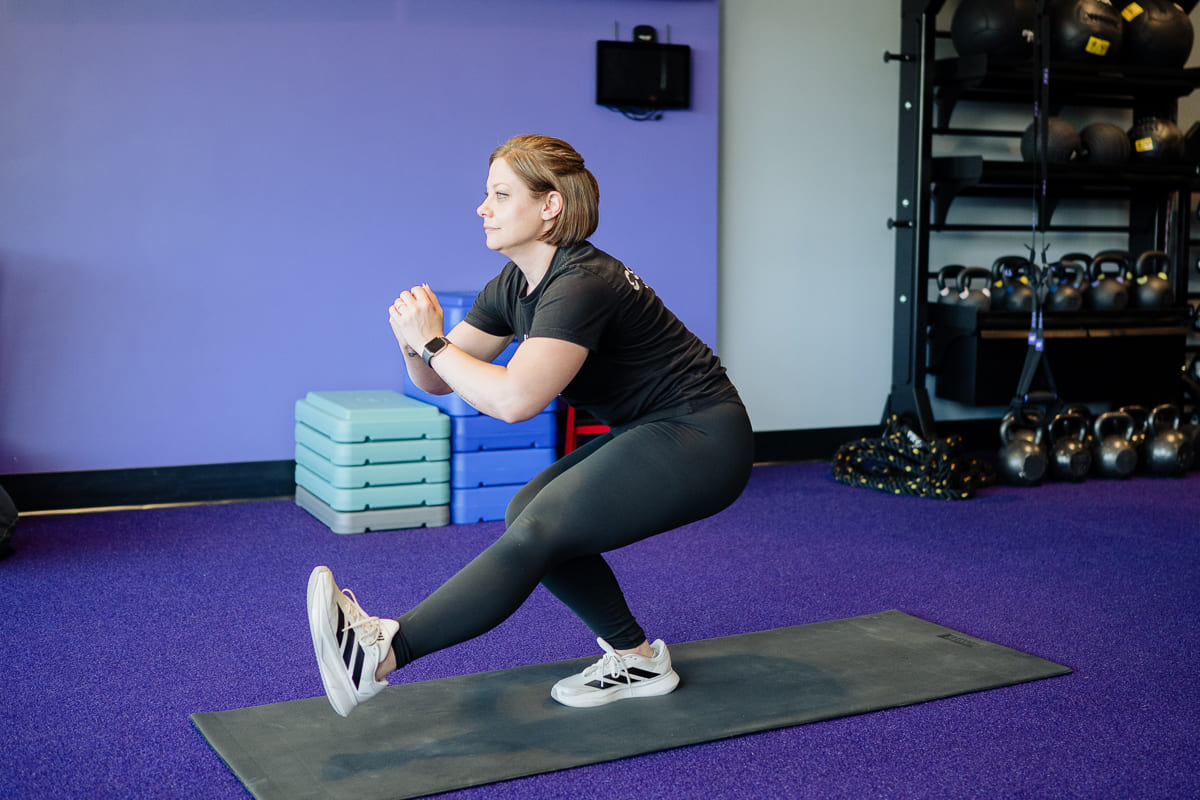
- Pistol squat
- Jump lunges
- Reverse plank
Perform the upper- and lower-body circuits two times. Do each exercise for 40 seconds, then rest for 20 seconds before moving on to the next exercise. For single-sided exercises, switch sides at the 20-second mark.
Cooldown:
- Single-leg dynamic calf raise (10 reps per side)
Here’s how to do each exercise in this at-home bodyweight workout.
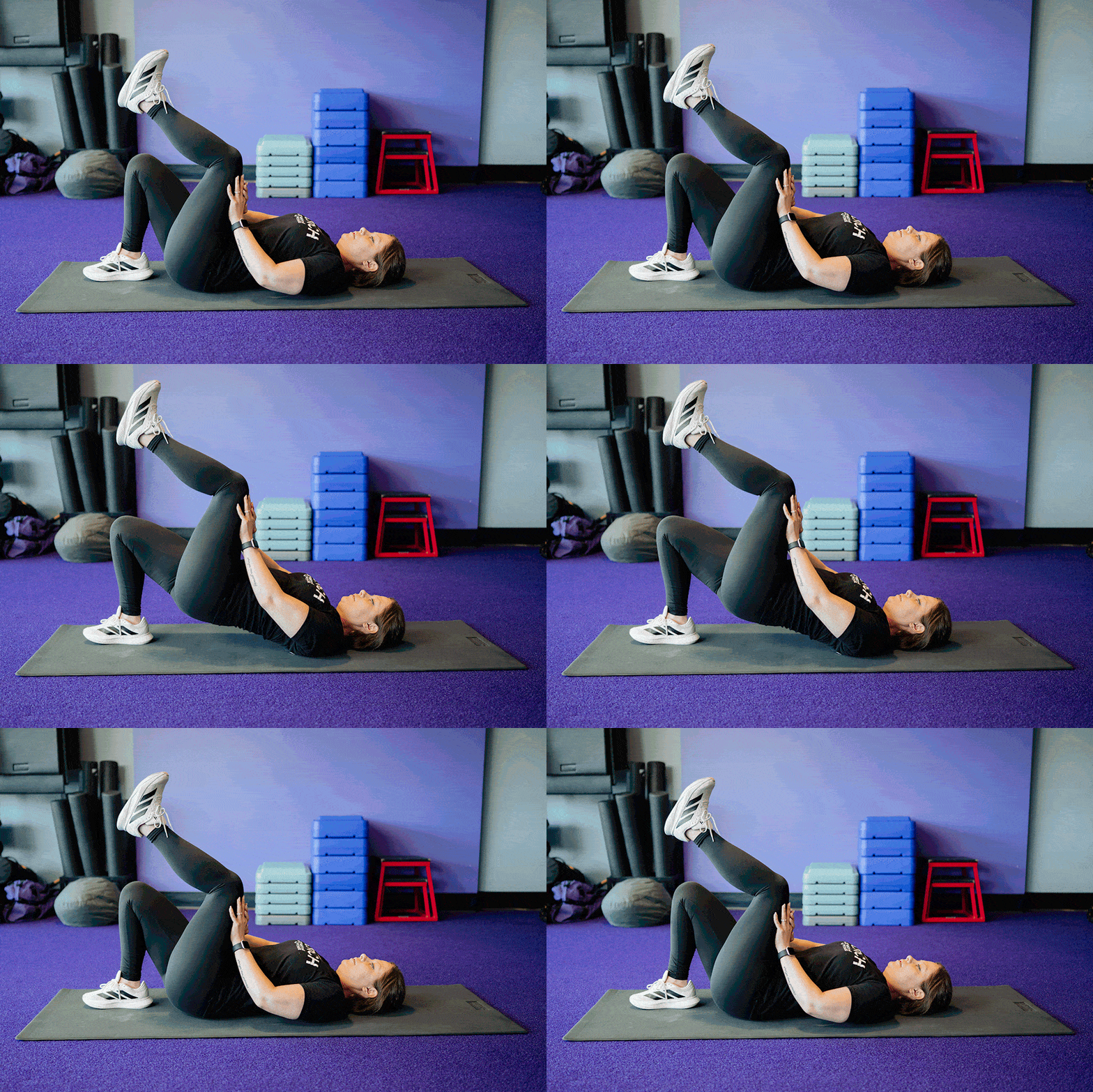
Single-leg resisted glute bridge
Muscles worked: Glutes, hamstrings
How to:
- Lie on your back with your knees bent and feet flat. Raise one leg straight up in the air.
- Place your hands on top of your knee and attempt to push down the raised leg to create tension.
- Hold the tension as you raise your hips off the floor, making a straight line from your hips to your shoulders.
- Lower yourself back to the floor and repeat with the other leg.
Superman T-hold
Muscles worked: Upper, middle, and lower back
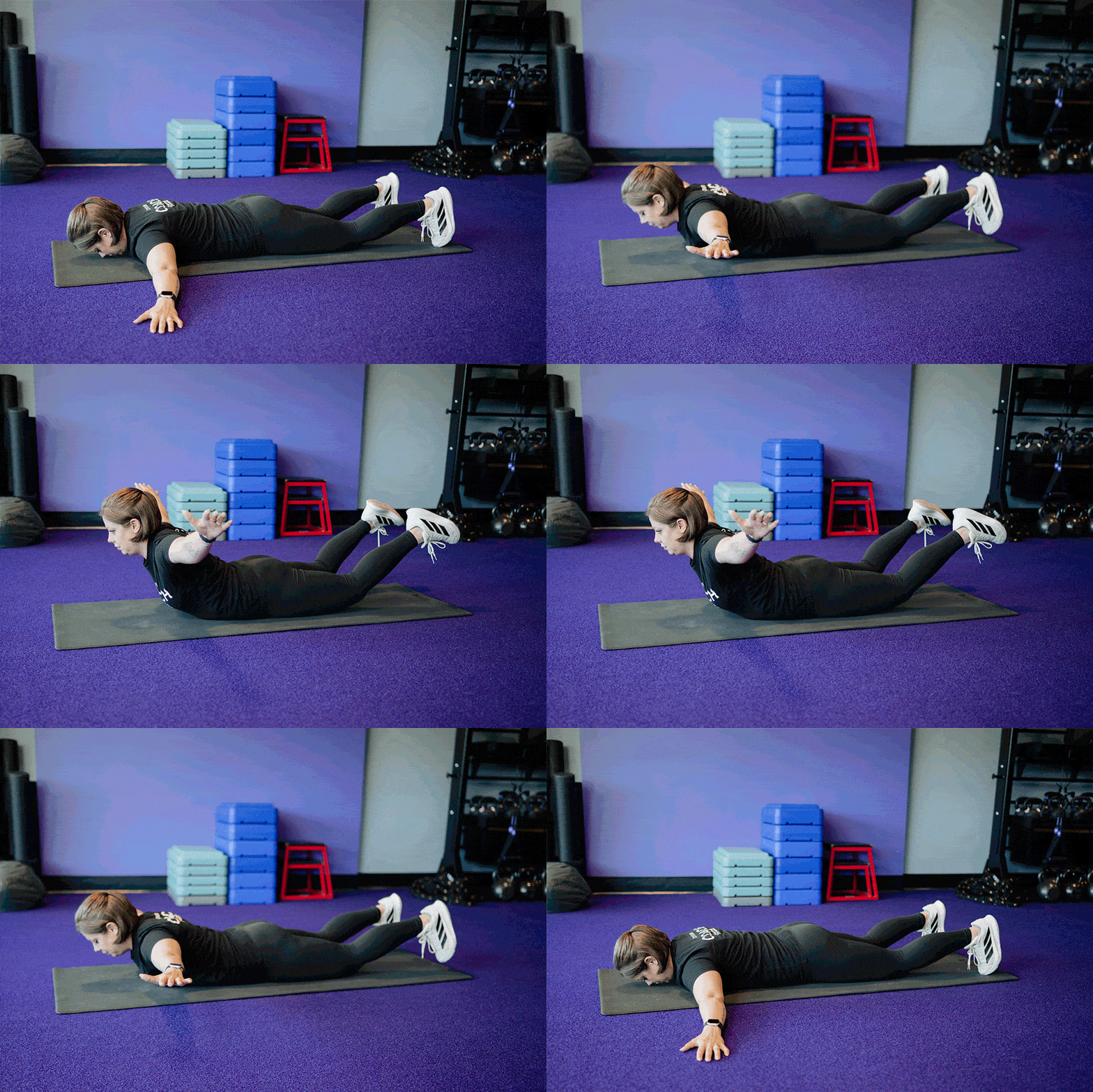
How to:
- Lie face down on the ground with your legs straight and arms stretched out to the side.
- Raise your upper body, arms, and legs about 18 inches off the floor, as if you’re flying.
- Hold this position for several seconds, then lower yourself back to the floor and repeat.
Single-leg reach
Muscles worked: Glutes, hamstrings

How to:
- Strand upright and secure your balance on one leg. Extend your other leg straight out behind you.
- While maintaining your balance, hinge at your hips and reach forward as far as possible with both arms, then return to the starting position.
Complete all 10 reps on one side before switching to the other.
Push-ups
Muscles worked: Chest, shoulders, core

How to:
- Support your body on your toes and hands with your elbows bent and your chest nearly touching the ground.
- Push up to a straight arm position.
- Lower your body back to the start position and repeat.
- Keep your back flat and your hips in line with your shoulders throughout the exercise.
Side plank rotation
Muscles worked: Core, shoulders
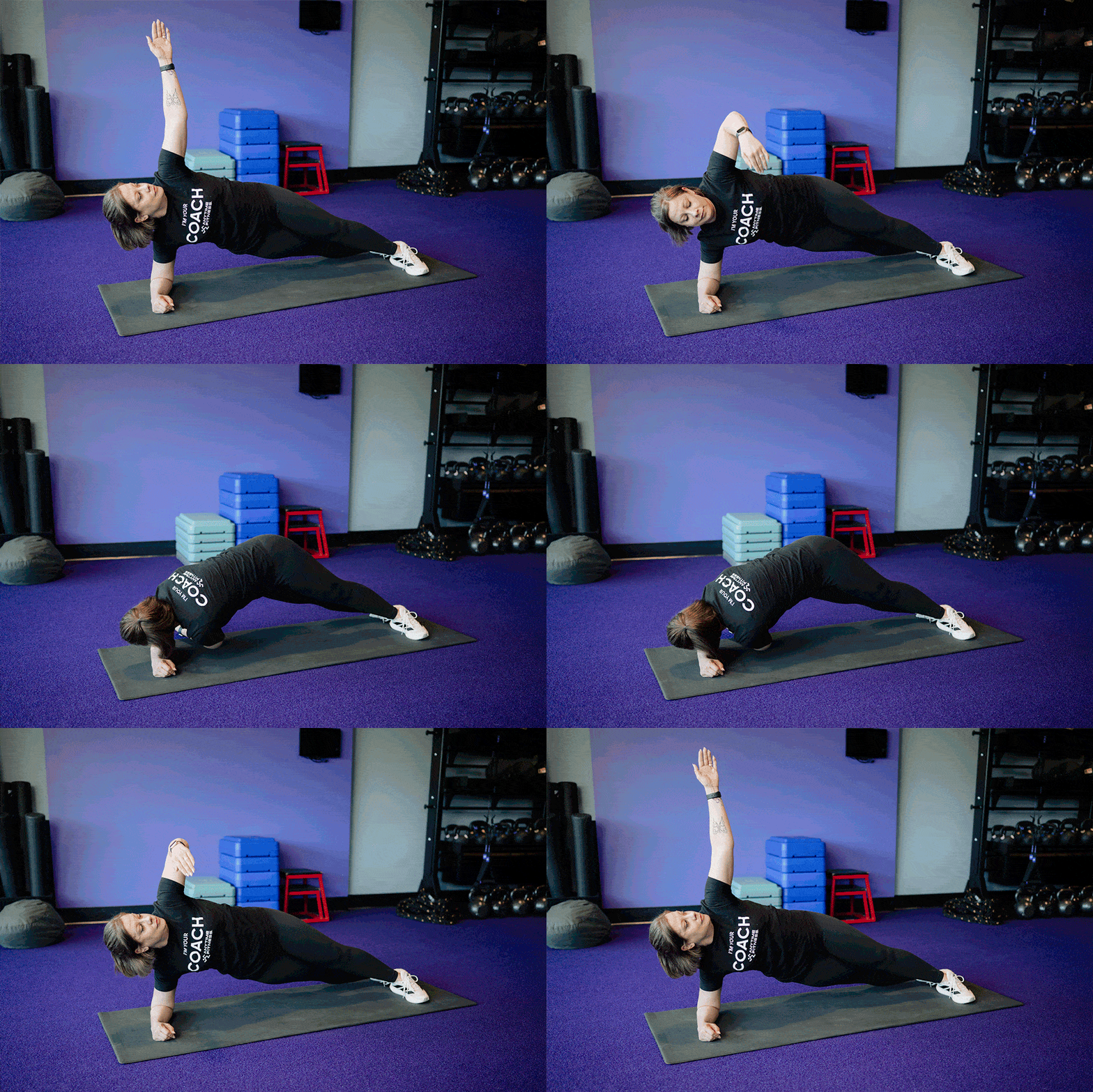
How to:
- Lie on your side on the ground and raise up, resting on the side of your bottom foot and forearm.
- Lower your top arm across and under your chest, reaching to your opposite side and twisting your torso.
- Twist your torso back to the front and raise your arm up straight toward the ceiling over your shoulder.
Pike push-up
Muscles worked: Shoulders
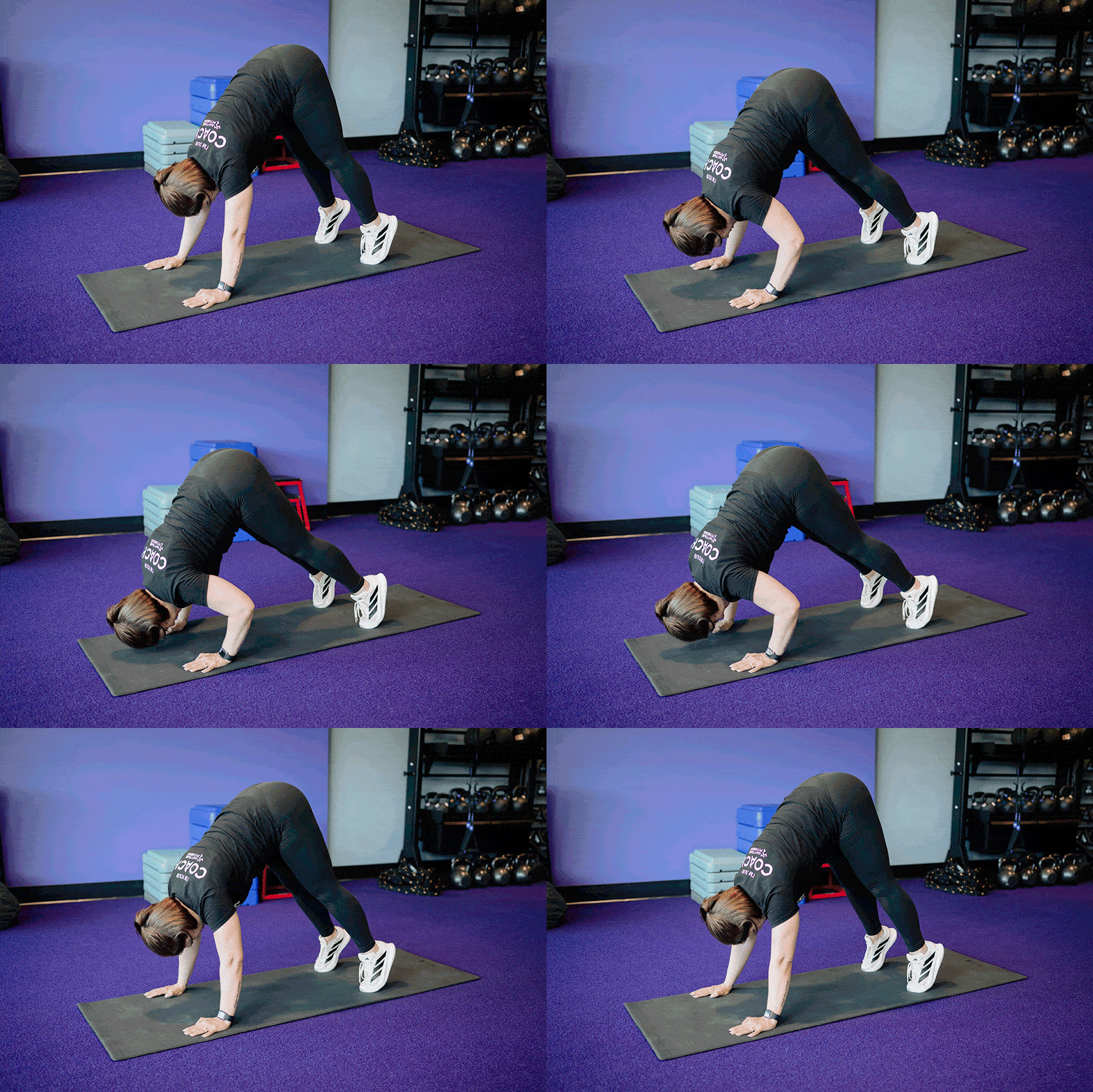
How to:
- Place your feet on a sturdy surface around knee height, such as a couch or coffee table.
- Place your hands on the floor with your arms straight. Pike your hips high into the air, keeping your back flat.
- Bend at your elbows and lower your head toward the floor.
- Push up to the starting position until your arms are straight.
Dips
Muscles worked: Arms, core
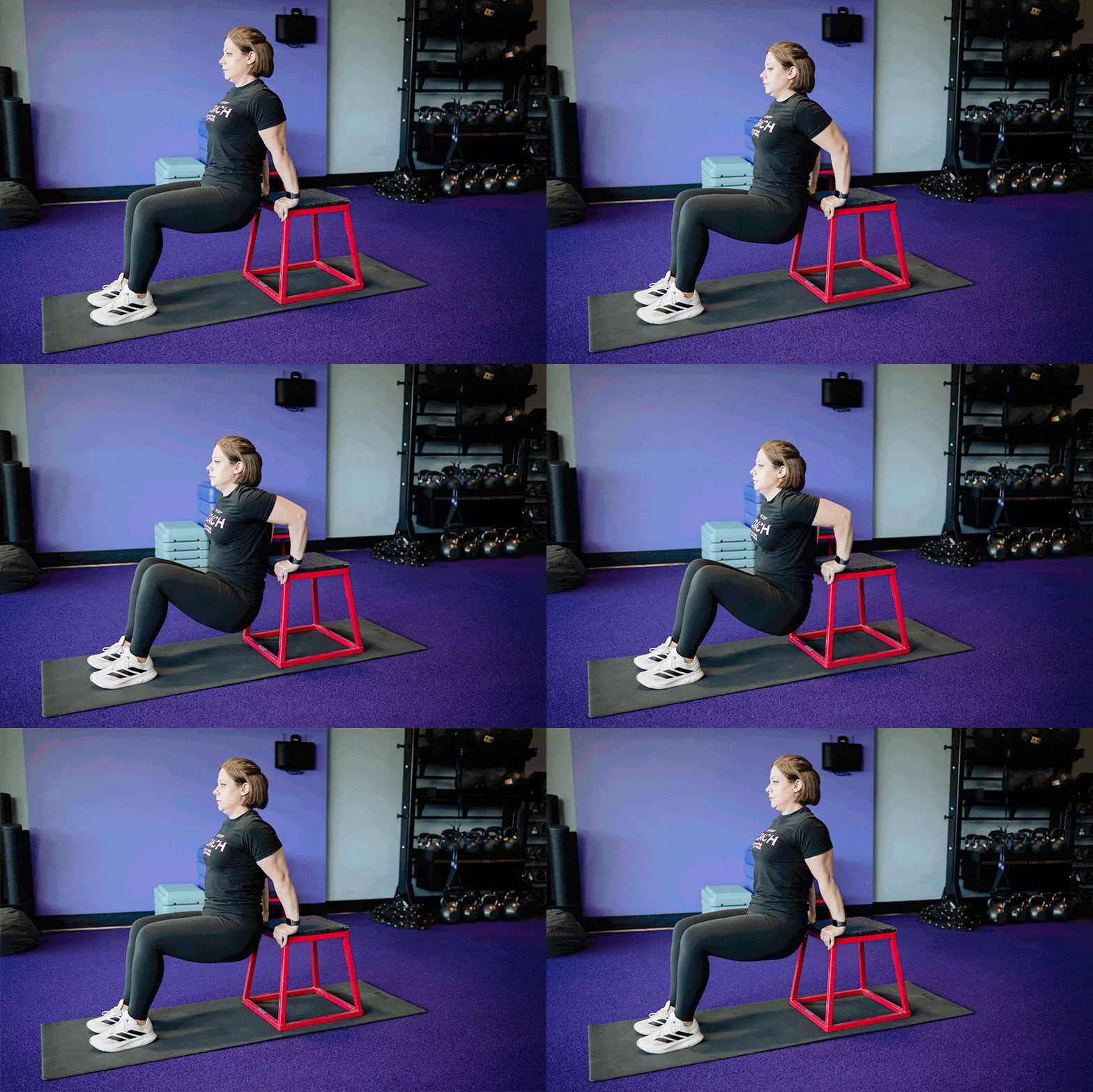
How to:
- Place your palms behind you on a sturdy surface that is about knee height. Keep your arms and legs straight with your heels on the floor.
- Bend at the elbows to lower your body toward the floor.
- Push up through your palms to return to the starting position.
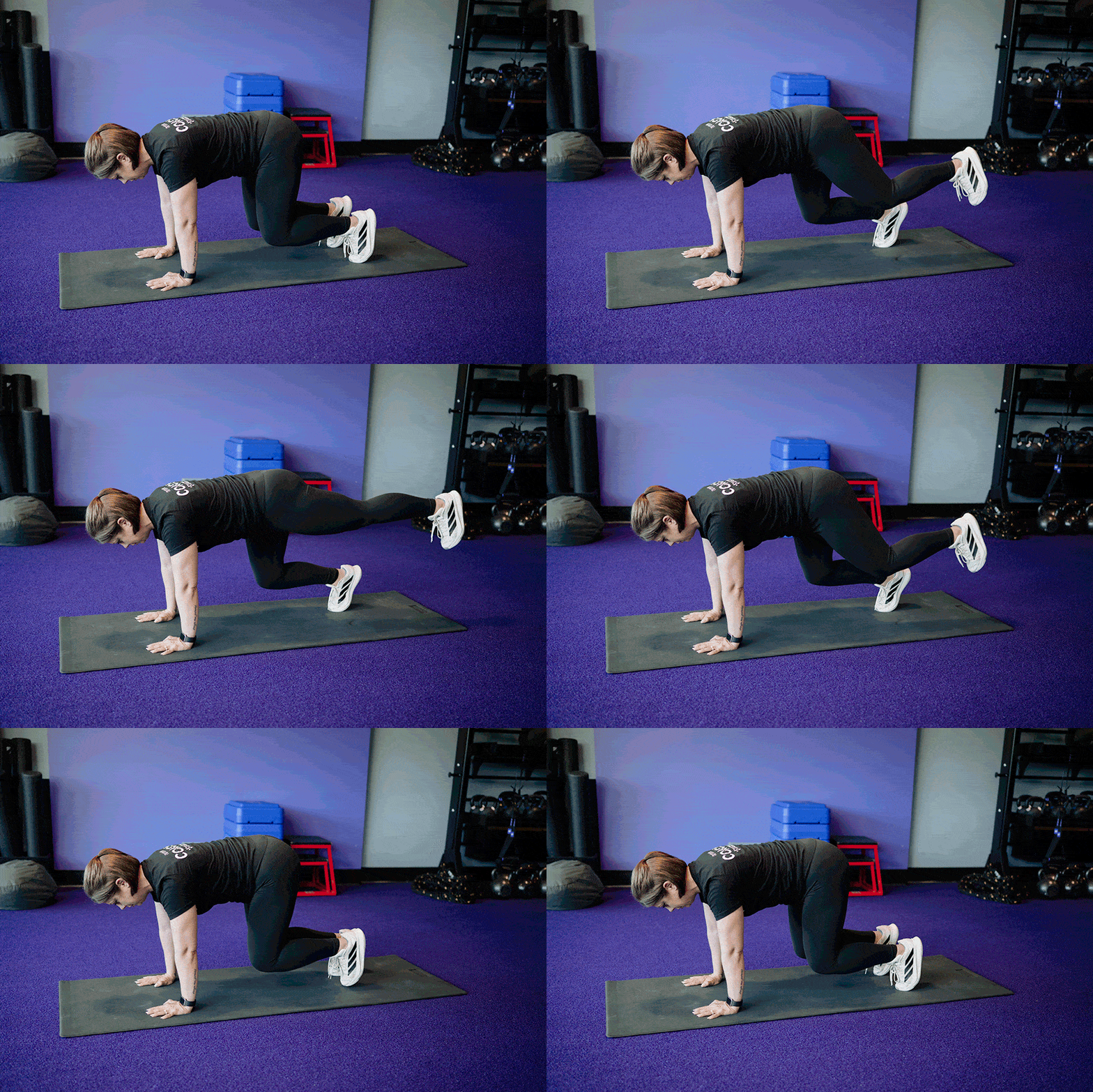
Bear hold with hip extension
Muscles worked: Core, shoulders, glutes
How to:
- Start in a quadruped (tabletop) position with your hands directly below your shoulders and knees below your hips.
- Lift your knees about 2 inches off the ground to get into the bear hold position.
- Extend one leg out with your foot flexed, aiming your heel toward the wall behind you.
- Hold your leg extended for a count or two, then return to the bear hold position with both feet planted on the ground.
Keep your core stable to avoid hip movement throughout the exercise. Complete all reps on one side before switching to the other.
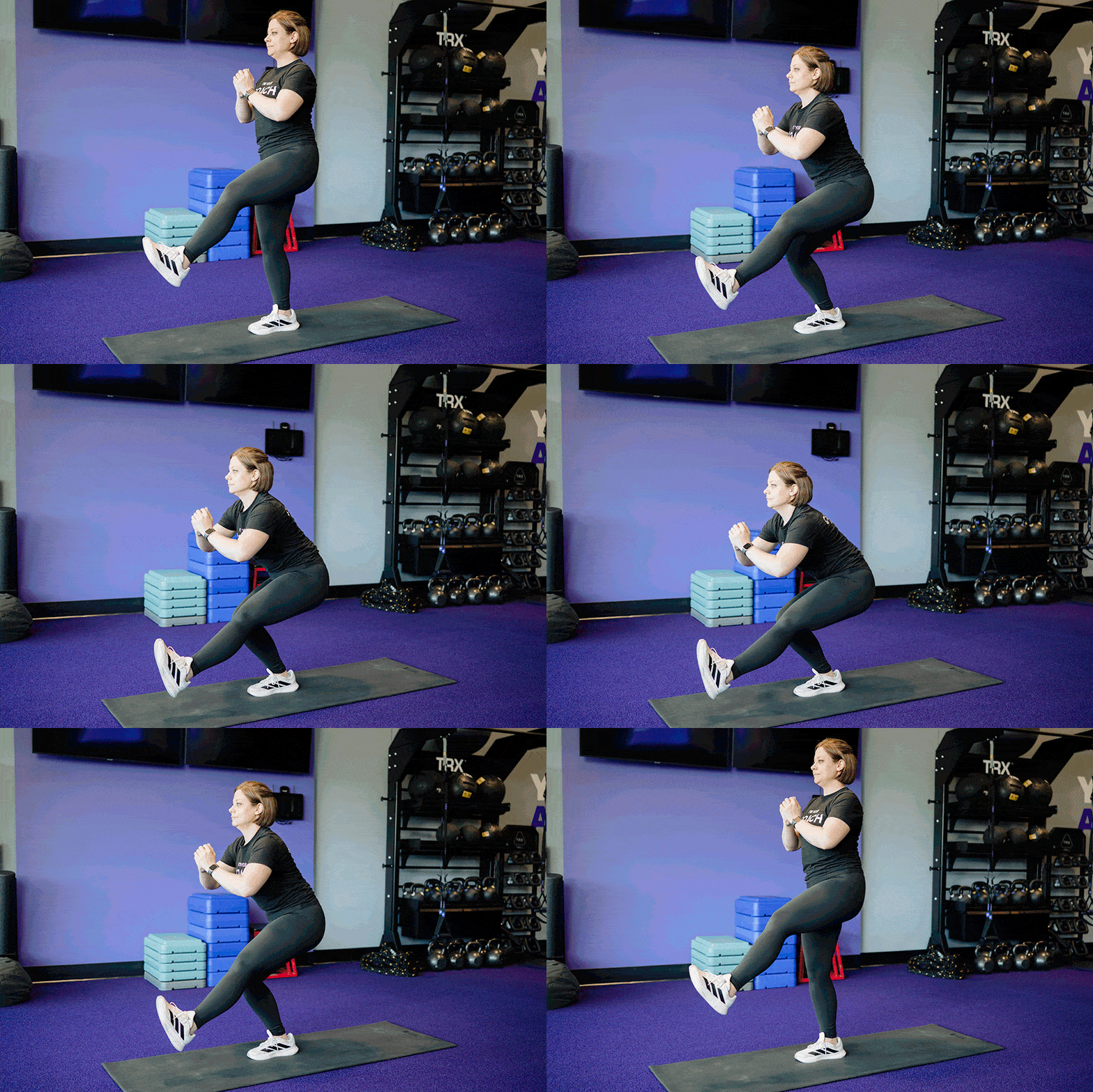
Pistol squats
Muscles worked: Quads, glutes
How to:
- Stand upright with your arms extended forward and one foot raised off the floor in front.
- Lower your body toward the floor, sending your hips back and down. Keep your raised leg straight out in front.
- Push off your standing leg to return to the upright position.
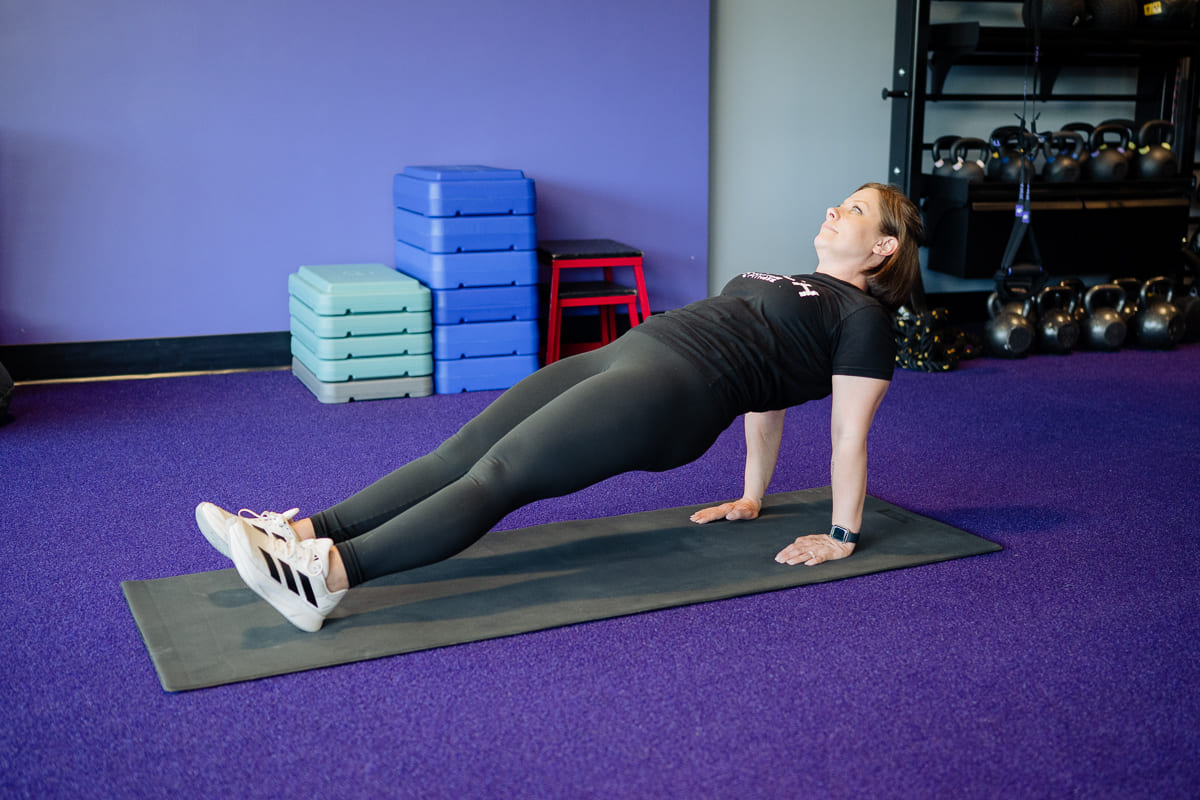
Reverse plank
Muscles worked: Hamstrings, core, shoulders, glutes
How to:
- Sit on the ground with your legs straight and hands behind your hips. Point your fingers toward your toes.
- Brace your core and squeeze your glutes to lift into a reverse plank. Keep your body in a straight line.
- Hold the plank for as many seconds (or minutes) as you’re able before gently lowering your hips to the floor to finish the rep.
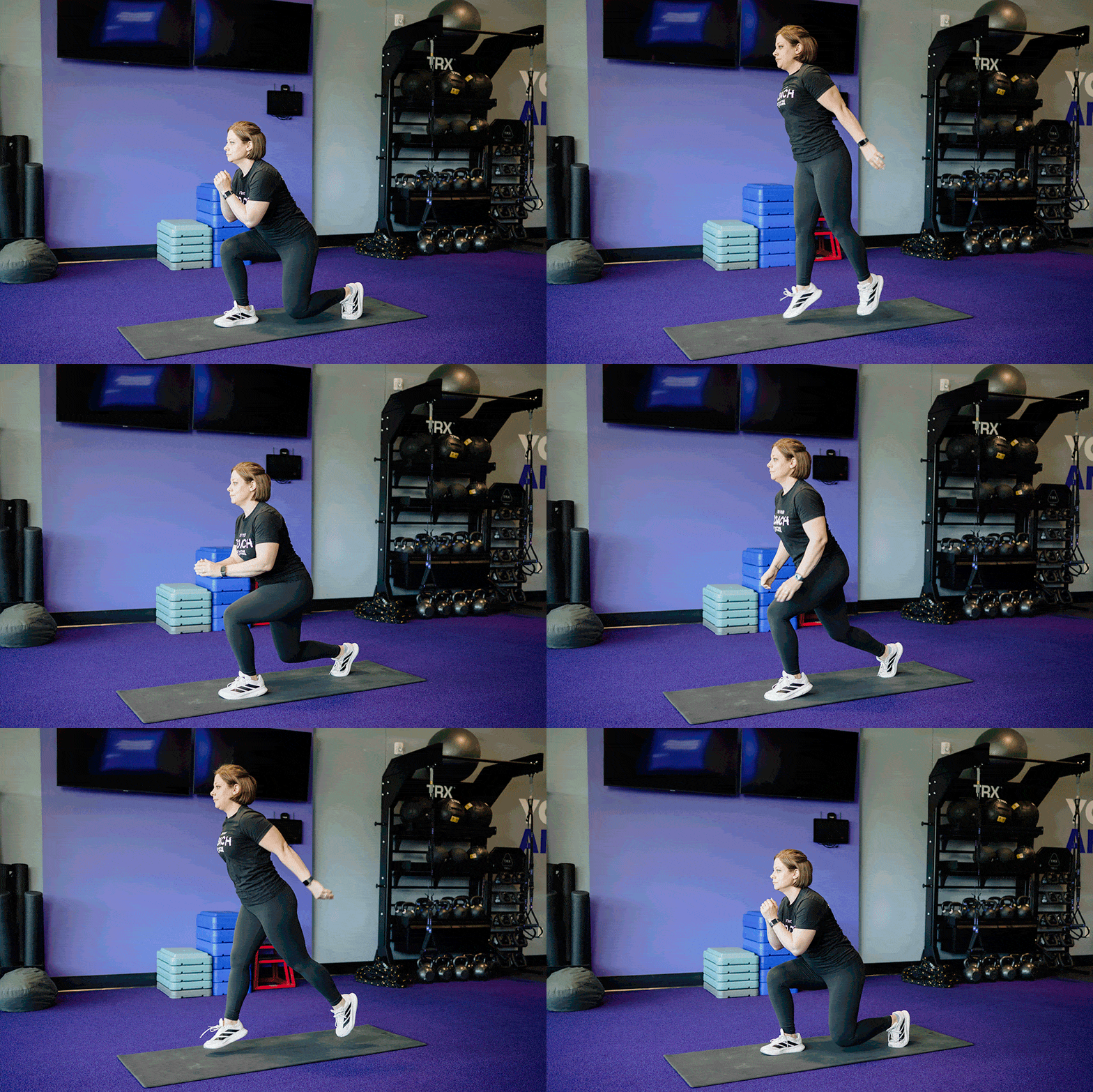
Jump lunges
Muscles worked: Quads
How to:
- Stand upright in a split stance with your arms at your sides.
- Bend at the hips and knees, leaning your torso slightly forward with your weight on the front leg.
- Push off the front foot to jump off the floor.
- Switch your feet midair.
- Land in a split squat with your opposite foot in front. Repeat.
Single-leg dynamic calf raise
Muscles worked: Calves
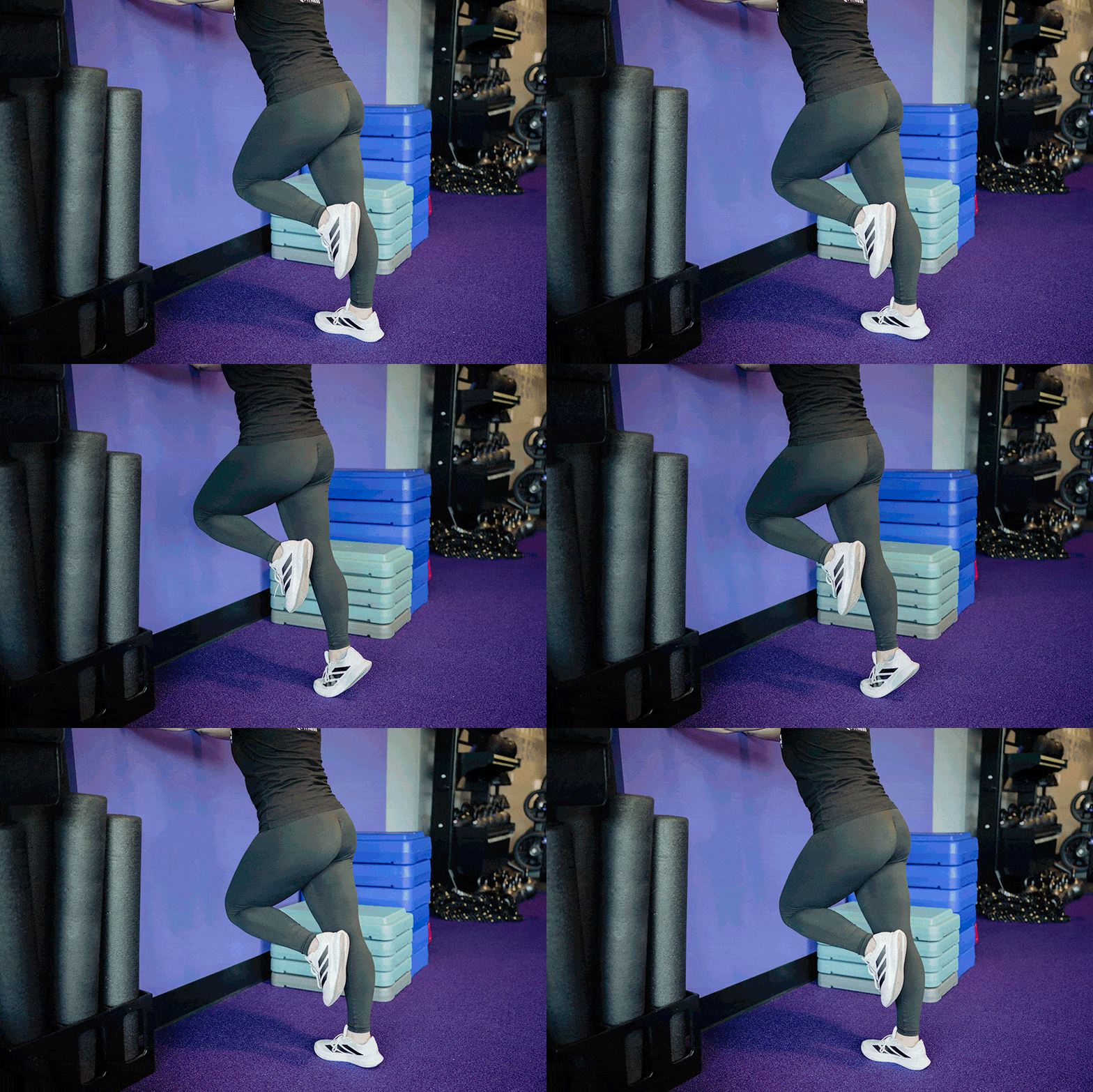
How to:
- Stand with your hands on a wall, leaning your body into it.
- Bring one knee up toward your chest.
- Rise onto your toes while squeezing your standing side glutes.
- Hold for a few seconds and return to the starting position.
Maintain your gains with living room workouts
Whether you’re away from the gym or trying to stay fit with a busy schedule, bodyweight workouts can be an effective tool to keep in your back pocket. Combined with other forms of strength training, proper recovery, and a nutritious diet, at-home workouts can help you build strength, maintain muscle over time, and keep your momentum going as you work toward your fitness goals. Use this bodyweight workout whenever you’re in a pinch and just need to stay on track.
More workouts to do in your room
- At-Home Circuit Workout — No Equipment Needed!
- 30-Minute Cardio Workout You Can Do Anywhere
- Gym Workout at Home: 7 No-Equipment Exercises
- Bonus: How to Make Outdoor Workouts Work for You
Reminder: Don’t skip recovery — even when you’re working out at home! The Anytime Fitness App has on-the-go cooldowns and recovery tips, plus advice from our expert Coaches anytime, anywhere.