



So many bottles, so little direction. The supplement aisle can feel like a maze: powders, pills, and promises that seem too good to be true — but which ones actually work, and which are just overhyped?
Let’s break down the essentials of fitness supplements for beginners, focusing on what matters most for your training: results, safety, and value. We’ll cover:
- Factors to consider before trying fitness supplements
- Where to start with supplements as a beginner
- Benefits of different supplements
- What kind of results to expect from supplementation — and when
Do you need supplements to support your gains?
Before you add a fitness supplement to your routine, it’s important to note that supplements aren’t required for results. Instead, think of supplements as tools to support consistent training, nutrition, and recovery habits, not replace them. Consider whether you’re meeting the following needs before trying a powder or pill:
Are you hitting your recommended calorie intake to support your goals? For muscle growth, the American Sports and Fitness Association (ASFA) advises maintaining a daily calorie surplus of about 250–500 calories.
Does your diet support your daily protein targets? Consistent daily protein intake fuels muscle growth, recovery, and overall performance.
Are you getting enough sleep? The CDC recommends 7+ hours per night.
Are you following the principles of progressive overload when training? That is, are you gradually increasing the difficulty of your workouts?
If you answered “no” to any of these questions, focus on addressing the basics first. Supplements can help, but they won’t make up for gaps in calories, protein, sleep, or consistent training. For example, if you’re low on protein, consider ways to add more to your diet before diving in with protein powder. Not getting enough sleep? There are plenty of expert-approved tips to create better sleep hygiene. Not gaining muscle as fast as you’d like? It might be time to change up your training plan.
Additionally, if you have any nutrient gaps, digestive issues, or other medical conditions, address those needs before adding supplements to your routine. Plus, take any budget constraints or preferences you may have into consideration.
Remember: Training supplements are not a necessity for improvement. If you can’t clearly explain why you’re taking something, it probably doesn’t belong in your routine — yet.
Do you need to take multiple supplements?
The short answer: probably not — at least not yet.
A minimalist approach to supplements tends to give you the best return. When you focus on a few high-value products that directly support your goals, you get better results without hurting your wallet or overcomplicating your routine.
Stacking supplements can make sense once you’re consistent with training, nutrition, and sleep, and you’ve identified real gaps (remember the needs you should meet before starting supplements!). A supplement stack is just a group of supplements taken together to support a specific goal, like building muscle or boosting energy. For example, combining creatine with protein, or adding electrolytes to hard training days. Throwing everything into your cart “just in case” could lead to more confusion than gains.
For lifters, simple works best. Using fewer products makes it easier to stay consistent, track what’s actually helping, and get the most value. The main idea: Smart supplement use should make your routine simpler or more effective, not complicated.
Where should you start with training supplements?
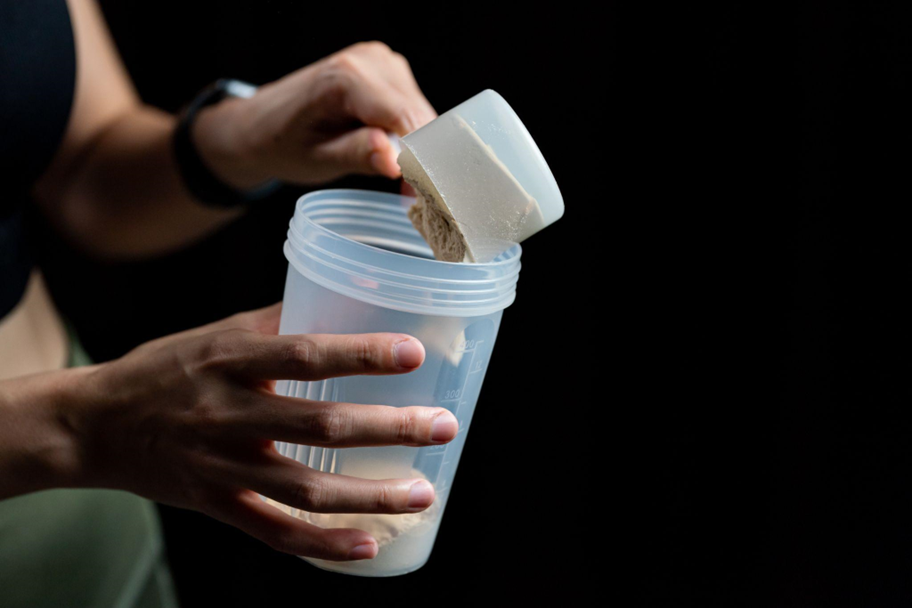
Once you’ve identified your goals, supplements can help support the progress you’re already working toward, making it easier to get the nutrients your body needs. Now, it’s a matter of figuring out what products best suit your needs. That being said, once you’ve identified your goals and what gaps you want to fill, start small — a few well-chosen supplements go a long way.
There are several kinds of supplements you can try, but protein powder and creatine are great starting points for strength trainers.
Benefits of protein powder supplements
Protein is an essential macronutrient that your body needs to survive, but one of its most noted benefits is supporting muscle repair and growth — this makes it an excellent choice for any strength-related goals. Aside from promoting muscle growth, protein can benefit any goal, including fat loss or improving overall longevity and wellness.
While you shouldn’t forego working protein into your diet the old-fashioned way, protein powder can be a great way to help you hit your protein goals. Because it’s fast to make and requires no cooking, protein powder is a convenient, budget-friendly way to get the same muscle-building benefits as protein-rich foods. Protein powder can also be mixed into shakes, yogurt, and more.
The recommended dosage for most protein powders is one to two scoops per day. When choosing a protein powder, opt for a whey- or plant-based powder that you think you’ll enjoy. While a good-tasting powder is optional, we highly recommend it — you shouldn’t have to suffer through your protein shakes!
Benefits of creatine
Creatine is a natural source of energy your body produces. It supports a steady flow of energy to your muscles, helping them work longer while you exercise. It also boosts strength and power to help increase your gains.
Like protein, creatine supplements come in powder form but can also be taken as tablets, capsules, and energy bars. You can also find creatine in food like seafood or chicken. The recommended dosage varies by goal. If you’re just aiming to build muscle, 5 grams per day is recommended — but 10 grams per day could also support your brain health.
[boxout]
BCAAs for strength: Helpful or overhyped?
When it comes to training supplements, you might hear about branch chained amino acids (BCAAs) — here’s what you need to know.
BCAAs are a trio of essential amino acids (leucine, isoleucine, and valine) that help drive muscle protein production. Leucine in particular acts like the “on” switch that tells your body to start building muscle.
While taken on their own, BCAA supplements can accelerate muscle recovery and help reduce soreness after exercise. That sounds useful, but whole protein sources like whey, eggs, meat, dairy, soy, and legumes already contain BCAAs in the right ratios. So, if you’re eating enough protein — or using a quality protein powder — you’re already getting everything your muscles need to trigger growth. That’s why, for most people, a protein powder delivers more value than a standalone BCAA supplement.
When is BCAA supplementation appropriate?
If protein powder is more effective than BCAA supplements on their own, is there ever a time to try BCAA supplementation? Short answer: yes.
BCAAs are most useful when training fasted, eating too little protein, or struggling to meet leucine needs — this is common in many vegan diets. Alternatively, you can try essential amino acid supplements (EAAs). EAAs have all nine amino acids that your body can’t produce on its own, including the three found in BCAAs.
[/boxout]
Other supplements to consider for strength training
Although protein powder and creatine are great for beginners, they’re not your only options. Depending on your strength training goals, other common fitness supplements to consider include:
- Electrolytes
- Greens powders
- Caffeine
- Vitamin D
Here’s an overview of each supplement, its benefits, and caveats to keep in mind.
Electrolytes
You’ve probably already heard of electrolytes. They include sodium, potassium, chloride, calcium, and magnesium.
General benefits: Put simply, electrolytes are minerals that hold onto water and keep fluid levels balanced inside and outside cells. Different minerals have different benefits. For example, sodium supports fluid regulation along with nerve function and muscle movements, while potassium plays a key role in keeping your muscles and heart working properly.
Worth it if your goal is: For beginners, sodium is a great electrolyte to target because of its role in fluid regulation and muscle contractions. For those long, sweaty, high-intensity workouts, electrolyte drink mixes provide an easy way to replace sodium and other nutrients lost through sweat.
Recommended dosage: While you can get doses of sodium ranging anywhere from 300 to 1,000 milligrams, you should start on the lower end as a general rule.
Before you buy: High amounts of sodium, potassium, and other electrolyte ingredients may impact heart function and interact with certain medications, so be sure to consult a medical professional or registered dietitian before taking electrolytes.
Green powders
Green powders are supplements made from concentrations of dehydrated vegetables, fruits, algae, grasses, and sometimes probiotics or digestive enzymes.
General benefits: For people who do not regularly get enough fruits and vegetables in their diets, green powders can boost micronutrient and phytonutrient intake — both are crucial in supporting immune function, gut health, and antioxidant defenses against cellular damage. Green powders can also offer extra support for your overall health and digestion and bolster muscle recovery and overall training capacity.
Worth it if your goal is: If you want extra support for your overall health and digestion, improved micronutrient intake, or to fill gaps in cases of low fruit and vegetable intake, green powders are worth looking into.
Recommended dosage: The recommended dosage is one serving per day, typically mixed into water or a smoothie.
Before you buy: Because ingredient quality can differ from product to product, pick a supplement that clearly lists ingredients and backs it up with third-party testing. Some manufacturers may also add herbs or adaptogens to blends that may interfere with medications or thyroid conditions — so be vigilant when reading those labels!
Caffeine
Believe it or not, caffeine is good for more than giving you an extra boost of energy in the morning.
General benefits: Caffeine can support strength, power output, and endurance by activating the central nervous system, which helps make exercise feel less strenuous.
Worth it if your goal is: If your goals include increasing workout intensity, energy, or performance, increasing your caffeine intake if it is low can be worthwhile.
Recommended dosage: The recommended dosage is around 100 to 200 milligrams, which is a great place to start for beginners. Consume caffeine 30 to 60 minutes before training for the best results.
Before you buy: Excessive caffeine consumption can lead to disrupted sleep, increased anxiety, and raised heart rate. Caffeine tolerance varies from person to person, so consider the timing and dosage of your caffeine intake when determining if it’s right for your body and fitness goals.
Vitamin D
Everyone needs vitamin D — especially those who live in northern climates, work indoors, or train early or late in the day, all of which can contribute to deficiencies. Low vitamin D can impact your overall well-being, but it is also tied to reduced muscle strength, increased injury risk, and slower recovery for athletes.
General benefits: Vitamin D positively influences muscle function, bone health, immune system resilience, and testosterone.
Worth it if your goal is: If your goals include supporting overall strength, immune health, injury prevention, and longevity, then vitamin D may be a good fit.
Recommended dosage: You can purchase them over the counter, and the recommended dosage is 1,000 to 2,000 international units (IU) per day, unless you have a diagnosed deficiency.
Before you buy: Be mindful of your vitamin D consumption, as overconsumption can also lead to imbalances and negative side effects. You should also take vitamin D with meals that contain fat because of its fat solubility — this means a substance dissolves in fats rather than in water.
[boxout]
How do supplements relate to gut health?
Your gut plays a bigger role in your training than you might think. It affects different aspects of your health, including how well you absorb nutrients, how your immune system functions, how much inflammation you carry, and even how quickly you recover post workout. If your digestive system isn’t working properly, you might not take in enough protein, carbs, or key minerals like iron and magnesium — nutrients that are essential for strength and muscle repair. Additionally, a 2021 literature review published in Frontiers in Nutrition indicated a strong relationship between gut health and athletic performance.
Probiotics can support gut health by helping maintain a healthy balance of bacteria, which can improve digestion, energy levels, and how you feel in the gym. That’s why they often show up in fitness supplement conversations.
But before you reach for a probiotic supplement, start with food. Fermented foods like sourdough, kimchi, sauerkraut, yogurt, and kefir already provide research-backed probiotic support. The key is to eat them as-is or as toppings — cooking them kills the helpful bacteria!
When your gut is supported through real food first, everything else works more effectively, from nutrient absorption to recovery — this means you can get more consistent results from the supplements you do choose to use.
[/boxout]
Are supplements safe for beginners?
The FDA doesn’t regulate supplements, but that doesn’t mean they are hazardous for beginner or general use — though some supplements can be. That’s why researching supplement ingredients and carefully reading labels before purchasing is important.
How to read a supplement label (without getting overwhelmed)
Luckily, you don’t need a nutrition degree to read a supplement label — you just need to know what to look for. Here’s a quick overview.
Start with the instructions.
Safe and trustworthy supplements have easily accessible instructions. When purchasing a supplement, check the serving size and recommended frequency. Some products look cheap until you realize a single “serving” is three scoops. That changes the real cost — and how long the tub actually lasts.
Know the difference between dosages and daily values.
The percent daily value (%DV) is based on general health, not performance. In other words: The %DV on a nutrition label tells you how much the supplement contributes to your daily intake for a particular nutrient. For strength-focused supplements like creatine or protein, what really matters is the dosage in grams or milligrams, not the %DV. The dosage will be included in the instructions, and includes information on the recommended amount, frequency, and duration.
Look at the active ingredients.
These are the actual compounds doing the work. Think: protein, creatine, or electrolytes. The rest (e.g., flavors, colors, and sweeteners) are fillers meant to improve flavor or texture. Fillers aren’t necessarily dangerous, but they don’t help you get stronger either.
Focus on what supports your goals.
If your goal is strength and muscle gain, prioritize labels that clearly show enough protein, creatine, or performance-supporting ingredients and effective doses. Anything else is extra fluff that will not support your goals.
Ingredients and claims to watch for
Supplement labels can be flashy and persuasive, even if they don’t tell the whole story. Here are a few buzzwords and claims to keep an eye out for when considering a supplement:
1. Proprietary blends
This typically means that the label lists several ingredients together as a single combined amount, without showing how much of each individual ingredient is included. You don’t know how much of each you’re actually getting, which makes it difficult to tell if the doses are effective — or just cheap filler.
2. “Mega dose” or “supercharged”
More isn’t always better. Any “mega dose” of a nutrient likely exceeds its recommended %DV and could even lead to negative side effects. Meanwhile, “supercharged” often means a product is packed with something like caffeine or sweeteners to make it feel intense. Neither term guarantees a supplement will be more effective for strength or recovery. For example: The recommended dose for creatine to be effective is 3 to 5 grams per day.
3. No third-party testing
Because supplements do not require FDA approval, it’s important to check that products you plan to take are tested by an independent lab. Independent testing gives you unbiased proof that a supplement actually contains what it claims.
4. Claims that sound “drug-like”
Supplements that promise instant muscle, extreme fat loss, or effects that sound like medication are red flags. Remember: Supplements should support training, not replace it.
The bottom line: The most effective supplements are transparent, tested, and focused on the results you can actually train for. When investing in supplements, look for high-quality products clearly list every ingredient along with the exact amount you’re getting.
[boxout]
3 common supplement mistakes to avoid
When you’re new to supplements, it’s easy to overdo it, but a few smart choices can save you money, time, and frustration.
- Taking too many at once. Stacking a bunch of products won’t speed up your progress. It might even make it harder to tell what’s working and what’s not. Less is more!
- Using supplements instead of food. As the name implies, supplements are meant to supplement your diet, not replace it. Real meals provide the calories, protein, and nutrients your body needs to build muscle mass. Powders and pills are there to help you fill the gaps.
- Thinking more expensive means better. A higher price tag doesn’t mean more results. The real value of a supplement depends on whether it supports your goal — like strength, recovery, or hitting protein targets — not how flashy the label is.
Keep it simple, stay consistent, and let supplements work for you.
[/boxout]
When to take supplements for strength and recovery
The ideal timing for taking supplements depends on your goals and the type of supplement you’re taking, but there are a few tips to keep in mind.
Pre-workout vs. post-workout
Some supplements are meant to support performance before you train (like caffeine), while others help with recovery after (like protein). Pre-workout helps you show up stronger; post-workout helps your body rebuild.
Daily vs. training-day supplements
Some supplements, like creatine and protein, work best when taken every day because they build up in your system or help you consistently meet nutrition needs. Others, like caffeine or electrolytes, are more useful on the days you actually train hard. It’s all based on your body’s daily needs.
Consistency vs. perfect timing
Taking the right supplement most days will do more for your results than taking it at the “perfect” time once in a while. Pick times that fit your routine and stick to them.
Focus on the basics, stay consistent, and your supplements will do what they’re supposed to do: support stronger training and better recovery.
Supplements on rest days: What still matters?
Taking supplements doesn’t erase rest days from your training plan — your muscles grow when you’re recovering, not when you’re lifting. That means some supplements will still affect your performance and results, even when you’re not in the gym. Consider these tips on rest days:
Keep the basics going. Continue to take protein, creatine, and anything you use to support gut health (whether they be supplements or food) on rest days. Protein helps repair muscle, creatine stays effective by keeping your muscles saturated, and a healthy gut helps you absorb the nutrients that drive recovery.
Skip the performance supplements. Products like pre-workout, caffeine, or pump-focused supplements (think: citrulline) aren’t needed on days you’re not training. Save them for when you’re actually lifting.
Think long-term. Strength isn’t built in a single workout, but over weeks and months of consistent training, eating, and recovery. Using your core supplements on rest days supports that bigger picture and keeps progress moving forward.
When to expect results from supplementing
Supplements can help you make progress on your goals — but they’re not magic. How much progress you see still depends mostly on your nutrition, training, and lifestyle. Supplements can’t make up for poor nutrition, inconsistent training, or lack of sleep. That said, the right supplements can absolutely take your results to the next level when the basics are in place.
Take protein powder, for example. You might feel full or satisfied right after a shake, but changes in muscle or body fat take time — usually eight to 12 weeks of consistent eating and training — before those results start to show up.
Creatine works a little faster for performance. Most people notice improvements in strength and power within two to four weeks, while changes in muscle and body composition build gradually over months as training quality and recovery improve.
Fitness supplements for beginners: Smarter use, stronger results
Supplements don’t make you strong — your habits do. When your training, nutrition, and recovery are on point, the right supplements can help you get more out of every workout. By focusing on value, simplicity, and what actually supports your goals, you can build a routine that works harder for you (no overhyped or overpriced products here!). Keep it consistent, keep it smart, and you’ll give your body everything it needs to keep getting stronger, week after week.
More supplementation and nutrition tips for you
- Creatine Before or After a Workout? Timing & Tips for Workout Recovery
- What is Pre-Workout? How to Maximize Gains
- How Long Should You Wait to Work Out After Eating? Nutrition Tips
Want personalized support and science-backed plan to inform your journey into supplementing? Connect with a Coach to get started.