

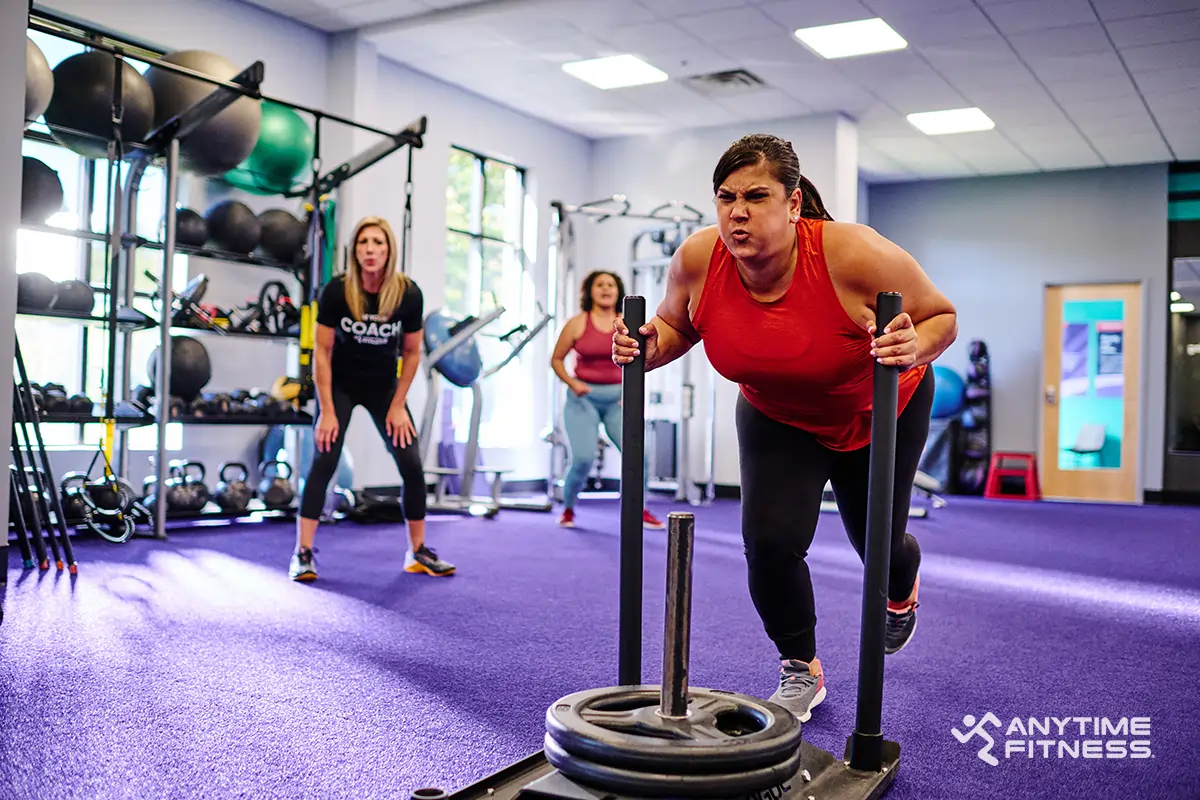
Imagine walking upstairs without losing your breath, effortlessly carrying all your groceries in one load, and seeing the changes in the mirror that leave you feeling accomplished and strong. Learning how to lose fat and gain muscle could be the jump start you need to make those goals a reality.
In this guide, we’ll discuss how to optimize your training and nutrition plan to help you lose fat, build muscle, and achieve fitness results that make you feel stronger, more energized, and ready for anything life throws at you.
Understanding body recomposition and its benefits
The process of building muscle and losing fat simultaneously is known as body recomposition. Unlike weight loss, recomposition isn’t about simply losing weight and chasing a smaller number on the scale — it's about improving your body composition to become stronger, leaner, and healthier.
Building and maintaining muscle is especially important for overall health, including metabolism, mobility, and strength. By blending consistent exercise, proper nutrition, and adequate recovery, you can preserve or build muscle while losing fat.
Why it matters:
- Stronger muscles boost metabolism.
- Lean mass supports healthy aging and mobility.
- This approach ensures you don’t just lose weight but gain visible muscle tone and strength.
What is the fastest way to lose fat and gain muscle? 5 fitness tips
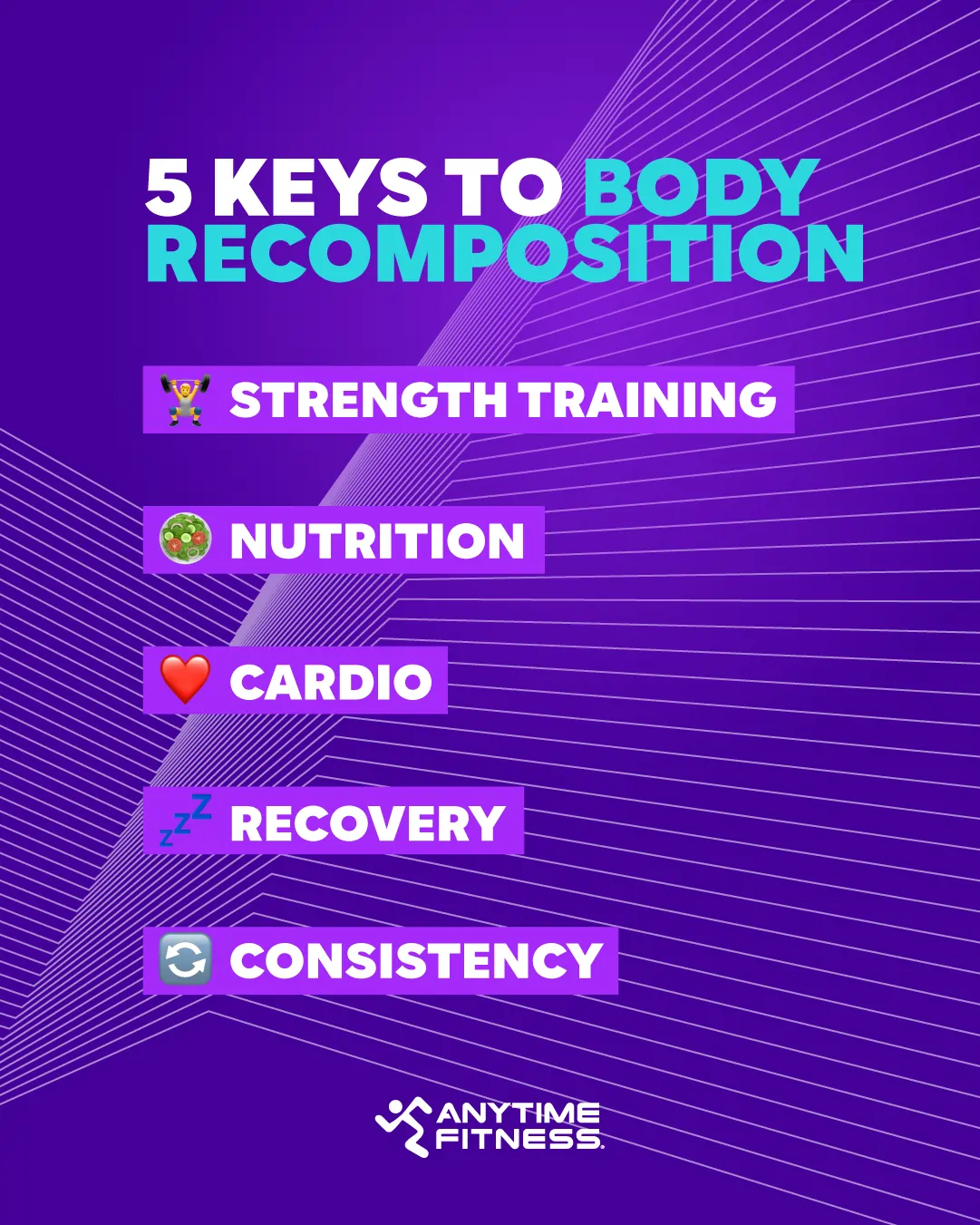
There’s no one-size-fits-all solution for losing fat and gaining muscle, and the best approach isn’t always the quickest. The most effective method combines strength training, a nutrition plan that supports fat loss, and proper recovery. Consistency and smart planning are the keys to sustainable results. Here are five key principles to keep in mind as we dig deeper:
1. Focus on strength training.
Compound exercises like squats, deadlifts, and push-ups work multiple muscle groups at once, helping you build muscle efficiently. Focus on compound exercises like squats, deadlifts, and push-ups. These movements work multiple muscle groups at once, helping you build muscle efficiently.
2. Support your workout plan with proper nutrition.
Eating the right balance of nutrients and managing calorie intake ensures your body burns fat without sacrificing muscle. Maintaining a slight calorie deficit helps you lose fat while prioritizing protein intake fuels muscle growth. (More on this later!)
3. Incorporate regular cardio.
High-intensity interval training (HIIT) or moderate cardio sessions can accelerate fat loss while supporting cardiovascular health without compromising muscle gains.
4. Prioritize recovery.
Muscles grow while you rest. Make sure to get enough sleep, manage stress, and allow time for recovery between workouts.
5. Focus on consistency over quick fixes.
There’s no magic shortcut for how to lose fat and gain muscle. Consistent training, proper nutrition, and smart recovery habits deliver the fastest and most sustainable results.
Let’s take a closer look at how training, nutrition, and recovery support fat loss and help you maintain muscle.
Nutrition: Guidelines for losing weight and fueling muscle growth
Scientifically speaking, it’s challenging to lose fat and gain muscle at the same time. Fat loss involves eating fewer calories so you burn fat tissue for energy, while building muscle requires eating more calories and nutrients to create new muscle proteins and therefore increase muscle mass. However, with the right nutrition, you can create a balance between fat loss and weight gain that leads to body recomposition over time.
To gain muscle while in a weight loss cycle, the key is finding the right caloric intake to allow for fat loss to continue, but for your body to have enough available energy and nutrients to facilitate muscle protein synthesis.
Use these tips to guide your nutrition as you work to maintain muscle and lose fat.
Stay in a small calorie deficit to burn fat
To burn fat, eat slightly less than your body needs — but don’t cut too drastically. A severe deficit can lead to muscle loss. A modest reduction ensures you lose fat while preserving or building muscle.
How to determine your calorie needs:
- Estimate your total daily energy expenditure (TDEE) using an online calculator or this formula: total body weight × 14 – 16 = TDEE.
- To maintain a calorie deficit, subtract 100–200 calories from your TDEE. This number is an estimated number of calories you should consume per day to support fat loss without compromising your body’s energy levels and ability to maintain muscle mass.
- Track your progress through weight, waist and hip measurements, and strength, and adjust your caloric intake based on how your body is changing.
- Aim for 0.5–2 pounds of weight loss per week.
- Avoid aggressive cuts (greater than or equal to 750 calories a day) to prevent fatigue, slow recovery, and muscle loss.
Eat enough protein to support muscle gain in a calorie deficit
Aim for 1.6–2.2 grams of protein per kilogram of body weight (0.7–1 gram per pound). For example: A 150-pound person should consume around 105–150 grams of protein per day. Spread protein across meals every three to four hours to support muscle maintenance and growth.
Quick hits: Nutrition tips for fat loss and muscle gain
Have protein at every meal and snack.
Aim for at least 25-30 grams at each meal and 10-15 grams for a snack.
Eat nutrient-dense foods first.
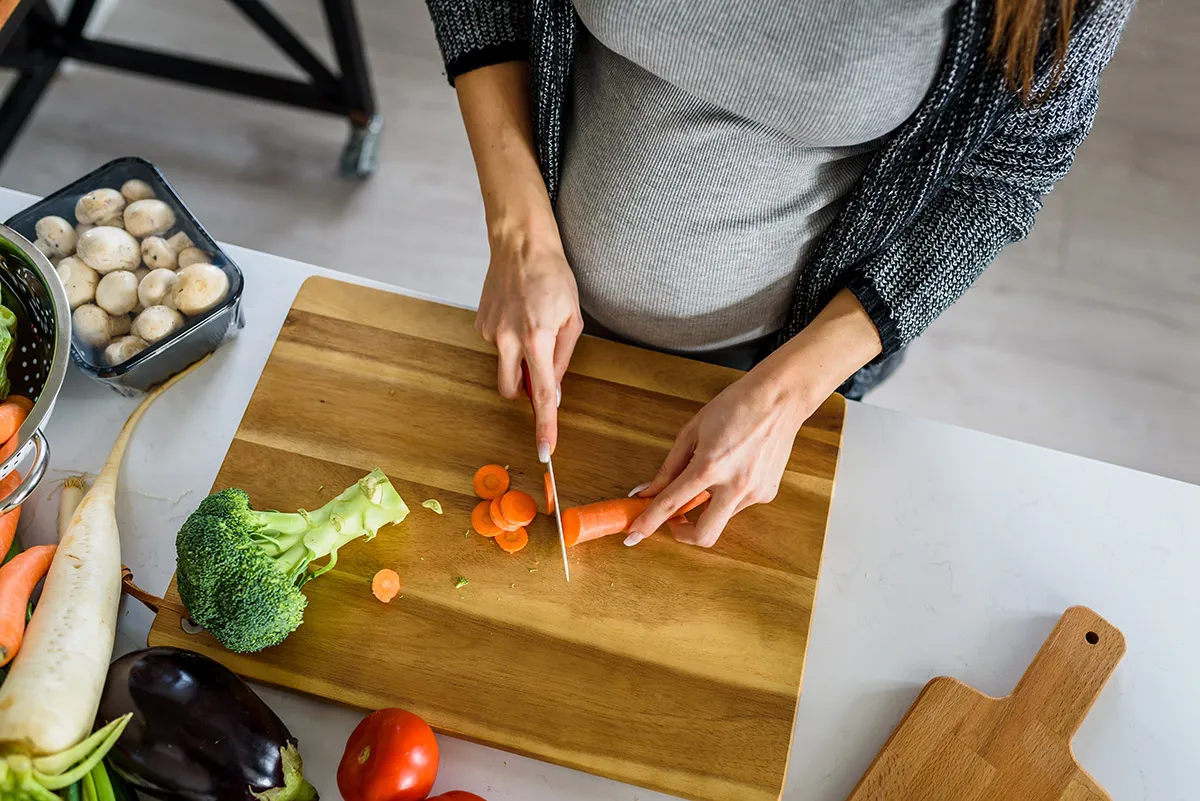
Veggies, fruits, whole grains, beans, nuts, and healthy fats have vitamins, minerals, and fiber that help you recover and maintain energy. These foods fill you up, so it's easier to stick to a calorie deficit without feeling hungry.
Time your carbs right.
Carbs are your body's go-to energy source. Eat more carbs before and after workouts to have energy and fuel your recovery.
Don't be afraid of healthy fats.
Foods like avocado, oil, nuts, and fish have fats that help your hormones and brain — and keep you full. Eat them in appropriate amounts to feel good while losing fat.
Drink water and stay consistent.
Water helps every process in your body, including burning fat and repairing muscle. We’ve said it before, and we’ll say it again: drink water all day, every day!
Try this: Sample high-protein meal plan
This dietitian-approved, one-day meal plan for fat loss and muscle gain focuses on nutrient-dense foods and lean protein, whole carbs, healthy fats, and fiber-rich produce.
- Breakfast: Three egg whites, one whole egg, and ½ cup oats with berries
- Lunch: Grilled chicken salad with olive oil and one slice of whole-grain toast
- Snack: Greek yogurt with chia seeds
- Dinner: Baked salmon, broccoli, and sweet potato
- Optional snack: Protein shake
Exercise: How resistance training and cardio support body recomposition
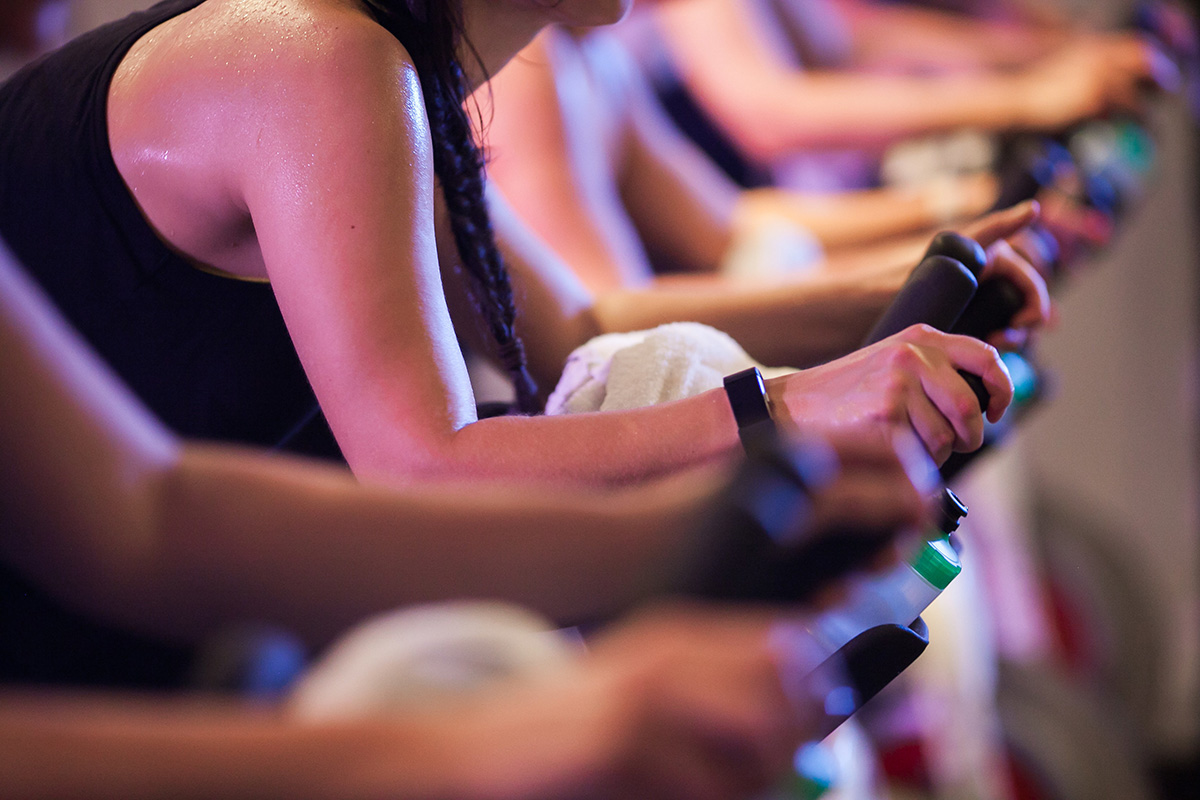
Fat loss is most effective when you combine strength training and cardio. Strength training builds muscle, which boosts your metabolism and helps burn more calories at rest, while cardio burns calories directly during your workouts. Together, this combination accelerates fat loss, improves fitness, and preserves lean muscle for a stronger, healthier body.
Focus on cardio for fat loss
Aim for two to four cardio sessions per week with a mix of steady-state and high-intensity interval training (HIIT) to lose fat and not muscle. Balancing training volume and intensity — working out enough to stimulate muscles but not to the point of injury — is also essential to achieving sustainable results. Pair your workouts with proper nutrition through adequate protein and a moderate calorie deficit to promote fat loss without muscle loss.
Strength train to build and maintain muscle
Resistance training is the biggest driver of muscle growth and preservation while losing fat. Cardio supports fat loss, but strength training ensures you don’t lose muscle along the way.
To allow for body recomposition, prioritize resistance training with compound exercises like squats, deadlifts, and bench presses, three to five times a week, with progressive overload (gradually increasing weight, volume, and intensity over time).
[boxout]
Strength training to build muscle on a GLP-1
You can still build and maintain muscle mass over time while losing fat even if you’re taking weight loss medications like GLP-1. In fact, training for muscle growth and maintenance is even more important when you’re taking medication to lose body fat, as it prevents GLP-1 muscle loss and even helps your body burn more calories at rest.
Related: Prevent GLP-1 Muscle Loss Through Exercise
[/boxout]
Recovery: Add rest days to your workout plan for recomposition success
Recovery is when your body repairs muscles and adapts to exercise. Without recovery, progress stalls, so it’s just as important as training and nutrition when it comes to losing fat and gaining muscle. It’s during rest — not during workouts — that your body repairs damaged muscle fibers, rebuilds them stronger, and adapts to the stress of training. Without enough recovery, progress slows, energy levels dip, and the risk of injury rises.
Training too often without adequate rest may lead to overtraining syndrome, meaning your body can no longer perform or adapt effectively. Symptoms can include persistent fatigue, declining strength, mood changes, and increased risk of illness or injury.
In the short term, recovery ensures you’re ready to push hard in your next workout. In the long term, it’s what allows you to sustain your results — helping you stay strong, healthy, and consistent for years to come.
Key recovery strategies:
- Sleep: Aim for seven to nine hours per night for muscle repair and hormone balance.
- Hydration: Try to drink four to six cups per day, but remember it will take time to learn what amount works best for you.
- Rest days: Set aside one to two rest days per week to allow your muscles to adapt and recover.
Related: Overtraining Syndrome: What It Is and What You Need to Know
How long does it take to lose fat and gain muscle?
After several weeks of consistent diet, exercise, and recovery, you can expect to feel changes in how your body moves and performs after about a month, but it’s important to note that changes in body composition aren’t always reflected on a scale.
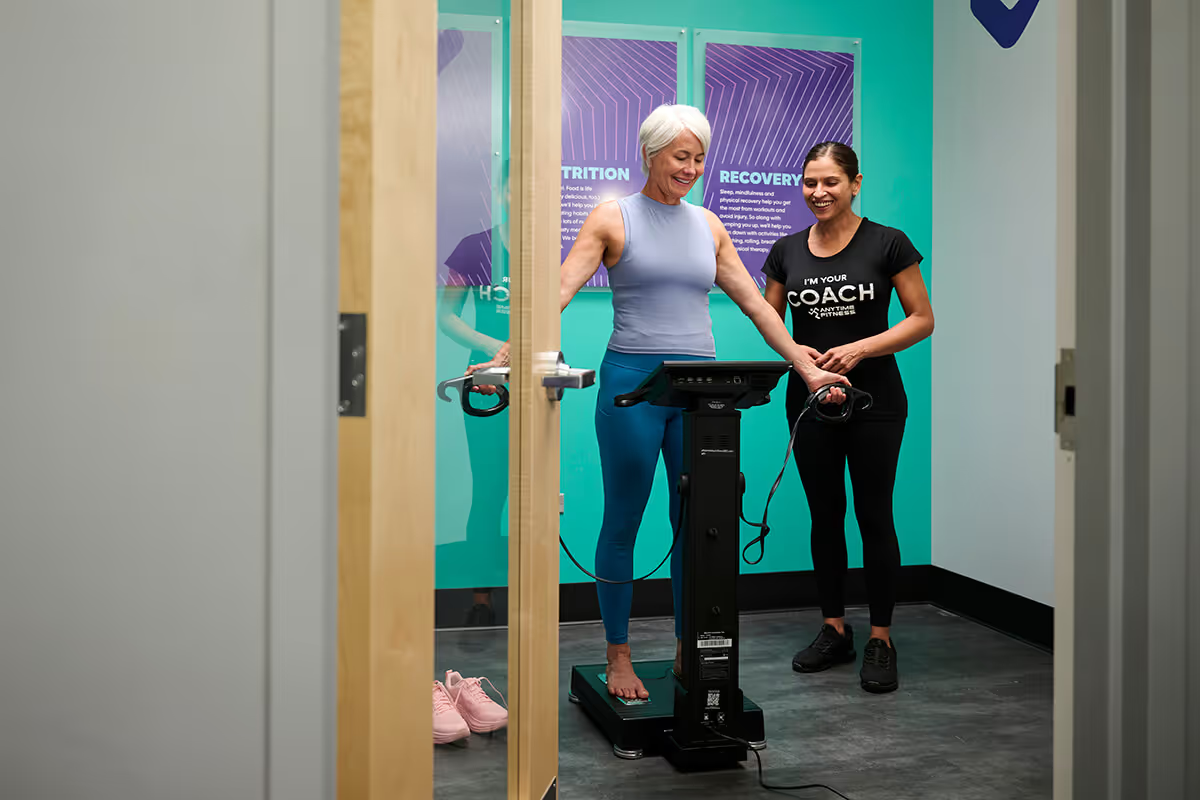
That’s where the Evolt 360 body composition scanner comes in. Available at most Anytime Fitness gyms, the Evolt 360 provides in-depth measurements of body fat, muscle mass, hydration, and more, giving you a clearer picture of real progress than a traditional scale can. With this insight, you can set realistic goals, adjust your plan, and notice muscle gains, strength improvements, and other health benefits over time. (Interested? Ask a Coach at your local gym or learn more in this blog.)
How often should you get a body composition scan?
It’s best to give your body at least four weeks between body scans, but no more than 12 weeks so you can make timely adjustments to your regimen and avoid plateaus.
The bottom line: Consistency is key to losing body fat and gaining muscle
Building muscle and losing body fat isn’t just about improving your general fitness — it’s also about feeling stronger every day and moving through life with confidence. Combining smart strength, training, proper nutrition, and recovery creates a foundation for lasting health and vitality. While progress won’t be linear, you can rest assured that you’ve got the support of our expert Anytime Fitness Coaches, who are here to cheer you on, provide personalized training and nutrition recommendations, and offer a supportive community every step of the way. Stay patient, trust the process, and celebrate the small wins, because they add up to big results.
Want a customized training, nutrition, and recovery plan that fits your life and your goals? Our expert Coaches can help. Find your local gym to get started.
.jpeg)