



Bulking season means heavier lifts, higher calorie intake, and a whole lot of protein. It sounds simple, but sometimes knowing what to eat for an effective bulk can feel like a puzzle: how do I hit my calorie surplus without gaining too much fat mass? Can I hit my macro goals by eating 10 cans of tuna? If you’re feeling seen, clean bulking may be the approach for you.
In this blog, we’re breaking down the key principles to clean bulking so you can meet your muscle mass and body composition goals effectively. We’ll cover:
- What is clean bulking?
- Clean vs. dirty bulking
- The benefits of clean bulking
- What foods to eat — and limit — during your bulk
First things first: What is clean bulking?
Clean bulking, or lean bulking, is the process of building muscle mass through a calorie surplus diet that emphasizes whole and nutrient-dense foods while limiting ultra-processed foods. The goal: Support muscle growth and minimize fat gain with a tailored diet plan.
Clean vs. dirty bulking
Unlike clean bulking, dirty bulking prioritizes eating any type of food, including ultra-processed foods (industrially processed products that are high in unhealthy fat, sugar, and salt but low in fiber, protein, and vitamins) to increase calorie intake and body weight. This approach can help you reach your calorie goals more quickly due to its flexibility. Spoiler alert: Faster doesn’t always equal better!
On the other hand, a clean bulk diet requires a disciplined routine, and results may take longer because a calorie surplus (i.e., consuming more calories than you burn in a day) is often harder to achieve with whole foods.
Build sustainable muscle mass with a clean bulking diet
Clean bulking is an intentional approach to muscle development through nutrition. By limiting ultra-processed foods, a clean bulk diet supports lean muscle growth and long-term health benefits, including:
1. Muscle gain
If you are aiming to build muscle definition, clean bulking promotes healthy weight gain. A clean bulk diet targets lean muscle mass over excess fat, and this enhances muscle definition and long-term fitness results.
2. Improved digestion
Upping your intake of fiber and whole foods can promote healthy digestion. Clean bulking also requires a balanced diet, so your digestive system and bathroom habits stay intact. As a result, your body will also be able to absorb nutrients more easily for muscle repair and growth.
3. Improved overall health
During a clean bulk, you may find improvement across many areas of your health. Consuming food rich in fiber, unsaturated fats, and micronutrients can also positively support your mood, energy levels, and metabolic health as these nutrients improve insulin sensitivity and lipid profiles.
Foods to include in a clean bulking diet
A clean bulk diet is not determined by one single food or meal. Instead, it’s about establishing healthy eating patterns and focusing on nutritious bulking over food restriction.
In order to clean bulk effectively, focus on whole foods that help you meet your daily needs for each of the three macronutrient categories: protein, carbs, and fats.
Protein for muscle growth
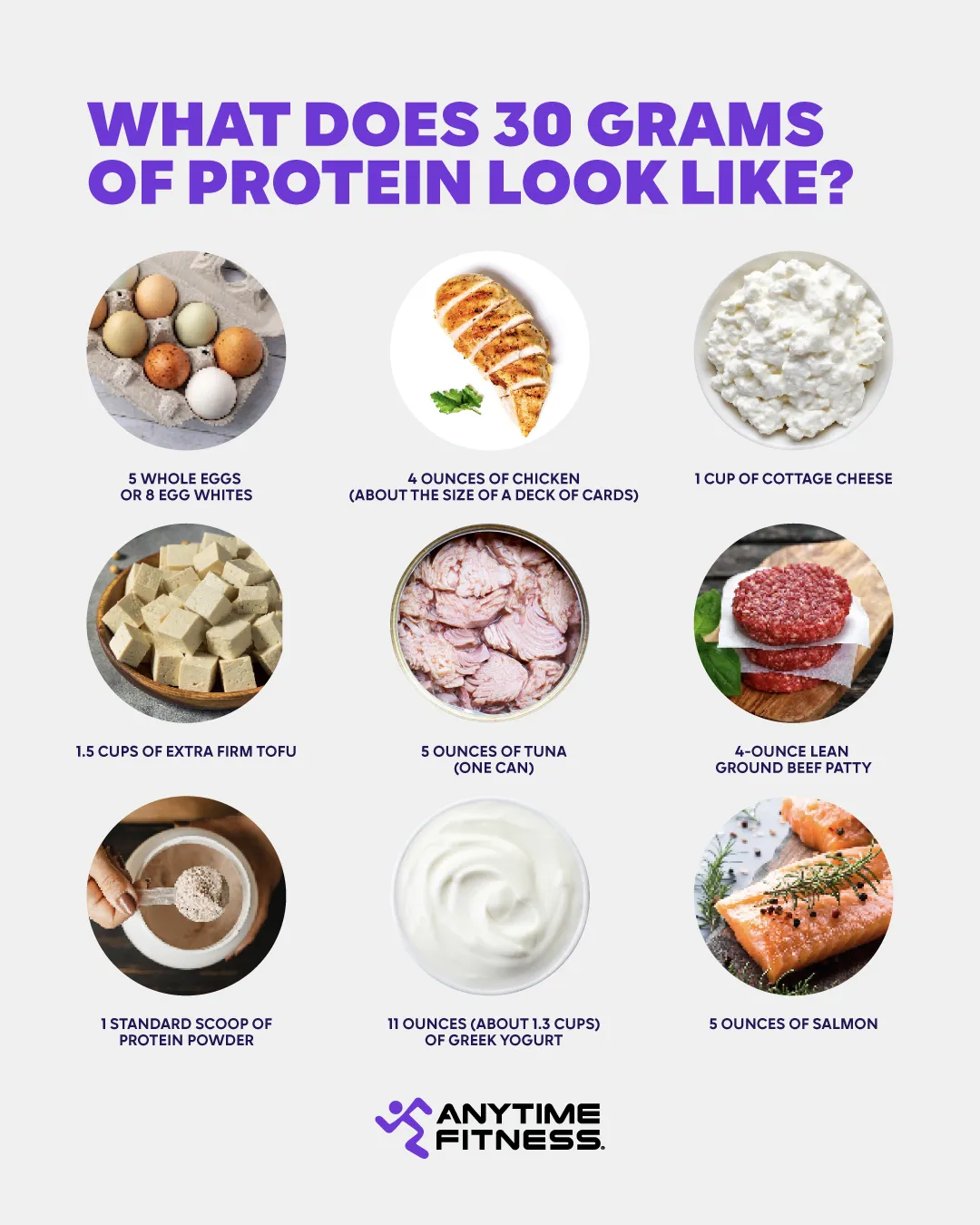
Proteins are rich in vitamins and minerals, and adequate protein intake is critical for supporting muscle growth and preventing muscle loss. High-protein foods for a clean bulk include:
- Chicken breast, turkey, lean beef (~20-30 grams protein, ~1-10 grams fat per serving)
- Eggs and egg whites (~6-7 grams protein, ~0-5 grams fat per serving)
- Greek yogurt (~10-20 grams protein, ~0-10 grams fat per serving)
- Cottage cheese (~10-15 grams protein, ~0-5 grams fat per serving)
- Whey or plant-based protein powders (protein and fat content varies by brand)
- Fish (salmon, tuna) (~20-30 grams protein, ~5-10 grams fat per serving)
Carbs for steady energy
Carbohydrates provide the body with energy and help maintain weight, which are both necessary for bulking and resistance training. Sources of carbohydrates for a clean bulking diet include:
- Rice, potatoes, oats (~25-50 grams carbohydrates, ~0-10 grams fat per serving)
- Whole-grain breads and pasta (~30-50 grams carbohydrates, ~0-5 grams fat per serving)
- Fruit (all kinds — fresh or frozen!) (~15 grams carbohydrates, ~0 fat per serving)
- Beans and lentils (~20-25 grams carbohydrates, ~1-2 grams fat per serving)
Fats for nutrient absorption
Fats provide energy by supporting cell function. They also play an important role in helping your body absorb nutrients. Dietary fats for a clean bulk include:
- Olive oil/avocado oil (~15 grams of fat per serving)
- Nuts, seeds, and nut butters (~10-20 grams of fat per serving)
- Fatty fish (~10-25 grams of fat per serving)
- Avocados/guacamole (~5 grams of fat per serving)
- Hummus (~4-6 grams of fat per serving)
- Homemade, or olive oil based salad dressings (fat content varies by ingredients)
How much should you eat in a day for a clean bulk?
To determine your ideal calorie intake for a surplus, start by calculating how many calories you consume daily. For example, if you consume 2,000 calories per day, add 250-500 calories. This brings your calorie intake to roughly 2,500.
When you have established a calorie surplus goal, start calculating your protein goal using 0.8-1.0 grams per pound (lb) of body weight. For example:
- 180 pounds x 0.8 = 144 grams of protein
- 180 pounds x 1.0 = 180 grams of protein
That means someone with a body weight of 180 pounds would aim to consume 144–180 grams of protein per day in a bulking diet. The remaining calories can be sourced from fats and carbs.
Foods to avoid during a clean bulk
For the most effective diet, it’s best to limit fried and ultra-processed foods, as they can disrupt your progress and lead to an unbalanced diet. Ultra-processed foods have a higher saturated fat intake, lower micronutrient density, and often lead to poor appetite regulation when overconsumed. Examples of ultra-processed foods include:
- Soft drinks
- Fruit drinks that are not 100% juice
- Cheese puffs
- Pastries
- Donuts
- Snack cakes
Although a clean bulk diet primarily highlights whole and unprocessed foods, it doesn’t mean you have to cut processed foods out of your diet entirely.
Processed foods range from unprocessed/minimally processed to ultra-processed based on how much they’ve been altered from their natural state. If you’re struggling to meet your calorie intake goal, processed foods like oatmeal, protein powder, cereal, and yogurt can help you up your calorie intake without making you feel overly restricted from certain types of food.
[boxout]
Progressive overload: Support muscle gain through strength training
A clean bulk diet is only half the work; it ensures that your calories are sourced from nutrient-dense food to support muscle definition and recovery, but building muscle mass also requires regular resistance training and progressive overload — gradually increasing the intensity, volume, and frequency of your workouts. A hypertrophy split can help you create a balanced routine.
Hypertrophy split example:
- 3–5 days of strength training per week
- 10–20 total working sets per week (This can be full body or body part-specific sets.)
- 3–6 sets of 8–15 reps per exercise, per workout
[/boxout]
How long does bulking take?
Many factors influence how quickly you can gain muscle mass. This includes overall health, body composition, training history, workout intensity and frequency, dietary intake, and even lifestyle factors such as sleep and stress.
Results can also vary by experience levels — someone newer to lifting might bulk faster than more experienced lifters because bulking does not involve gaining muscle alone; a bulk increases lean muscle and fat mass. For example: If your goal is a 20-pound bulk, the speed of reaching that goal depends on how much of that gain is lean mass and fat mass.
For experienced lifters, a 20-pound bulk can take 10 months or longer. A faster bulk is possible, but this can often result in higher fat gain and longer cutting phases. There can also be many additional factors as to why someone may be bulking quicker or slower than you.
Above all, stay patient! A controlled and balanced approach can support muscle growth and recovery. Trust in your process and you’ll see sustainable long-term results!
Related: More Muscle, Less Fat: A Body Recomposition Guide
Clean bulking: Build muscle mass for long-term results
Remember, clean bulking isn’t about perfect eating, and even the most regimented diet may not always result in immediate muscle gain. Instead of a results-driven mindset, consider setting the goal to build a healthier body by adopting sustainable habits, maintaining a balanced routine, and being flexible with your process.
Clean bulking isn’t always a linear journey, but over time, you will notice that steady progress will bring you closer to feeling like your strongest, healthiest self.
More nutrition and bulking tips for you
- Progressive Overload: The Strength Principle You Need to Know
- What are Macros — And Are They the Key to Weight Loss?
- How to Add More Protein to Your Diet: Smart Snack Hacks
- Eating Before or After a Workout: The Strategy for Max Energy
Get more out of your bulking plan and strength routine — learn more about nutrition.