


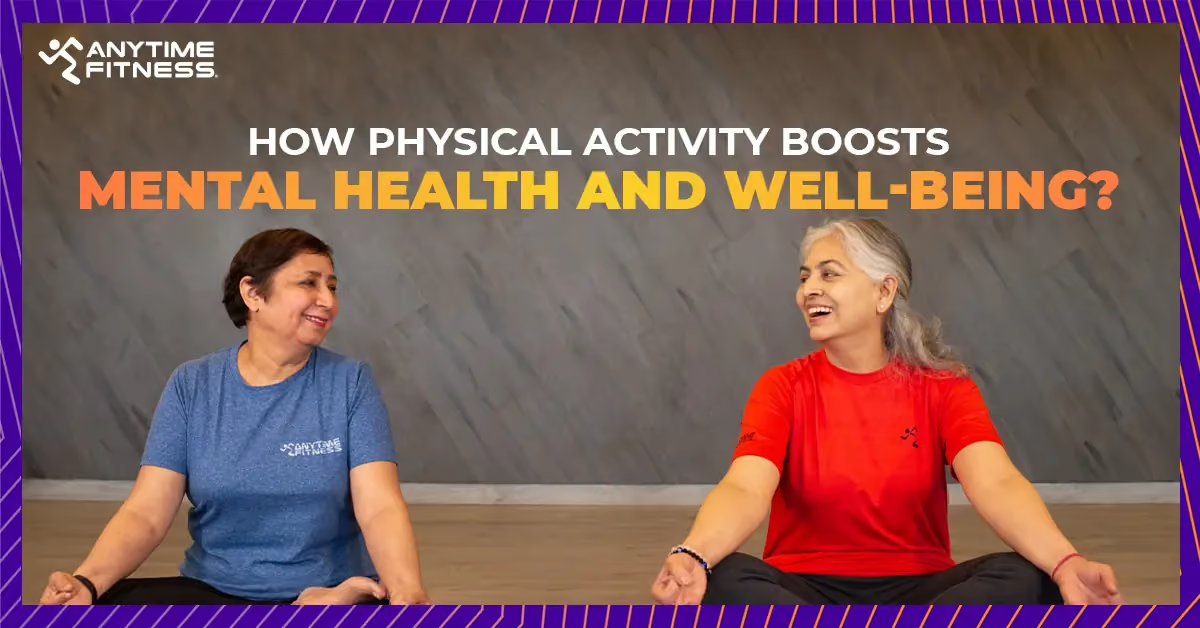
Physical activity is more than just a tool for physical fitness — it is a powerful driver of mental health and emotional well-being. Research consistently shows that regular exercise reduces stress, anxiety, and depression while improving mood, cognitive function, and overall quality of life.
Physical Activity and Its Importance
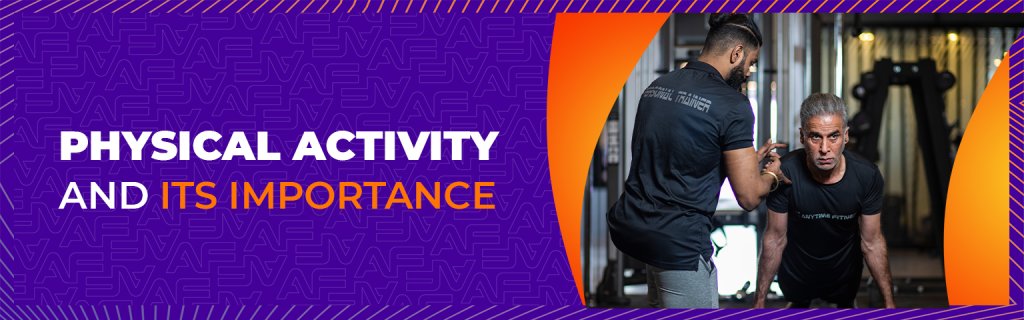
Physical activity encompasses any body movement produced by skeletal muscles that requires energy expenditure. This includes everything from structured exercise like gym workouts and running to everyday activities like walking, gardening, and household chores.
Regular physical activity is associated with a reduced risk of chronic diseases, improved mental health, enhanced cognitive function, and a better quality of life. The benefits extend beyond physical fitness to encompass our emotional and psychological well-being.
Mental Health Benefits of Physical Activity
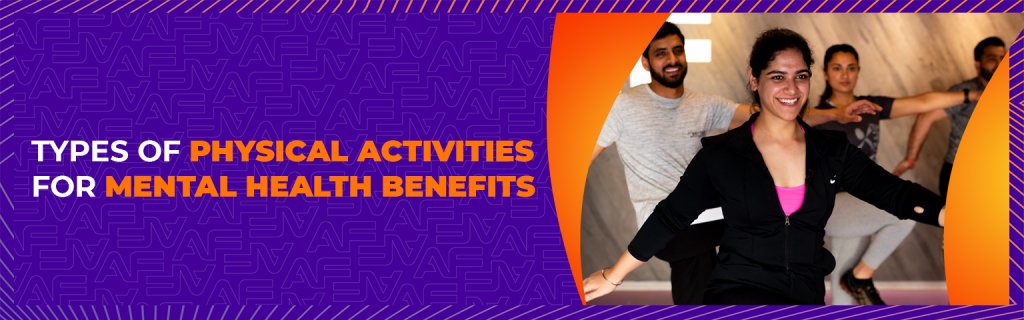
Physical activity triggers the release of endorphins — natural mood elevators that create feelings of happiness and euphoria. Exercise also reduces levels of stress hormones like cortisol and adrenaline, helping to alleviate anxiety and tension.
Regular physical activity has been shown to be as effective as medication for mild to moderate depression. It improves self-esteem, increases energy levels, and promotes better sleep, all of which contribute to improved mental health.
How Much Physical Activity is Recommended?
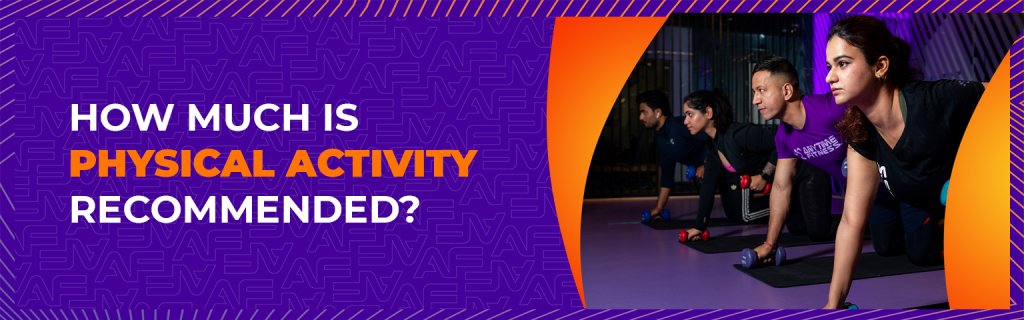
The WHO recommends adults aged 18–64 get at least 150–300 minutes of moderate-intensity aerobic activity per week, or 75–150 minutes of vigorous-intensity activity. Muscle-strengthening activities are recommended at least twice a week.
Types of Physical Activity
Aerobic activities like walking, jogging, cycling, and swimming are great for cardiovascular health. Strength training builds muscle and bone density. Flexibility exercises like yoga and stretching improve range of motion. Balance exercises reduce the risk of falls.
Get Started with Physical Activity and Make a Routine

Start small and gradually increase the duration and intensity of your workouts. Find activities you enjoy — you’re more likely to stick to a routine when it’s fun. Set realistic goals, track your progress, and celebrate your achievements. Consider joining Anytime Fitness India for access to expert trainers and world-class facilities to support your journey.