

When you think of strength training, static vs. dynamic stretching may not immediately come to mind. However, strength training and stretching work hand-in-hand to boost your performance and functional ability — and if you’re skipping your warm-up (and cooldown) stretches, you could be leaving health and fitness results on the table. Why? Training to increase flexibility helps correct muscle imbalances, increase joint health and range of motion (ROM), and improve your mind-muscle connection (aka neuromuscular efficiency).
You may know that there are different types of flexibility training, but do you know when to do each and how to incorporate stretching into your strength routine? Let’s break it down — we’ll focus specifically on static and dynamic stretching (the two most well-known and versatile types) and how they can protect your body and maximize your results. We’ll cover:
- What is static stretching?
- What is dynamic stretching?
- The difference between static and dynamic stretching
- When to incorporate static and dynamic stretching into your strength routine
- Static and dynamic stretching examples
Types of flexibility training
Before we dive in, here’s a quick overview of the four main types of flexibility training:
- Self-myofascial release (SMR): Using a tool to release tension in your muscle tissue. (Example: foam rolling)
- Static stretching: Passively taking a muscle to the point of tension and holding the stretch for at least 30 seconds. (Example: seated hamstring stretch)
- Active stretching: Using the strength of the opposing muscle group (agonist) or a helper muscle group (synergist) to move a joint into the desired ROM. (Example: 90/90 hamstring stretch)
- Dynamic stretching: Using your muscles to produce force and momentum to actively move a joint through its complete ROM. (Example: arm circles)
Static vs. dynamic stretching: What’s the difference?
At a fundamental level, the difference between static and dynamic stretching comes down to movement. While static stretching involves holding a stretch for 30 seconds or more, dynamic stretching involves reps of movement around a joint. Both types of stretching improve flexibility and prepare your body for physical activity.
Pros and cons of static stretching
Regular static stretching before a lift or other fitness activity can:
- Increase flexibility
- Reduce muscle tension
- Improve recovery
- Lower risk of injury
While there aren’t any “cons” to static stretching, there is a risk of overstretching, or stretching your muscles and joints beyond what they can tolerate. Overstretching could lead to injury and compromise your form and results. Signs of overstretching include:
- Joint pain lasting more than 24 hours after stretching
- Swelling or inflammation
- Intense pain during the stretch
Pro tip: Stay in tune with your body’s natural signals as you stretch. You should be able to breathe deeply and hold your stretch without flinching, clenching, or making faces. Imagine the intensity of your stretch on a scale of 1 to 10 (1 being no stretch at all and 10 being painful) and try to aim for a 7.
Can you do static stretching before strength training?
Because static stretching triggers a relaxation response, there has been a lot of debate on whether or not it should be included in a warm-up routine, especially for movements that require strength and power. Some previous research even suggested that it could impair explosive performance for at least 24 hours.
However, a more recent study found that performing static stretches for 30 seconds or fewer before every workout — followed by dynamic stretching — did not impair athletic performance. For that reason, the National Academy of Sports Medicine recommends doing warm-up stretches in a specific order (more on that later!).
Pros and cons of dynamic stretching
Dynamic stretching has similar benefits to static stretching, including:
- Improved flexibility (ability to move through a full ROM)
- Increased muscle extensibility (ability to be stretched or extended)
- Lower risk of injury
- Improved athletic performance
Like static stretching, there aren’t any “cons” to dynamic stretching. However, not all dynamic movements are suited for every body and ability — and they may place undue stress on your joints or spine. That said, only muscles that are overactive or “tight” need to be stretched. Not sure where to start? An Anytime Fitness Coach can help with a movement assessment.
Should you do dynamic stretching before a workout?
The short answer: Yes! Performing dynamic stretches — especially ones that mirror the movements you’re about to do in your workout — is known to enhance your musculoskeletal, neurologic, cardiovascular, and psychological systems before a workout. Plus, some research has shown that static stretching combined with dynamic stretching before a workout produces optimal results when it comes to explosive power.
Which is best? Dynamic vs. static stretching
So, when it comes to static vs. dynamic stretching, is one better than the other? Research has shown that both methods are effective for improving flexibility, though dynamic stretching may have a greater short-term effect. But the short answer is no, one is not better than the other, because both types of stretching serve unique purposes.
Static stretching should be used to relax overactive muscles before and after activity, and dynamic warm-up stretches should prepare your muscles by mimicking movements to come in the workout. (Think: Push-ups before bench press.)
No matter the time of day or the type of workout, the ideal order for a warm-up stretching session is:
- SMR (One to three sets, hold for 30 seconds per area)
- Static stretching (One to three sets, hold each stretch for 30 seconds)
- Dynamic stretching (One set of three to 10 reps, perform three to 10 exercises)
SMR comes first because it relaxes your muscles by interrupting the mind-muscle connection that’s causing tension. Static stretching comes before dynamic stretching to optimize your joint ROM.
6 static stretching movements to increase muscle activation
With that covered, here are some tried-and-true static stretches to incorporate before your workout to warm up your muscles and prepare your body for exercise.
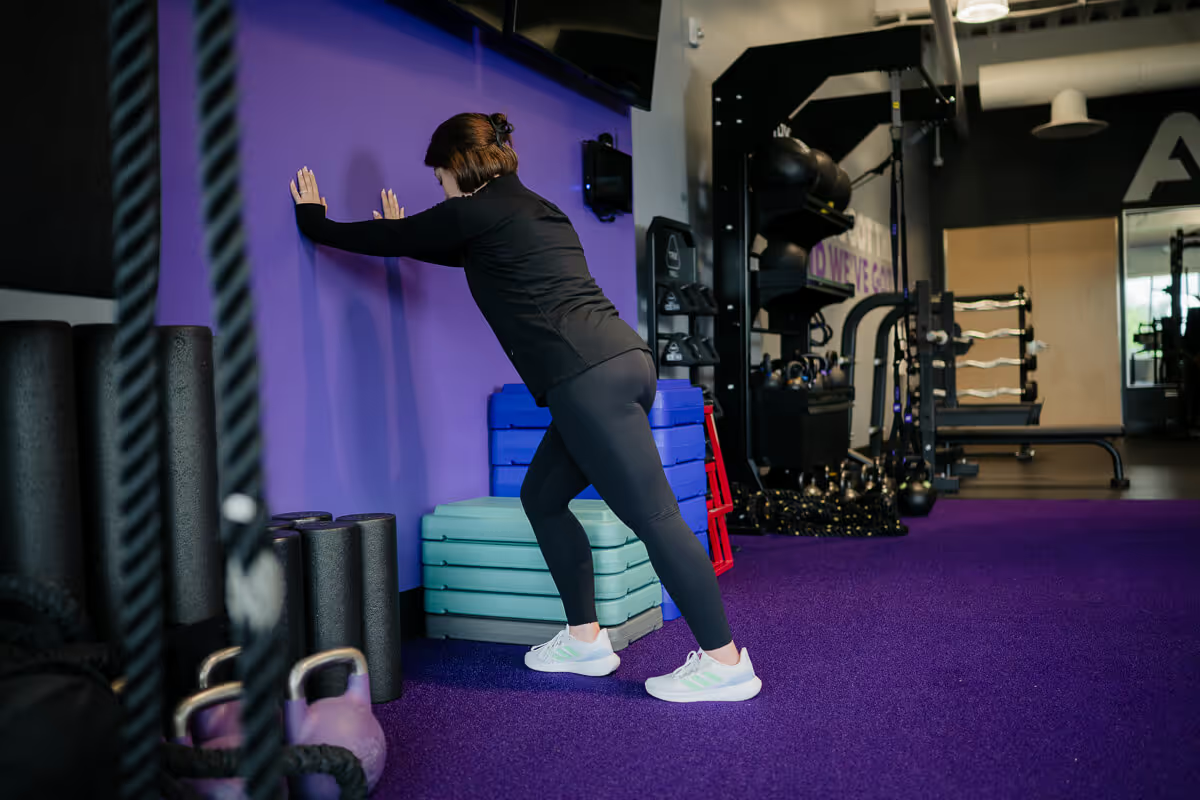
Standing calf stretch
How to:
- Start in a staggered stance with your hands against a wall.
- Bend your front knee while extending your back knee. Keep your back foot flat on the floor.
- Lean your weight forward and push your back heel into the floor.
Advanced progression: Place your heel on an elevated surface such as a weight plate or a small step to increase the level of dorsiflexion or reach one arm overhead, away from the back foot, to increase the stretch along the side of your body.
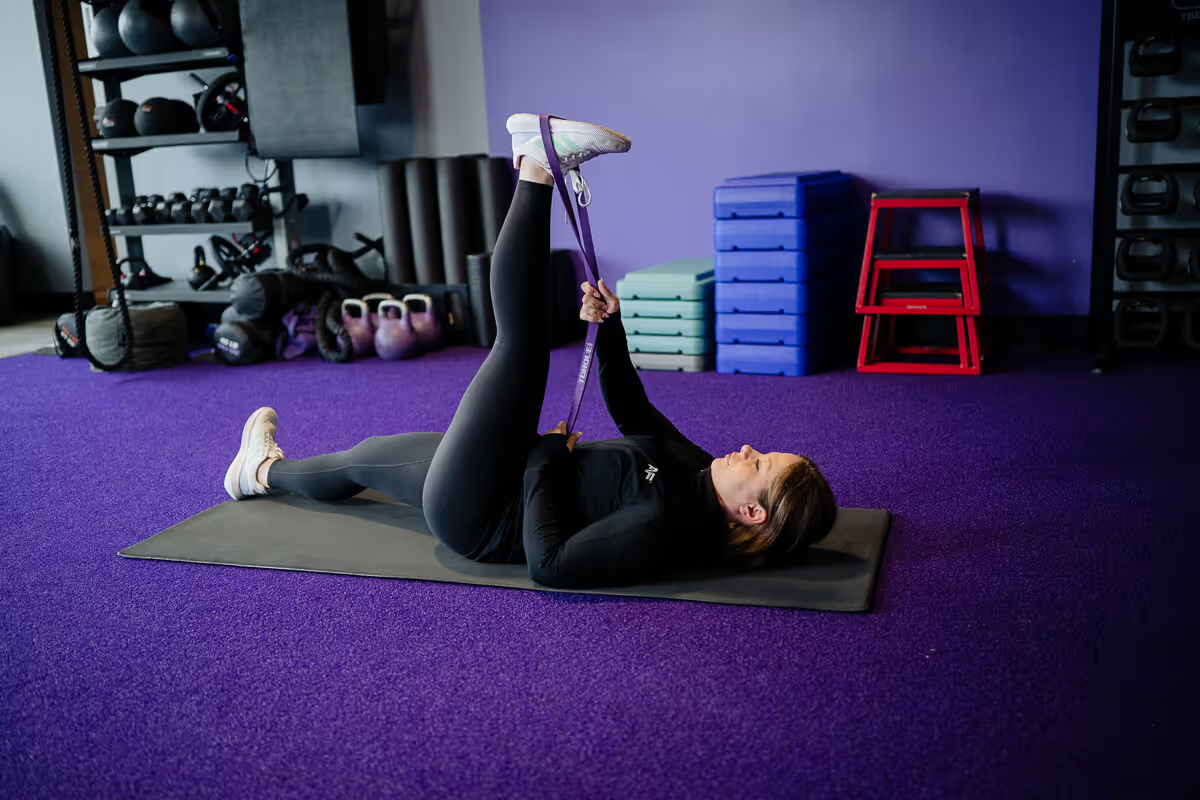
Static supine hamstring stretch
How to:
- Loop a band around the arch of your foot.
- Grab the sides of the band and lay all the way back.
- Use the band to gently pull your foot up and back toward your head until you feel a stretch in the back of your thigh. Keep both hips on the ground to get a deeper activation in your hamstring.
Advanced progression: Get rid of the band and use your hands to hold your leg to deepen the stretch and activate your upper body.
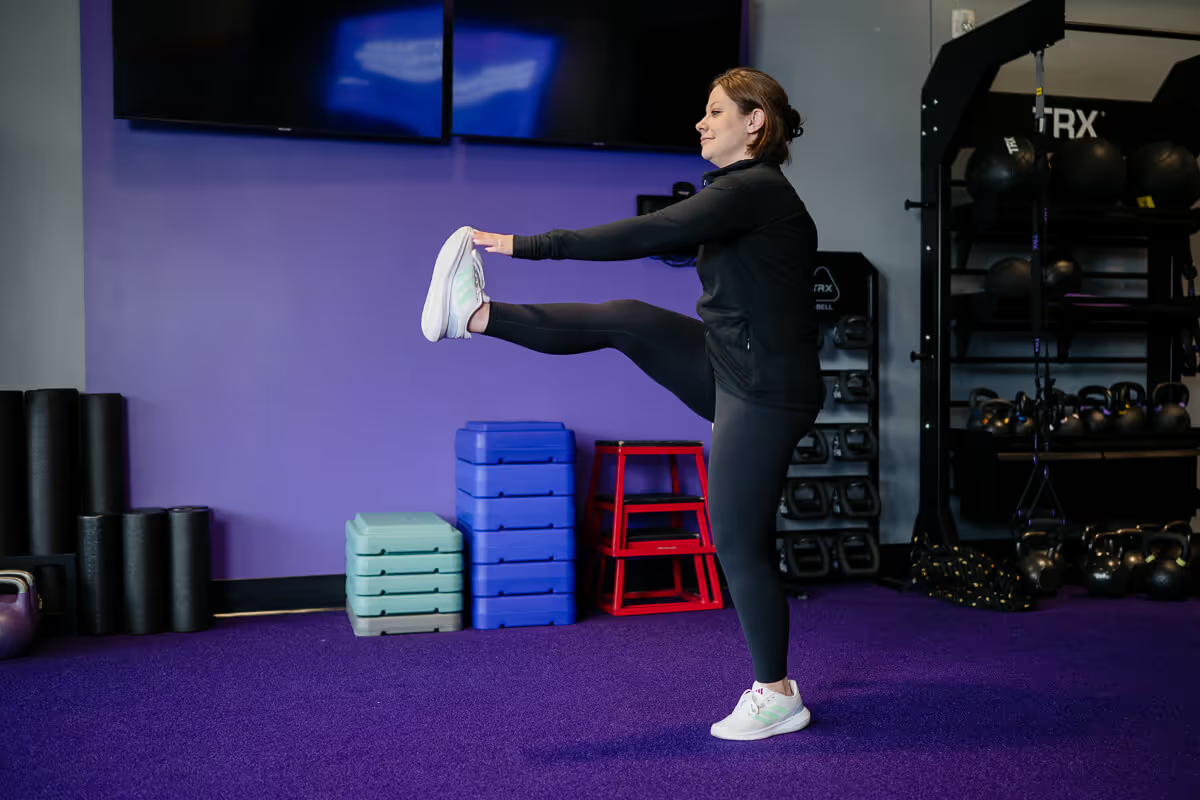
Quad stretch

How to:
- Stand upright and draw your belly button in toward your spine.
- Raise one leg and bend at the knee.
- Grasp your foot, gently pulling it toward your hips.
Advanced progression: Reach your free arm overhead and squeeze your glutes to deepen the stretch in your hips and quads.
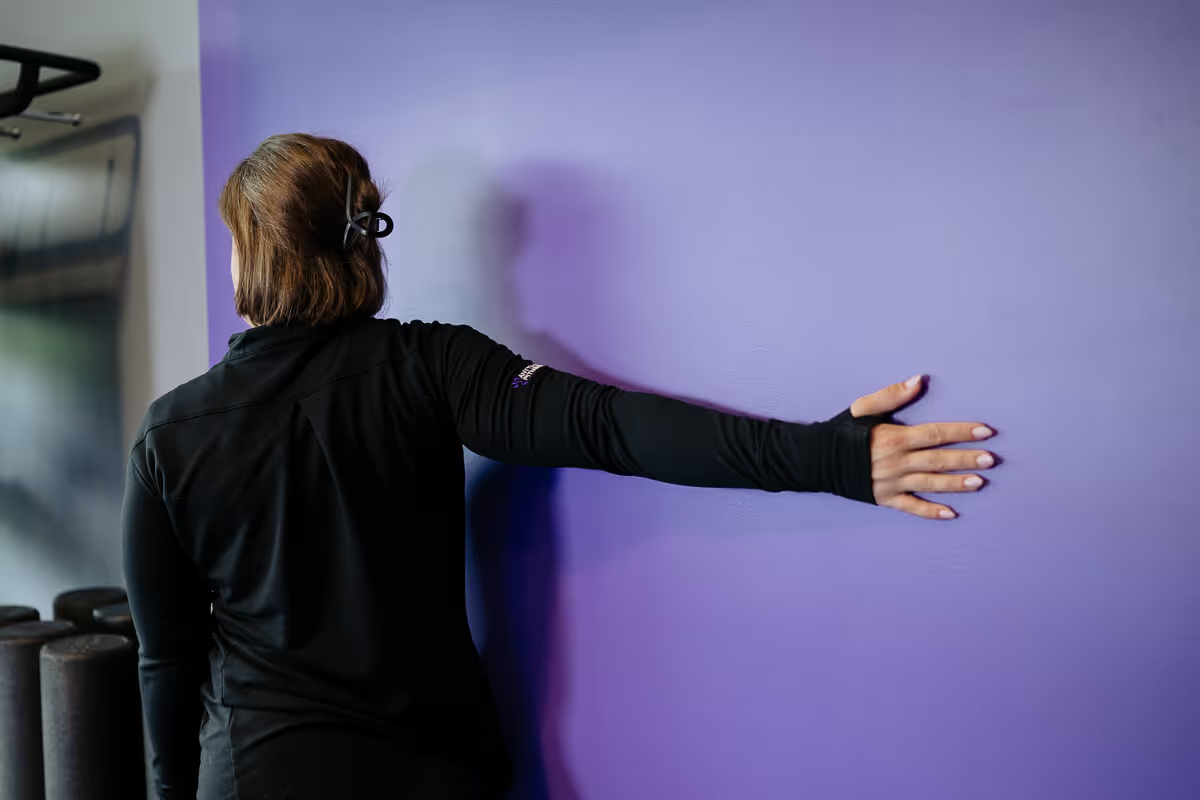
Chest stretch
How to:
- Stand with your right shoulder about a foot away from a wall.
- Reach your right arm behind you and place your hand on the wall, so it is in line with your shoulder.
- Take one step closer to the wall until you feel a stretch through your right shoulder and chest.
- Slowly rotate your chest away from the wall to increase the stretch.
Advanced progression: Move your arm around various angles to stretch different muscle fibers in your pecs.
Hip flexor stretch
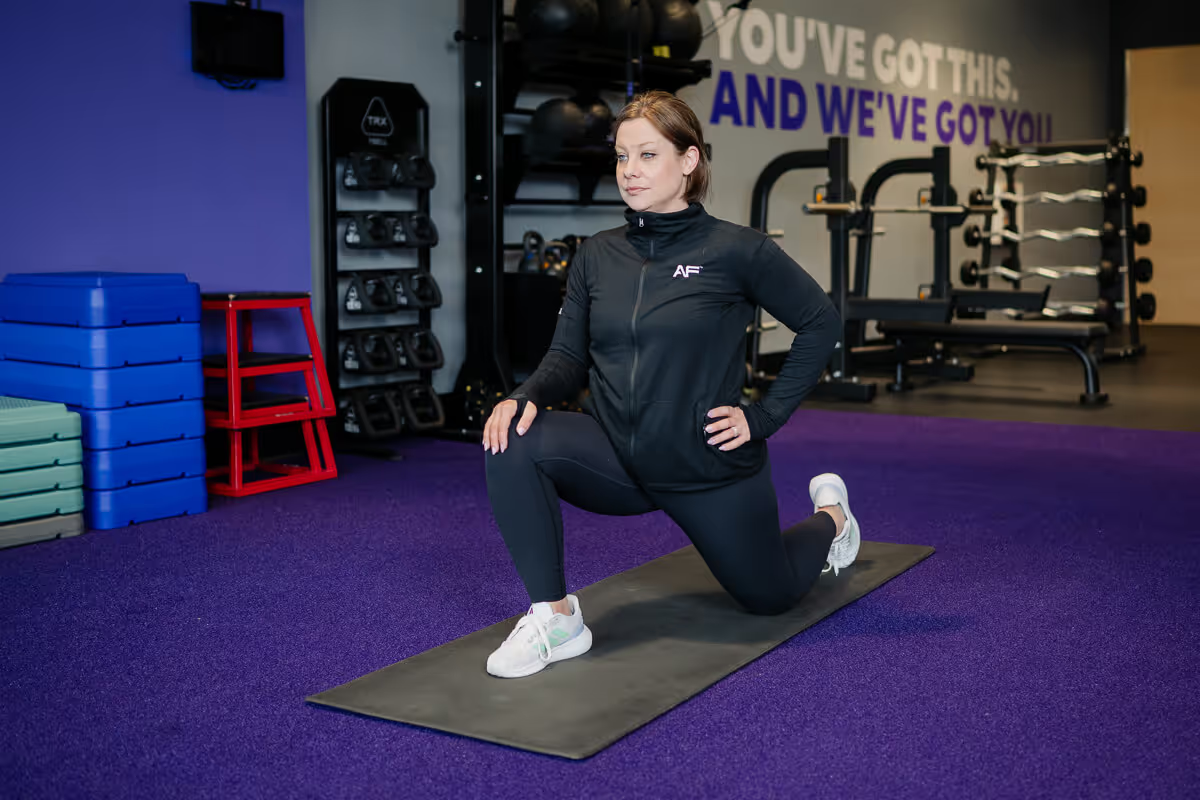
How to:
- Place one knee on the floor and step forward into a lunge with the other foot.
- Lean your weight onto your front foot, lowering your back hip toward the floor. Keep your front foot flat.
Perform the stretch on one side at a time.
Advanced progression: Loop a resistance band around your hips and anchor it around a rack behind you. Position yourself so the band gently pulls back on your hips. This will promote optimal hip alignment and better range of motion.
Lat stretch

How to:
- Stand upright with your arms straight overhead and hands clasped.
- Lean to one side, gently pulling your arms laterally.
Perform the stretch on one side at a time.
Advanced progression: Kneel next to a bench or stability ball and extend your arms to stretch your lats. Sink your chest downward to achieve a deeper stretch.
5 dynamic stretching movements for muscle activation
Use these dynamic stretches to prepare for the exercises in your workout.
Hip mobility stretch

How to:
- Start in a quadruped (tabletop) stance with your knees directly under your hips and hands stacked under your shoulders.
- Extend one leg straight back as far as possible.
- Bring your leg up and out to the side, allowing your knee to bend.
- Continue the movement by bringing your knee up as far as possible toward your chest.
- Slowly return to the starting position in the reverse order.
Pro tip: Try to tap your same-side elbow with your knee to increase the range of motion of your working hip.
Dynamic hip flexor stretch
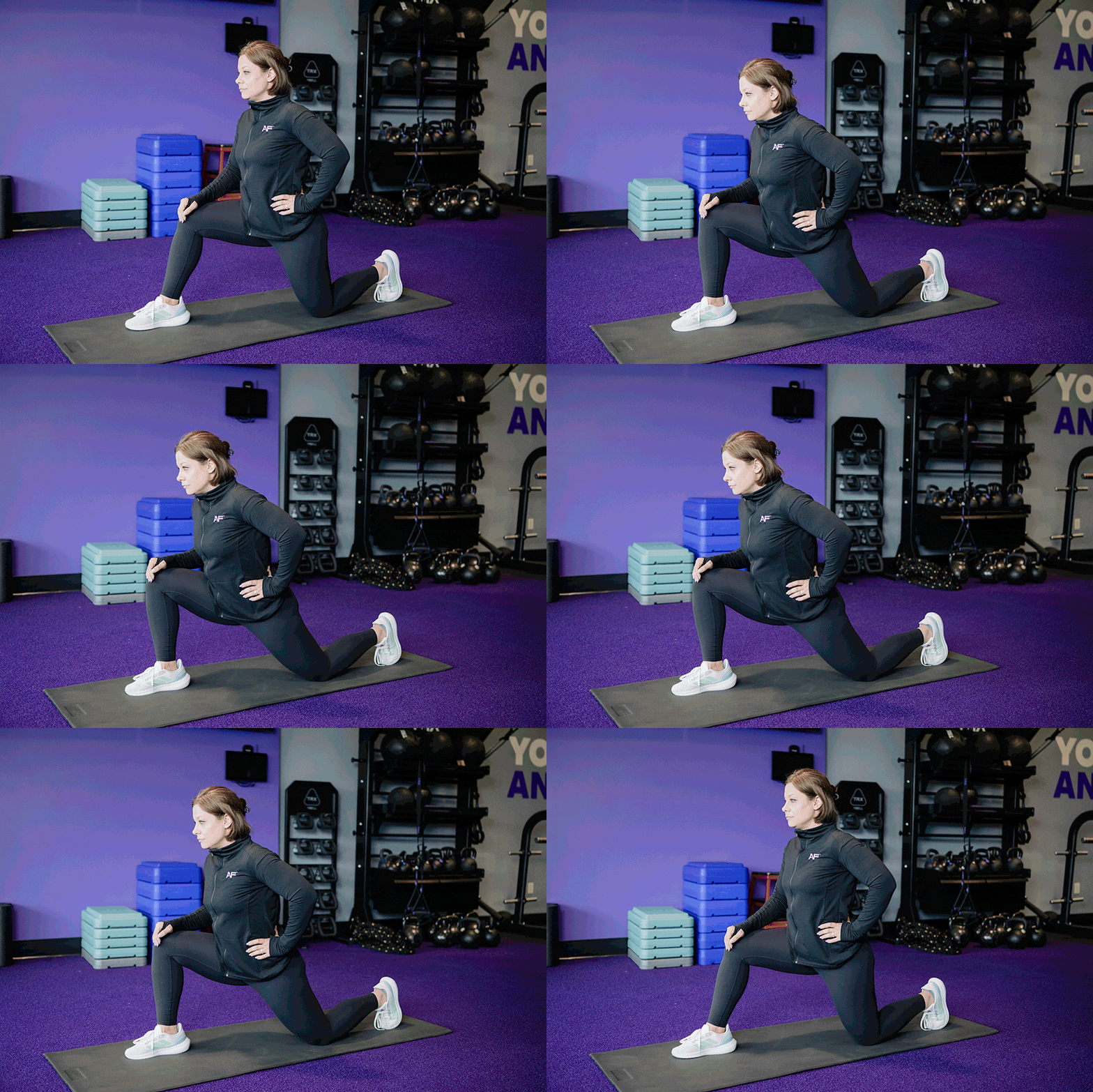
How to:
- Start in a half-kneeling (lunge) position.
- Slowly push your hips forward, then gently return to the starting position and repeat. You should feel a stretch in your hip on the same side as your back leg.
Pro tip: Elevate your rear foot on a box behind you for a greater hip stretch in your rear leg.
W-slide

How to:
- Stand in an upright position with your back a few inches from a wall.
- Lean your body back into the wall.
- Place your arms in a “W” shape on the wall.
- Squeeze your shoulder blades together and slide your hands up the wall until your arms are straight overhead.
- Slide your arms back down the wall to the starting position.
Pro tip: Aim to keep your spine pressed against the wall during this stretch and avoid letting your elbows come away from the wall.
Sumo squat mobility stretch
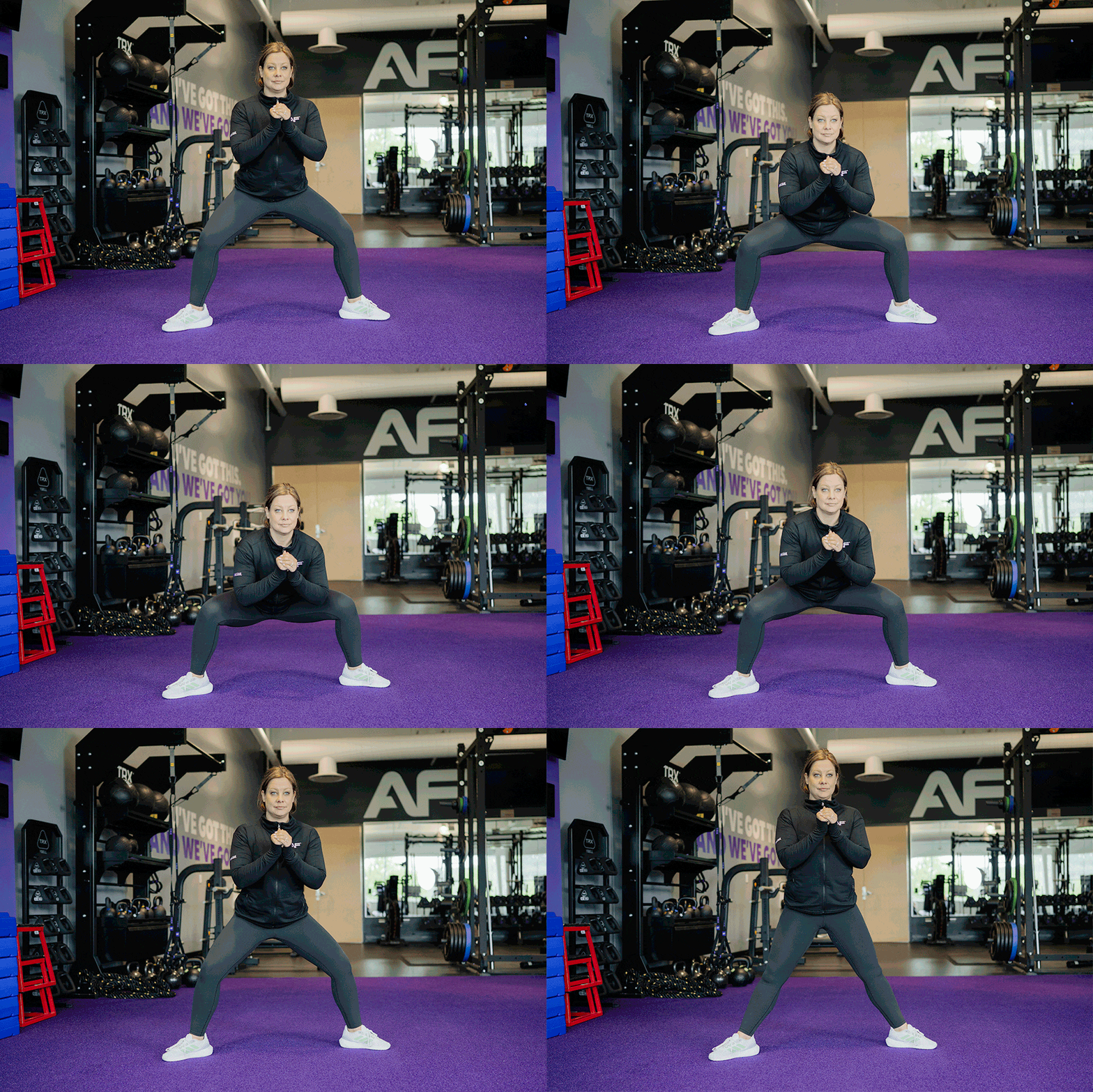
How to:
- Stand upright and step your feet out wide with your toes slightly pointed outward.
- Sit back and down into a squat position.
- Slowly return to a standing position.
Pro tip: Add pulses at the bottom to increase the depth of the stretch at the base of your squat.
Adductor stretch
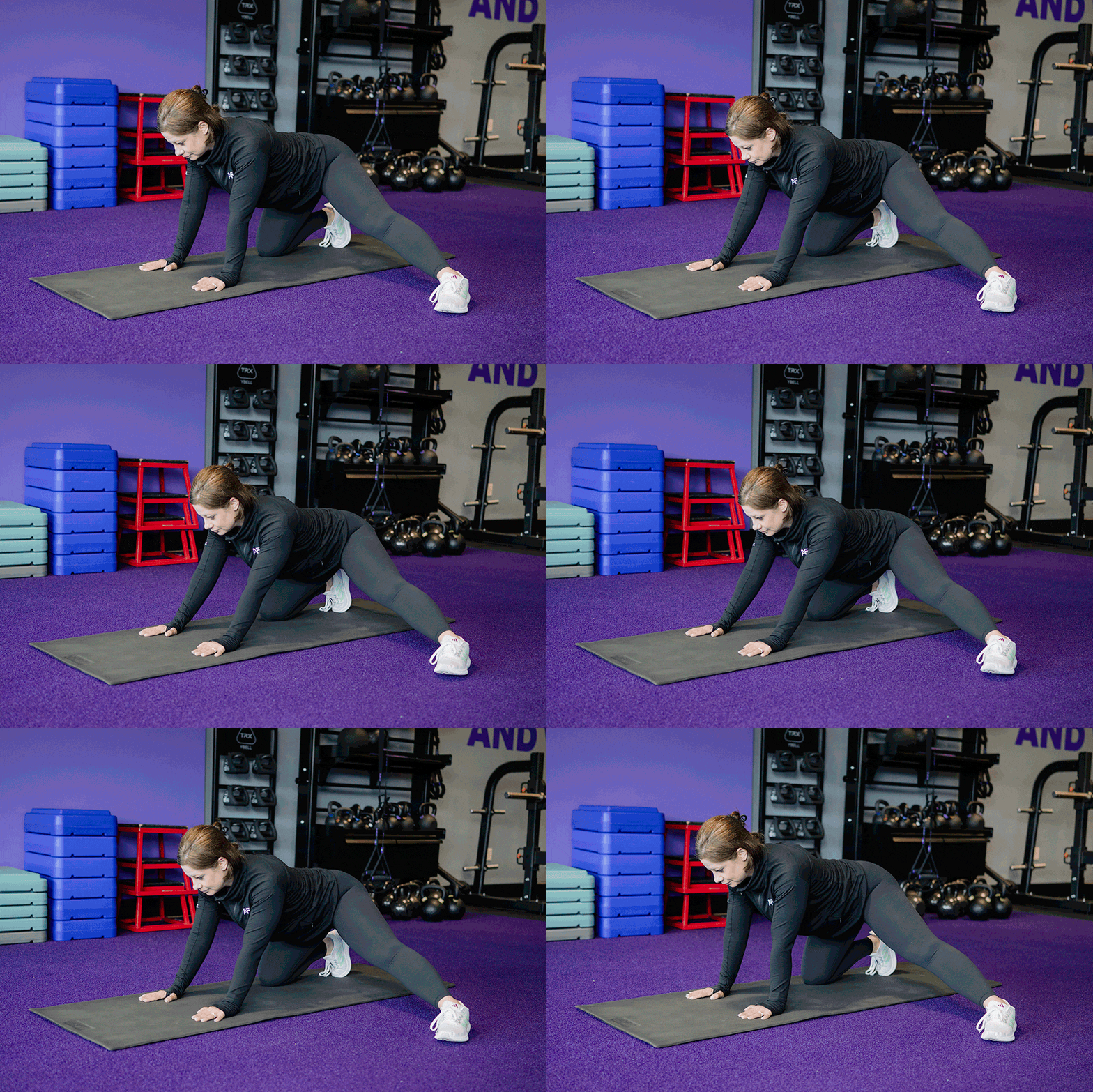
How to:
- Start in a quadruped (tabletop) position with your wrists stacked under your shoulders and knees stacked under your hips.
- Keep your abs braced and ribs pulled downward. Your head should be in line with the rest of your spine.
- Extend one leg out to the side with your foot flat on the ground.
- Push your hips back until you feel a stretch in your inner thigh.
Pro tip: Get a deeper stretch by reaching your arm overhead (use the arm that’s on the same side as your extended leg). This will help stretch your lower back at the same time.
Static vs. dynamic stretching: The choice is yours
Ultimately, dynamic and static stretching are key to improving flexibility and preparing your body for exercise. An effective flexibility training routine includes both types, helping to improve your athletic performance, form, and of course, results.
Listen to what your body needs most. If you need to relax overly active and tight muscles, static stretching is the way to go, while focusing on dynamic stretching prepares your muscles for specific movements and gets your blood flowing. Finally, you don’t need us to remind you but we’ll say it anyway: never skip your warm-up!
More ways to max out your results
- Maintain Strength: Take Rest Days for Muscle Growth
- The Best Muscle-Building Diet to Fuel Your Growth
- Muscular Endurance Exercises to Train Better, Longer
- The 8 Rear Delt Exercises Your Workout Is Missing
- Why a Fitness Consultation Is the Health Hack Your Body Needs
Hungry for more? Head to our blog for expert nutrition advice to fuel your fitness routine.
.jpeg)