


Move over, protein — there’s a hot new nutrient on the scene: fiber. (Okay…fiber isn’t new, but it sure is getting the VIP treatment lately!) If your algorithm has been feeding you endless “fibermaxxing” content and high-protein, high-fiber meals, there’s a good reason: Only 7% of Americans are meeting their daily fiber needs. That’s a big deal, because fiber is an essential part of a healthy diet that helps you perform and feel your best, in and out of the gym.
Let’s talk about why fiber is so much more than a food trend — and how to get more of it in your diet for steady energy and digestion.
What is fiber, exactly?
Fiber is a type of carbohydrate that the body can’t digest. While most carbohydrates are broken down for energy, fiber passes through your digestive system without being turned into sugar molecules. This aids in digestion, keeps hunger cues in check, and helps regulate blood sugar levels. There are two types of fiber — soluble and insoluble — and each serves a unique purpose (more on these later!).
Why is fiber important?
So, why is fiber in the spotlight right now? I’ve spent more than 20 years in the fitness industry, and I’ve watched nutrition trends swing from low-fat to low-carb to high-protein, and everything in between. But fiber has quietly remained one of the most under-consumed — yet most impactful — nutrients. Fiber has always been important; what’s changed is the science and general awareness.
We now understand that fiber isn’t just about digestion. It plays a powerful role in blood sugar regulation, cholesterol management, appetite control, and even how the gut microbiome supports fat loss, immunity, and inflammation. With the rise of GLP-1 medications and continuous glucose monitors, people are seeing how fiber stabilizes energy, reduces cravings, and improves body composition outcomes in real time.
At the same time, ultraprocessed foods still dominate modern diets. For example: High-protein bars can be effective for meeting your daily protein needs, but they often lack adequate fiber levels, leaving daily intake far below what’s recommended. (If you’ve ever struggled with digestive upset and bloating, too much protein with a lack of fiber could be why!)
Fiber has become the “newest” nutrition lever to feel better, manage weight, and improve long-term health — and it deserves a permanent spot in your diet!
How much fiber do you need?
In general, the recommended daily fiber intake for adults is 25 to 30 grams per day. However, it’s estimated that the average daily fiber intake for U.S. adults is only about 14 grams. (Remember, only 7% of Americans are meeting the recommended fiber levels!)
If you’re upping your fiber intake, start slow. Consuming too much fiber at once — or increasing your daily intake too quickly — can lead to unpleasant digestive issues. Instead of doubling your fiber intake in one day, try increasing your intake by a few grams each day to work your way up to the recommended amount.
Note: If you have specific fitness goals like improving your overall strength or reducing your body fat percentage, aim for the higher end of the recommended range to aid in energy and satiety.
The benefits of a high-fiber diet
Of course, fiber is known for aiding digestion, but the benefits don’t end there. Eating a high-fiber diet can also support your health and fitness goals, helping you feel your best day to day. Here are some unexpected benefits of adding more fiber to your diet:
1. Improved overall health
Research from the National Library of Medicine has shown that high fiber intake helps reduce the risk of developing certain chronic diseases like cardiovascular disease, stroke, type 2 diabetes, colorectal cancer, and diverticular disease. It’s also associated with a 15%-16% reduced risk of all-cause mortality among people who consume high levels of fiber (25-29 grams per day) compared with those who consume lower levels.
2. Support for strength training
High-fiber diets support strength training, too. Adequate fiber intake can help boost energy levels because our bodies break it down into short-chain fatty acids. This allows you to lift heavier and longer in the gym.
Research has also shown that higher fiber intake is associated with increased muscle mass and skeletal strength in adults aged 40 and older. It’s also been linked to increased handgrip strength, an indicator of longevity.
3. Support for fat loss and weight loss
Fiber also plays an important role when it comes to fat loss and weight loss. One of the key reasons: Fiber contributes to feelings of satiety and fullness. This is especially helpful when you’re in a calorie deficit for fat loss. The science supports this, too — high-fiber diets are associated with significant reductions in obesity risk.
Does this mean it’s time to get off the high-protein meal train?
Not necessarily! Protein is — and always will be — an essential macronutrient. In fact, adding fiber to the mix creates a dynamic nutritional duo. Here are a few examples:
When eating a high-protein diet, I personally find the chicken and pork can become bland after a while, so fruit chutneys are a welcome addition.
Salads with beans and lentils instead of meat are refreshing.
Warm oatmeal topped with fresh fruit and chia seeds tastes amazing on a weekend morning after cold protein shakes on the go all week.
Combining high-protein, high-fiber foods is a surefire way to fuel your body for workouts and the demands of daily life (think: carrying heavy groceries, playing with your kids, or tackling that dreaded flight of stairs at the office).
High-fiber pantry staples for energy and satiety
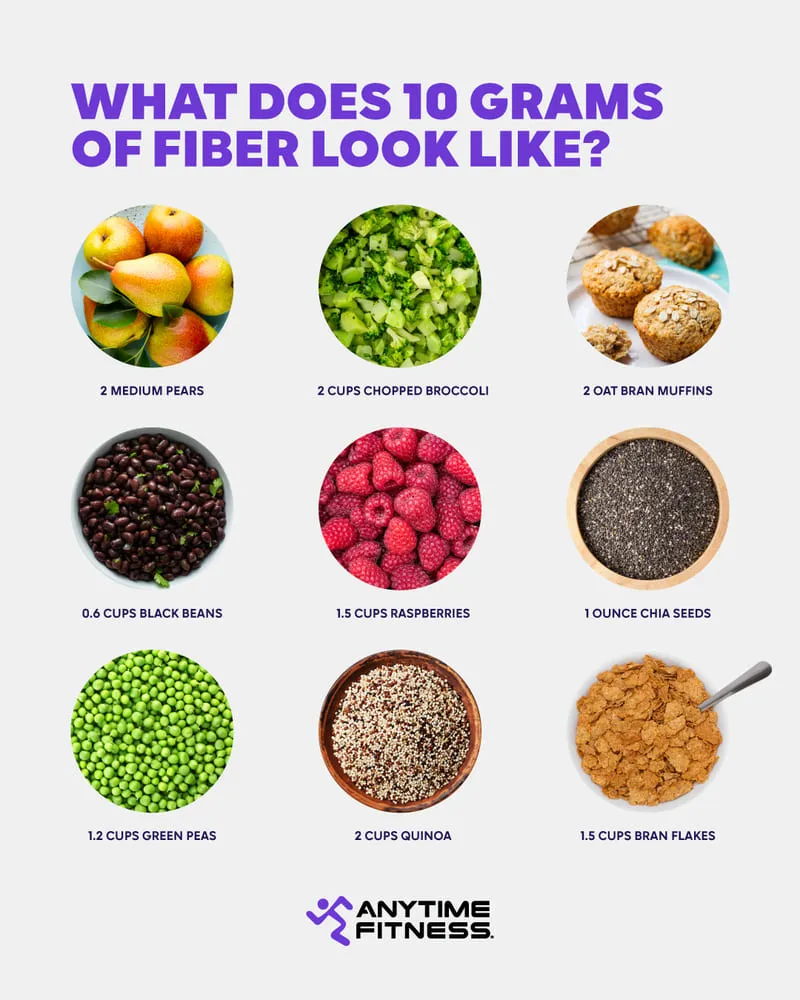
Keep these high-fiber foods on heavy rotation for steady energy and fullness:
- Chia seeds: 10 grams of fiber per serving
- Lentils: 15.5 grams of fiber per serving
- Black beans: 15 grams of fiber per serving
- Whole wheat pasta: 6 grams of fiber per serving
- Canned pears (in water): 5.5 grams of fiber per serving
- Oatmeal (steel cut or instant): 4 grams of fiber per serving
- Canned green peas: 9 grams of fiber per serving
- Almonds: 3.5 grams of fiber per serving
Quality vs. quantity: Breaking down the types of fiber
The type of fiber you’re consuming is just as important as the quantity. There are two main types of fiber:
Soluble fiber
- Mixes with water and slows digestion.
- Associated with decreased risk of heart disease, decreased cholesterol levels, and improved blood sugar control.
- Sources include oats, beans, fruits, lentils, avocados, and chia seeds.
Insoluble fiber
- Does not dissolve in water.
- Adds bulk to stool to promote healthy digestion and regularity.
- Sources include whole grains, nuts, seeds, fruit skins, and vegetables like cauliflower or potatoes.
Soluble and insoluble fiber work together to regulate your digestive system. Too much or too little of either type of fiber can lead to digestive upset or constipation, so aim for a mix of both in your diet.
The source of fiber also matters: Evidence suggests that plant-based, fiber-rich diets deliver greater protection against chronic disease than synthetic fiber that’s added to food and beverages (think: probiotic sodas, fiber supplements).
Sample plan: A day of high-fiber, high-protein meals
So, a high-fiber, high-protein diet is essential to athletic performance, steady energy, and overall body function — but what does a realistic meal plan look like? Here’s a sample day of high-protein, high-fiber meals.
Breakfast: Vanilla protein overnight oats

Start your day with a high-protein breakfast that will keep you satisfied and energized with 38 grams of protein.
Pro tip: For an extra fiber boost, add 2 tablespoons of chia seeds to your oatmeal mixture.
Lunch: Creamy buffalo chicken salad bowl

Our buffalo chicken salad packs in 30 grams of protein and a healthy dose of fiber from veggies like carrots and bell peppers. The best part: Salads are customizable, so you can always toss in some extra topping for a fiber boost. (I suggest chickpeas, black beans, or a grain like quinoa!)
Dinner: Slow-cooker raspberry chipotle pork tenderloin
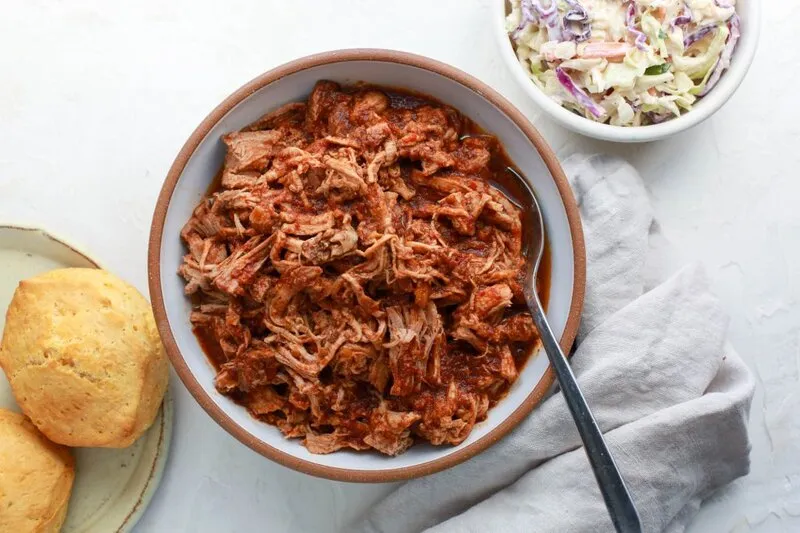
Finish the day with 29 grams of protein and a touch of sweet heat (and fiber) from the sauce, which combines sugar-free raspberry preserves and chipotle peppers.
Toss some southwestern coleslaw on the side for an extra helping of veggie-based fiber.
Bonus: Try these high-protein, high-fiber recipes
- Sweet and Spicy Breakfast Hash
- 5-Ingredient BBQ Black Bean Burgers
- Jalapeño Popper Bean Soup
- White Chocolate Raspberry Protein Oats
- Build-Your-Own Grain Bowl
- Easy Slow-Cooker White Chicken Chili
Add fiber to fuel every wellness goal
Given all its benefits, it’s safe to say I’m filing fibermaxxing under the category: “propaganda I’m falling for.” Over more than two decades of Coaching, I’ve seen that clients who increase fiber almost always report better digestion, less bloating, more consistent energy, fewer cravings, and easier fat loss.
That’s no coincidence. A healthier gut helps regulate appetite hormones, improves nutrient absorption, and communicates more effectively with the brain about hunger and fullness. This also translates to better performance, bigger lifts, and more endurance in the gym.
If you’ve been thinking about eating more fiber, start slow and work your way up. You’ll feel the difference in your energy levels, mood, and performance.
More nutrition resources for you
- How to Add More Protein to Your Diet: Smart Snack Hacks
- Eating Before or After a Workout: The Strategy for Max Energy
- Bulk Better: Here's How Much Protein You Need For Muscle Growth
- What Are Micronutrients? The Hidden Keys to Strength and Performance
When it comes to energy and performance, nutrition is just one piece of the puzzle. Recovery is just as important as your diet and training split — learn how to recover after a workout for optimal results.